
 (02) 9726 4491
Why Do Seniors Need Specialised Post-Surgery Therapy?

Clinically reviewed by Matthew Calabrese, Physiotherapist · Australian Health Practitioner Regulation Agency (AHPRA). This article is general information, not a substitute for an individual assessment.
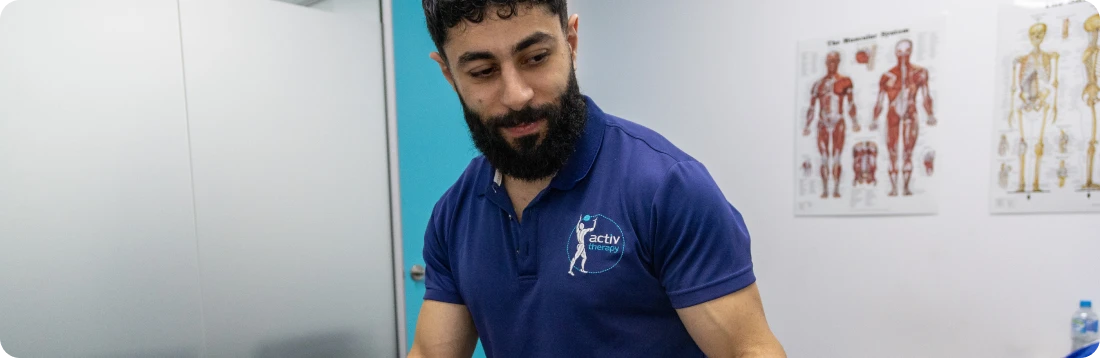
Post-surgical recovery presents distinct challenges for older adults. Seniors experience natural physiological changes that significantly impact healing processes and rehabilitation timelines. Their bodies respond differently to surgical interventions than younger patients, necessitating specialised therapeutic approaches. Medical professionals must consider age-related factors including decreased tissue elasticity, compromised cardiovascular function, and medication sensitivities when developing recovery plans. These tailored interventions address not only physical healing but also the complex interplay between cognitive function, environmental factors, and independence—elements critical to successful outcomes.
Age-Related Physiological Changes Affecting Recovery
As individuals age, their bodies undergo numerous physiological changes that significantly impact post-surgical recovery trajectories.
Seniors experience decreased cellular regeneration, resulting in slower wound healing and extended recovery periods. Their cardiovascular system shows reduced efficiency, limiting oxygen delivery to healing tissues.
Muscle atrophy accelerates after age 65, with seniors losing 1-2% of muscle mass yearly. This decline compromises strength needed for rehabilitation exercises and increases fall risk during recovery.
Joint stiffness, another common age-related condition, restricts mobility and complicates physical therapy protocols.
Metabolic changes affect medication processing, potentially altering pain management effectiveness. Seniors also experience diminished immune function, elevating infection risks at surgical sites.
Bone density reduction increases fracture susceptibility during rehabilitation activities.
These physiological changes necessitate specialised therapeutic approaches that accommodate slower healing timelines while preventing complications like pressure ulcers, respiratory issues, and prolonged immobility that can lead to further functional decline.
At Physiotherapy Macquarie Fields, seniors can benefit from personalised physiotherapy services that address age-related conditions such as osteoarthritis and chronic pain.
Unique Mobility Challenges and Fall Prevention Strategies
(Note: This title remains the same in Australian English as it uses standard English terms that are consistent across both variants.)
Seniors recovering from surgery face distinctive mobility challenges that extend beyond typical rehabilitation concerns. Post-operative pain, medication side effects, and existing age-related conditions often compound mobility limitations, significantly increasing fall risks during recovery.
Effective interventions must address these unique challenges through comprehensive assessment and personalised strategies. Balance training exercises targeting proprioception and core stability help seniors regain confidence in movement while improving postural control. These exercises progressively challenge patients from seated positions to more complex standing activities.
Proper selection and instruction in mobility aids represent another critical component of post-surgical care. Physiotherapists must evaluate which devices—whether walkers, walking sticks, or gait belts—best accommodate individual limitations while promoting independence.
Equally important is ensuring the home environment supports safe mobility through modification recommendations like removing tripping hazards, installing grab rails, and reorganising living spaces to minimise unnecessary movement during early recovery phases.
At Activ Therapy Liverpool, seniors can receive specialised rehabilitation through exercise rehabilitation techniques delivered by experienced physiotherapists who focus on hands-on therapy approaches.
Medication Management and Pain Control Considerations
Effective medication management and pain control represent foundational elements of successful post-operative recovery for older adults. Seniors often take multiple medicines for chronic conditions, creating complex scenarios where new post-surgical prescriptions may cause adverse medicine interactions.
Healthcare providers must conduct thorough medicine reconciliation to prevent potentially dangerous combinations.
Pain assessment in older adults presents unique challenges, as many seniors underreport discomfort or exhibit atypical pain responses. Clinicians should employ age-appropriate pain scales and observe behavioural indicators when verbal communication proves inadequate.
Additionally, seniors metabolise medicines differently, often requiring adjusted dosages to achieve therapeutic effects while minimising side effects.
The risk of cognitive side effects from pain medicines increases substantially in this population. Specialised therapy programs balance pharmaceutical interventions with non-pharmacological approaches such as physiotherapy, heat/cold therapy, and relaxation techniques.
This comprehensive strategy optimises recovery while reducing medicine-related complications that could otherwise extend hospital stays or precipitate readmissions.
Adapting Exercise Protocols for Compromised Strength and Balance
Designing post-surgical exercise protocols for older adults requires careful consideration of their diminished strength reserves and balance limitations. Physical therapists must implement progressive exercise modifications that account for age-related physiological changes while addressing the specific surgical intervention outcomes.
When working with seniors, physiotherapists typically begin with seated exercises before advancing to standing activities, ensuring proper support mechanisms are available. Balance exercises are introduced gradually, often utilising assistive devices initially before transitioning to independent movement. The intensity and duration of rehabilitation sessions are carefully calibrated to prevent fatigue and potential setbacks.
Unlike younger populations, older adults may require extended recovery periods between sessions, with exercises broken into shorter segments throughout the day. Rehabilitation professionals must also consider comorbidities such as osteoporosis, arthritis, or cardiovascular conditions when designing protocols.
Regular reassessment allows for timely adjustments to accommodate the sometimes unpredictable recovery trajectories common in geriatric patients. At Activ Therapy Moorebank, seniors can benefit from one-to-one rehabilitation programs specifically tailored to their post-surgical needs and limitations.
Social Support and Home Environment Modifications for Healing
The physical aspects of rehabilitation represent only one dimension of post-surgical recovery for older adults. Equally crucial is the network of social support and appropriately modified living spaces that facilitate healing.
Studies consistently demonstrate that seniors with regular social interaction during recovery show improved outcomes, reduced depression rates, and better adherence to rehabilitation protocols.
Home safety modifications serve as essential preventive measures against setbacks in recovery. These adjustments might include installing grip rails in bathrooms, removing trip hazards like loose rugs, improving lighting in passageways, and reorganising frequently used items to avoid overreaching or bending.
A comprehensive home assessment by an occupational therapist can identify potential hazards and recommend customised solutions.
Family members and carers should be integrated into the recovery plan, receiving proper training on assistance techniques that promote independence whilst ensuring safety during the vulnerable healing period.
Conclusion
Specialised post-surgery therapy for seniors addresses their unique physiological vulnerabilities, mobility challenges, and medication considerations. By adapting exercise protocols, implementing fall prevention strategies, and modifying home environments, healthcare providers create recovery pathways that accommodate age-related limitations. This tailored approach not only optimises healing outcomes but enables older adults to regain independence and quality of life despite the natural challenges of ageing.
Ready to Get Help?
Book an appointment with one of our experienced Physiotherapy professionals across South West Sydney.
Book an AppointmentMedical Disclaimer
This article is intended for general informational and educational purposes only. It does not constitute medical advice and is not a substitute for professional diagnosis, treatment, or advice from a qualified healthcare provider. Always consult a registered physiotherapist, chiropractor, or other appropriate healthcare professional before starting any new treatment or exercise programme.