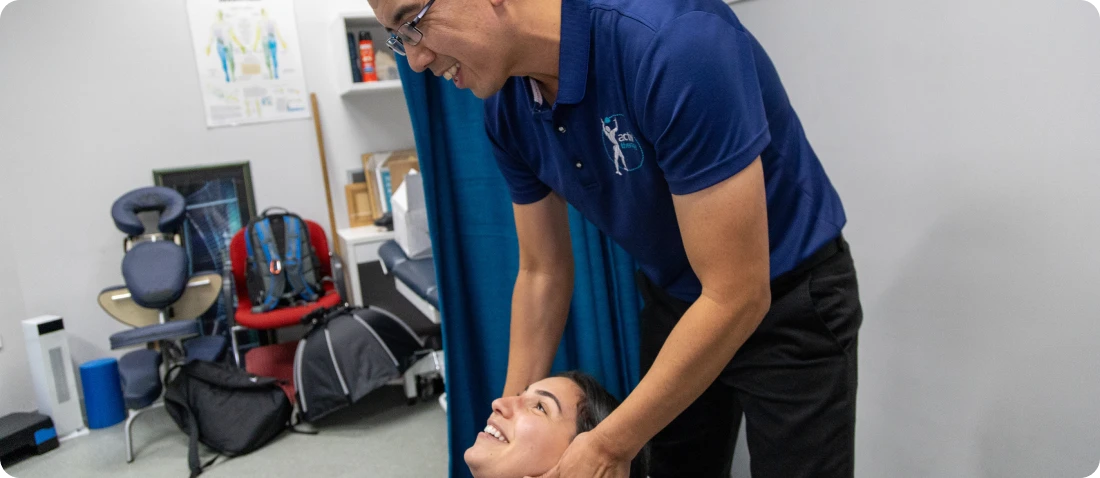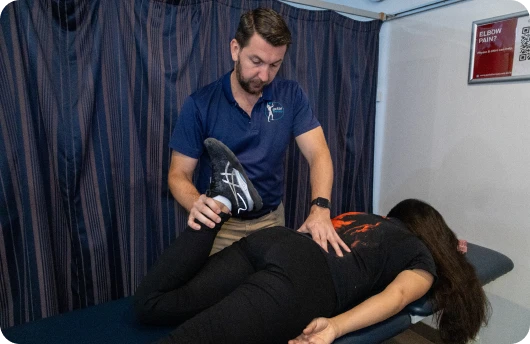

Myofascial Release Techniques: 7 Steps for Pain Relief
Chronic pain and muscle tightness can significantly impact your quality of life. These seven myofascial release techniques offer a proven pathway to relief and improved mobility.
15 July 2026
Evidence-based health advice, exercise guides, and clinical insights from Activ Therapy's team of physiotherapists, chiropractors, and allied health professionals.
Chronic pain and muscle tightness can significantly impact your quality of life. These seven myofascial release techniques offer a proven pathway to relief and improved mobility.
15 July 2026
Home-based physiotherapy allows seniors to receive expert care in their most comfortable environment. Learn about seven essential services that help elderly patients maintain independence and recover safely at home.
14 July 2026
Struggling with persistent dizziness or balance problems? Vestibular rehabilitation uses specialised physiotherapy techniques to retrain your brain and restore your balance.
13 July 2026
Living with a herniated disc doesn't mean avoiding core training altogether. With the right approach, strengthening your deep abdominal muscles can actually support your spine and reduce pain.
12 July 2026
Single leg balance is a fundamental skill that affects everything from daily activities to athletic performance. These seven targeted exercises will help you build rock-solid stability and reduce your fall risk.
11 July 2026
Understanding the various types of physiotherapy can help you choose the most effective treatment for your specific condition. From manual therapy to exercise prescription, each approach offers unique benefits.
10 July 2026
Fascia release techniques target the connective tissue network throughout your body to reduce pain, improve mobility, and restore function. Understanding how these methods work can transform your approach to chronic discomfort.
9 July 2026
Understanding the difference between chiro and physio can feel confusing when you're dealing with pain or injury. This guide breaks down each profession's unique approach to help you make the right choice.
30 June 2026
Dry needling is a powerful therapeutic technique that targets muscle tension and pain at its source. If you're searching for dry needling near me, understanding what happens during treatment can help you feel confident about your first session.
30 June 2026
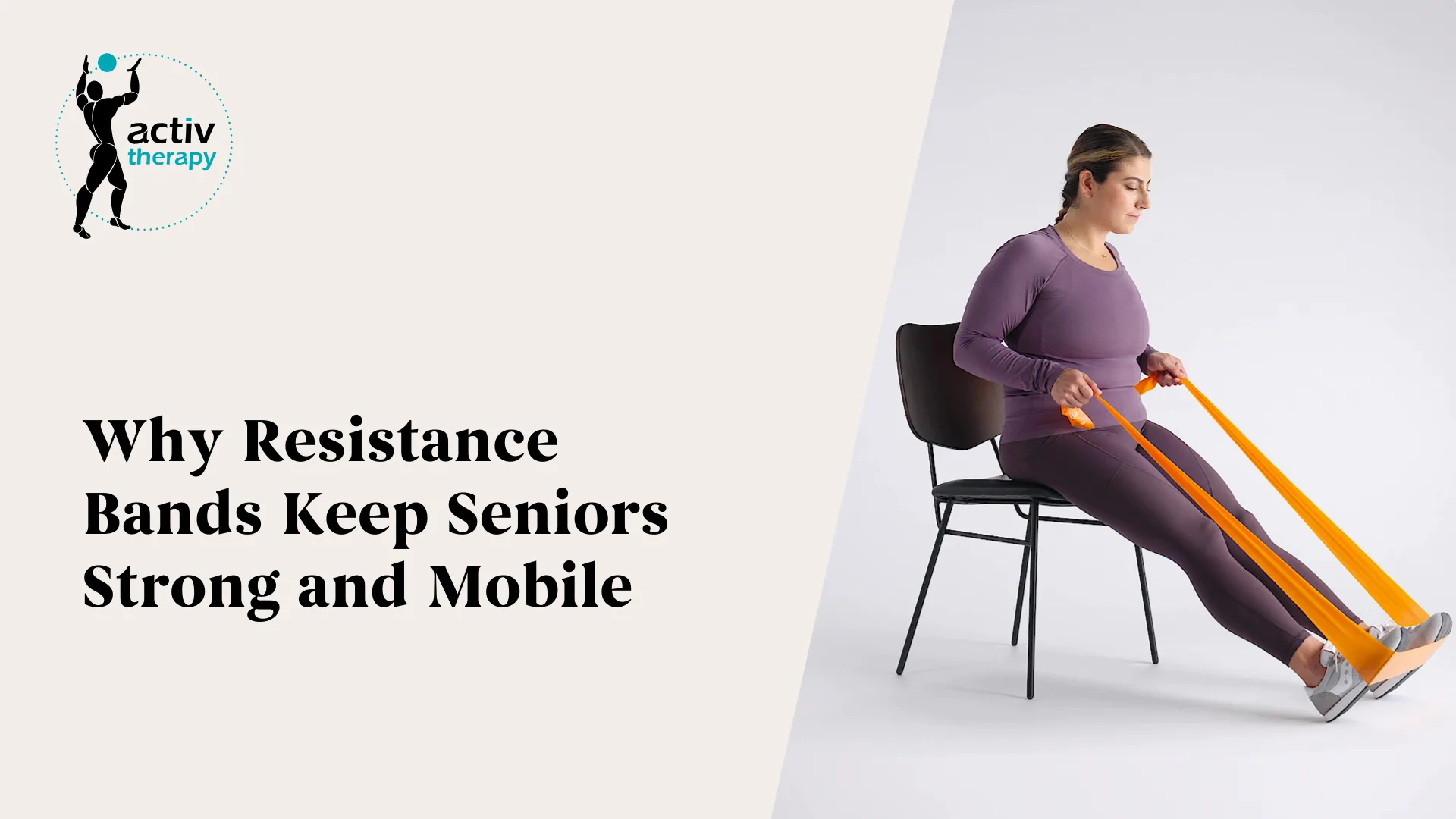
Living with a herniated disc can be debilitating, but the right exercises can significantly reduce pain and improve function. Learn the most effective movements recommended by physiotherapy experts.
29 June 2026
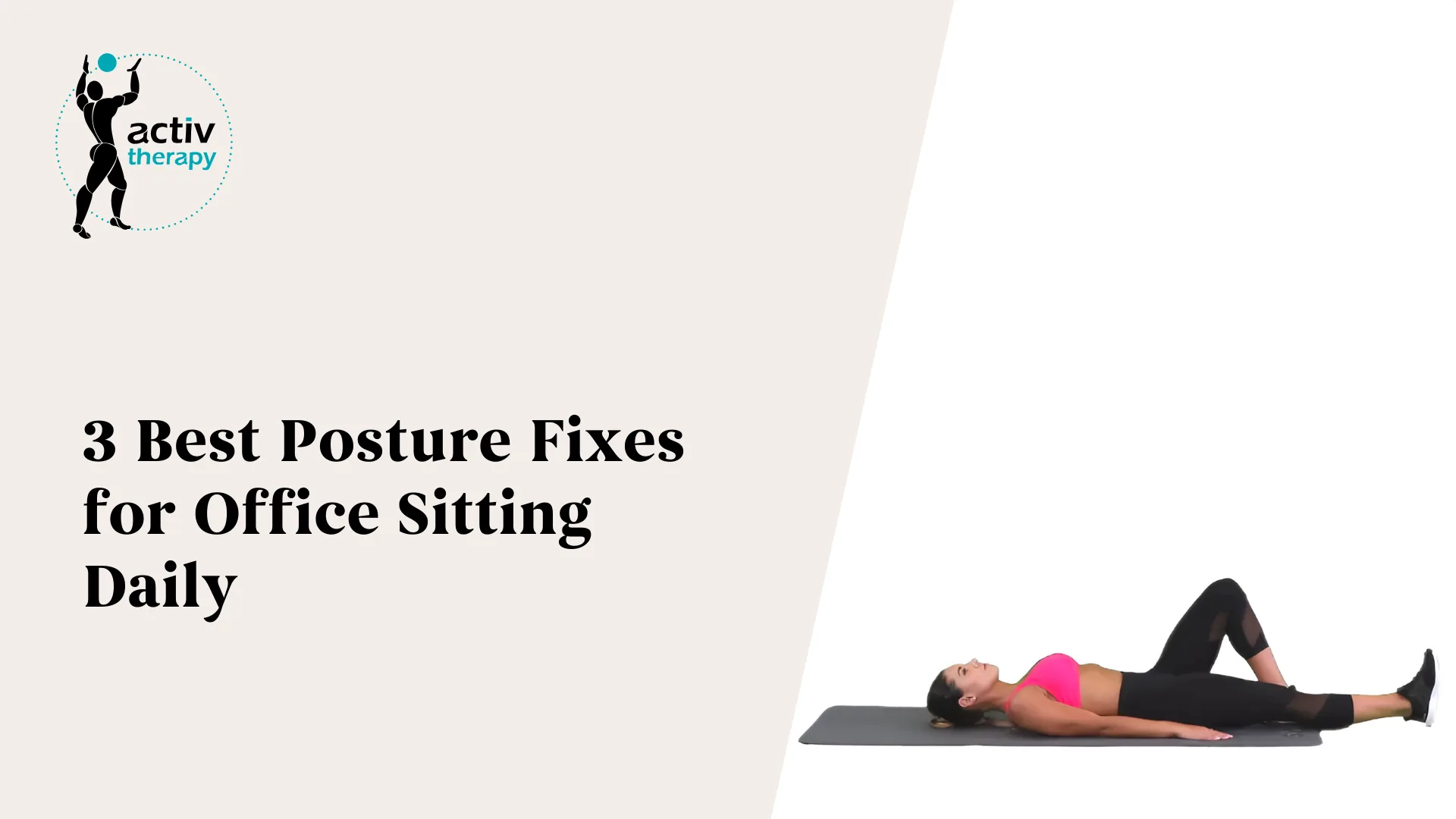
Recovery after knee replacement surgery depends heavily on the right exercises performed at the right time. These seven critical movements form the foundation of successful total knee replacement rehab.
29 June 2026

Whether you're recovering from a rotator cuff tear or managing chronic shoulder pain, targeted exercises can accelerate healing and restore function. This guide provides seven essential steps to strengthen your shoulder safely and effectively.
28 June 2026
Living with vertigo can feel disorienting and frightening, but targeted vestibular exercises offer a proven path to recovery. These seven movements help retrain your inner ear and brain connection for lasting relief.
28 June 2026
Lower back pain affects millions of Australians each year. These seven physiotherapy-backed exercises provide targeted relief while strengthening the muscles that support your spine.
27 June 2026
Recovering from a concussion requires a structured, progressive approach that addresses vestibular, visual, and balance challenges. These evidence-based exercises can help you safely regain function and return to normal activities.
27 June 2026
Spending hours looking down at screens can lead to forward head posture, causing neck pain and stiffness. These seven targeted exercises help reverse tech neck and restore proper alignment.
26 June 2026
Living with shoulder arthritis doesn't mean surrendering to constant pain. These seven physiotherapist-approved exercises can help you regain mobility, reduce discomfort, and improve your quality of life.
25 June 2026
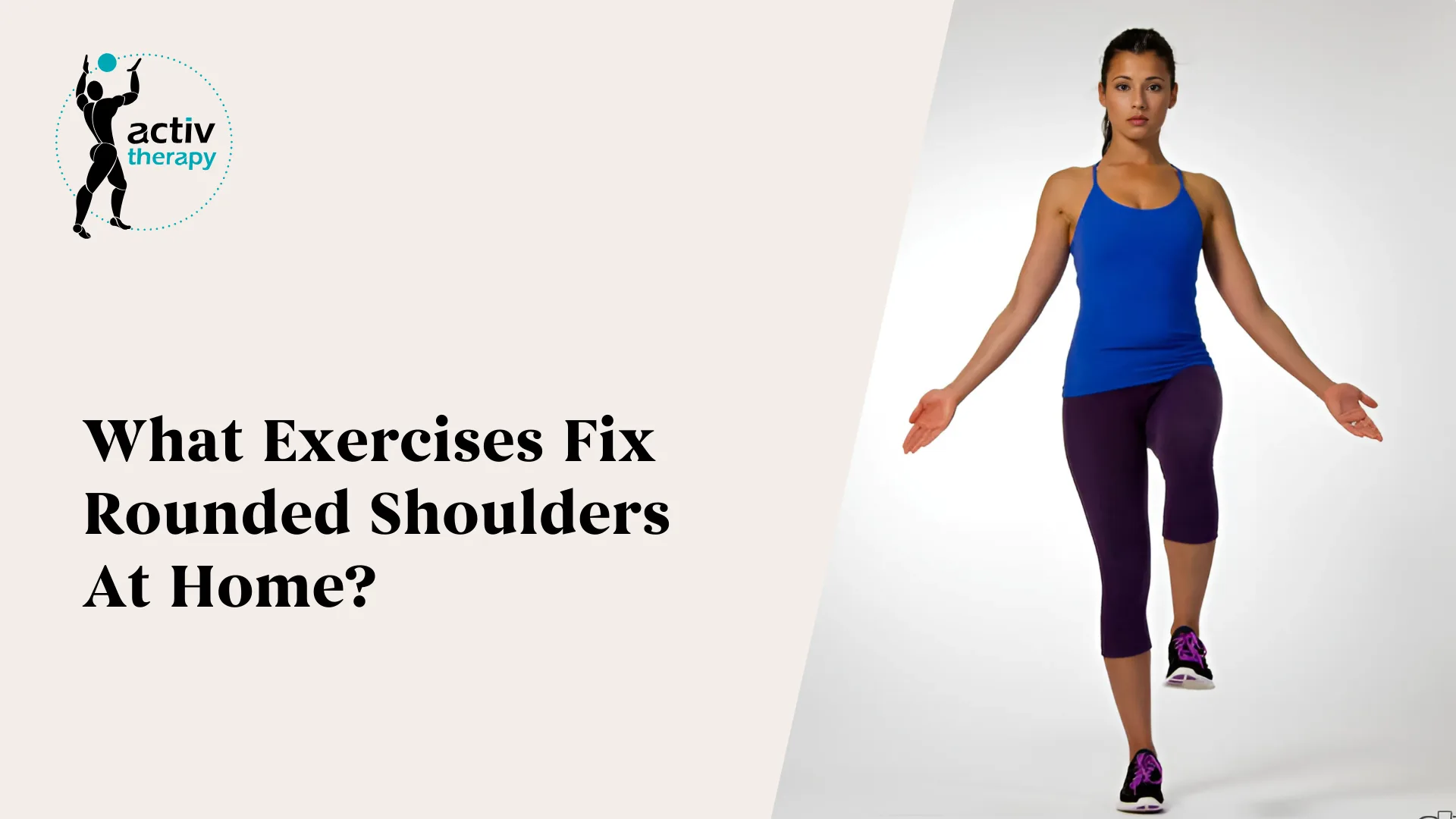
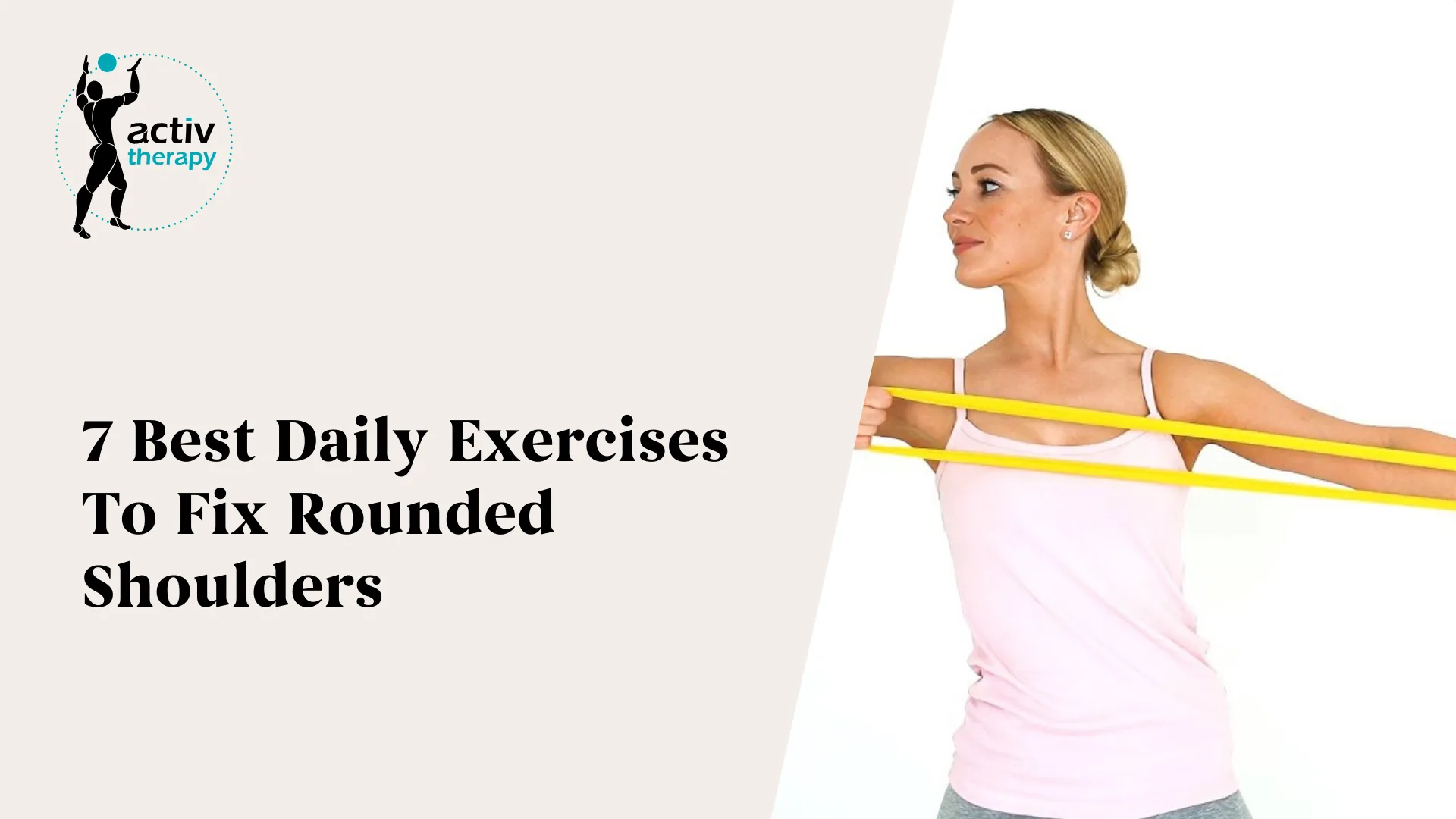
Rounded shoulders affect millions of desk workers and can lead to chronic pain and reduced mobility. These seven physiotherapy-approved exercises will help you restore proper shoulder alignment and improve your posture.
25 June 2026
Lower back pain affects millions of Australians daily, but the right stretching routine can make a significant difference. These seven physiotherapy-approved moves target the lumbar region to ease tension and restore mobility.
24 June 2026
Limited hip mobility can impact your daily activities and increase injury risk. These seven physiotherapy-approved hip mobility exercises will help you restore flexibility and move with greater ease.
24 June 2026
Struggling with dizziness or balance problems? These five evidence-based vestibular rehabilitation exercises can help restore your equilibrium and reduce vertigo symptoms.
23 June 2026

Soft tissue manipulation is a targeted manual therapy technique that addresses muscle tension, injury, and restricted movement. Understanding how it works can help you determine whether it's the right treatment approach for your condition.
19 May 2026

Strong lungs are essential for everyday activities, from climbing stairs to maintaining energy throughout the day. These seven breathing exercises can help you breathe easier and live better.
15 May 2026

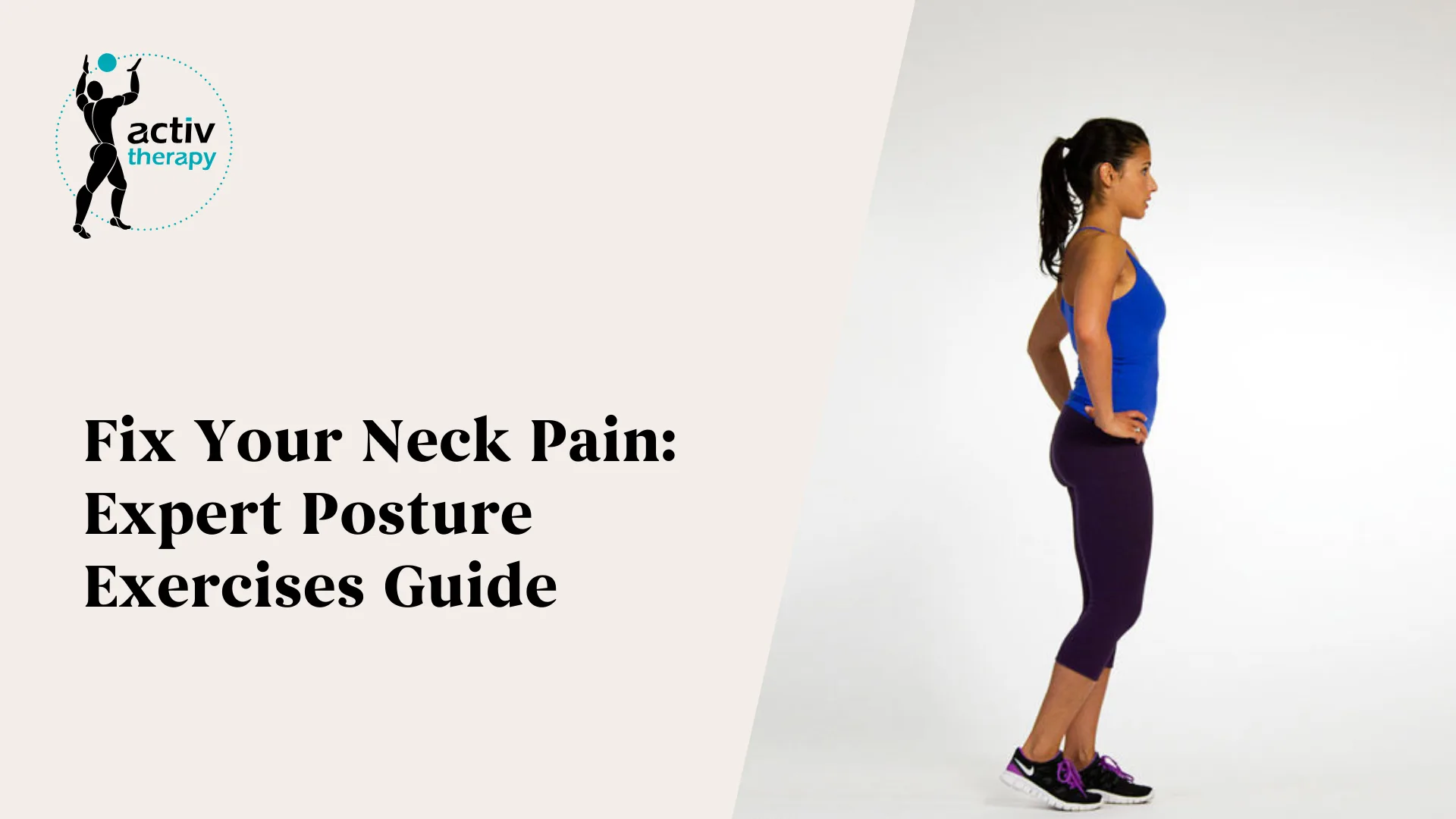
The root cause of chronic neck pain often lies in the habit of poor posture related to computer and mobile phone use. To alleviate pain and prevent future episodes, targeted posture exercises that strengthen critical muscle groups and restore spinal alignment are key. These include understanding, diagnosing and correcting forward head posture, chin tucks for neck stability, deep neck flexor training, upper back release and shoulder blade strengthening exercises. Daily corrective tips and fixes play a crucial role in maintaining proper neck posture and reducing discomfort.
8 May 2025

Chronic neck pain, impacting many office workers, can be mitigated by addressing its root cause: poor posture. Adjustments to workspace ergonomics, standing posture alignment, tech device positioning, strategic movement breaks, daily stretching routines, upper back strengthening, and modifying sleep positions can help. Combining these practices with physiotherapy or manual therapy techniques can alleviate neck discomfort and improve overall comfort.
7 May 2025

Neck pain has become a widespread issue as many people spend their days in front of screens and maintain poor posture. It can develop into a chronic condition affecting overall quality of life. The root causes of neck discomfort can be addressed through correct posture and targeted exercises. A common cause is "text neck", occurring when the head shifts forward from its natural alignment, often because of extended screen time. Neck strengthening exercises and postural correction techniques can mitigate the impact of modern lifestyles on the neck. Regular movement, ergonomic adjustments, simple neck stretches, and consistent postural maintenance can substantially alleviate neck pain and prevent further postural issues.
6 May 2025

Rounded shoulders persist due to complex muscle imbalances, neurological adaptation, and reinforced postural habits that create a self-perpetuating cycle. Simply willing yourself to sit straighter cannot override chronically tight chest muscles and weakened upper back muscles. Effective correction demands targeted stretching protocols, progressive strengthening exercises, and consistent postural retraining to rewire established movement patterns. Professional physiotherapy assessment identifies specific muscular imbalances and provides evidence-based treatment strategies for lasting shoulder alignment improvements.
5 May 2025

Rounded shoulders, increasingly common due to prolonged use of digital devices and desk jobs, can lead to pain and mobility issues if unaddressed. However, postural correction can be achieved through home-based exercises and lifestyle changes. It's crucial to stretch the chest and anterior shoulder muscles while strengthening the back muscles. Additional strategies include daily posture assessment, targeted stretching, strength training focussing on upper back muscles, optimising sleep positioning and ergonomic workspace setup. These efforts should ideally be combined with professional guidance.
4 May 2025

Rounded shoulders pose health risks such as chronic pain and reduced mobility and are a common problem amongst office workers who predominantly sit at desks. By incorporating specific corrective exercises and stretches into daily routines, and maintaining proper shoulder alignment, posture can be improved and long-term health impacts can be avoided. Strategies include: assessment of posture, muscle imbalances and shoulder mobility; targeting key muscles with chest opening stretches and upper back strengthening moves; ensuring proper neck alignment; and adopting healthy movement habits.
3 May 2025

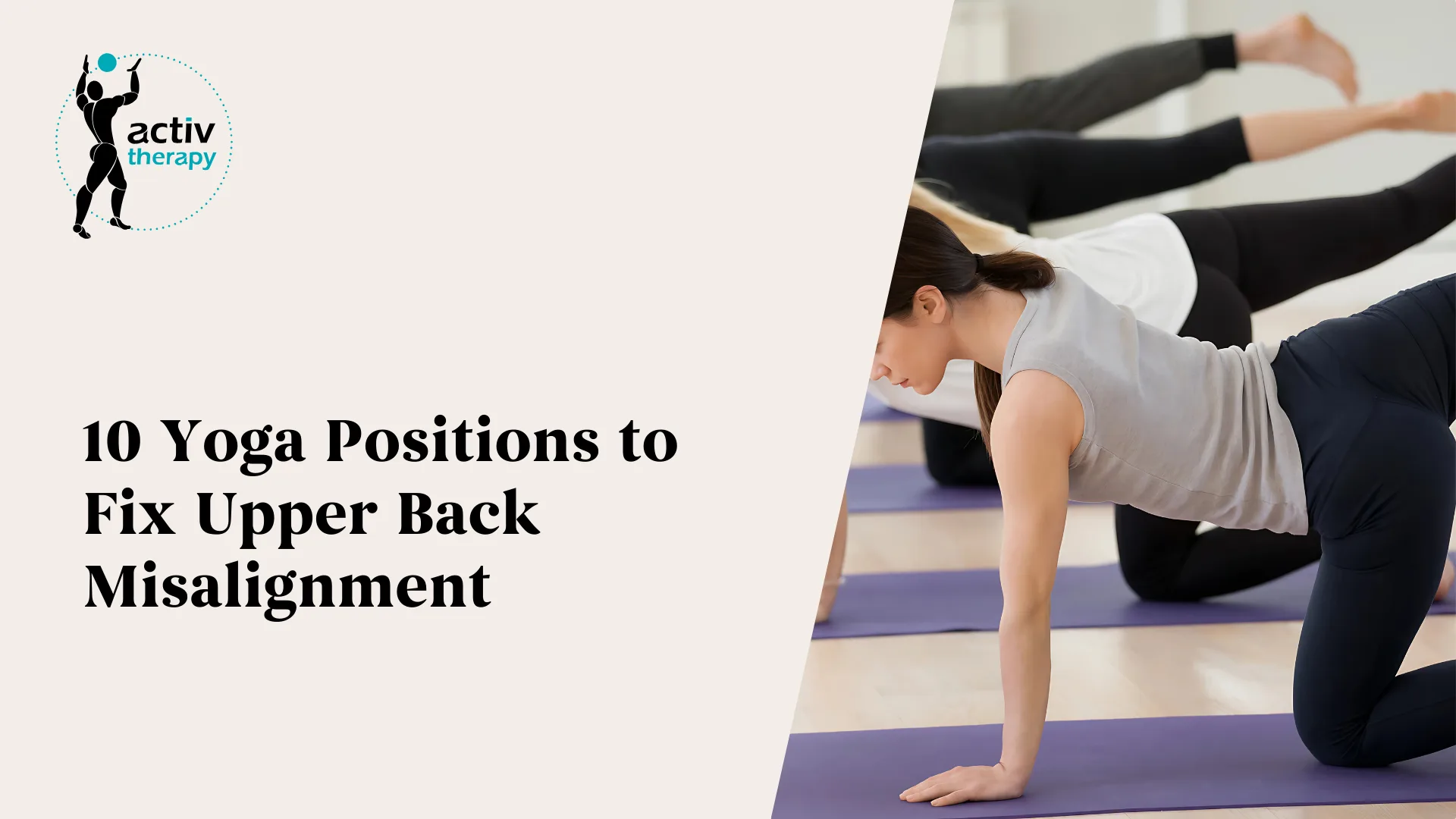
Yoga poses and exercises can provide lasting relief and correction for upper back misalignment commonly caused by desk work, poor posture, and sedentary lifestyles. Focusing on thoracic spine mobility, postural awareness, and muscle tension release, the posed solutions include the Seated Shoulder Release, Cat-Cow Flow Sequence, Thread the Needle Pose, and Bridge Pose Variations. These exercises, complemented by professional physiotherapy guidance, are effective in treating and preventing upper back misalignment.
2 May 2025

Upper back misalignment affects many and leads to discomfort and restricted mobility. However, yoga offers a solution. This sequence targets muscles, fascia, and joints, providing immediate relief and long-term structural benefits. A proper upper back alignment helps enhance breathing, posture, mood, and work productivity. Furthermore, this practice can reduce the risk of injuries during physical activities. By consistently practicing these yoga poses, one can improve posture and mitigate upper back tension.
1 May 2025

Regular yoga practice helps maintain spinal alignment and improve posture, a crucial aspect of overall health often overlooked in modern desk jobs. Key yoga poses, including Downward-Facing Dog, Sphinx Pose and Cat-Cow stretches, not only provide immediate relief but also long-term improvements in spinal health. Balanced with physiotherapist-guided exercises, these poses can reduce back pain, enhance mobility, and improve life quality.
30 April 2025

Forward head posture, a modern ailment linked to chronic neck pain and spinal problems, can be corrected by five daily stretches. The movements, demonstrated in an embedded YouTube video, focus on chin tucks against a wall, the upper trapezius side stretch, levator scapula release, chest corner stretch, and neck extension exercises. Consistent practise of these exercises can correct posture and alleviate discomfort.
29 April 2025

Forward head posture affects millions who spend hours hunched over screens, leading to chronic neck pain, headaches, and spinal issues. This comprehensive guide provides 7 proven daily exercises to correct forward head posture, strengthen key neck and upper back muscles, and restore proper alignment. Learn the exact techniques physiotherapists recommend to fix neck posture and eliminate associated pain.
28 April 2025

Office workers worldwide struggle with poor desk posture which causes chronic pain and reduces productivity. The seven exercises include correct positioning, desk ergonomics, neck and shoulder release, spinal alignment stretches, wrist and forearm mobility, lower body strength, core stability, support and dynamic breathing practices. By implementing these exercises daily, workers can improve posture, alleviate chronic pain, increase productivity, and enhance overall well-being.
27 April 2025

Maintaining proper posture in the digital workplace is challenging but key for physical wellbeing. Research shows incorporating exercises into daily routines reduces discomfort and builds postural awareness. Posture-related issues are prevalent in desk-bound jobs, often due to ergonomic misalignment. Addressing these issues with correct alignments, regular movement, and personalised exercise programmes can prevent injuries. Proper workspace setup, daily desk stretches, core strengthening exercises, and taking movement breaks can counteract the negative effects of prolonged sitting and promote better posture.
26 April 2025

Forward head posture, prevalent due to extended hunched over device use, causes chronic neck pain and reduced mobility. The condition is treatable with regular and proper neck stretching exercises, including chin tucks and levator scapulae stretches. It's crucial to maintain form, breathe correctly, and hold stretches long enough to be effective. Incorporating postural awareness in daily activities can also help maintain improvements.
25 April 2025

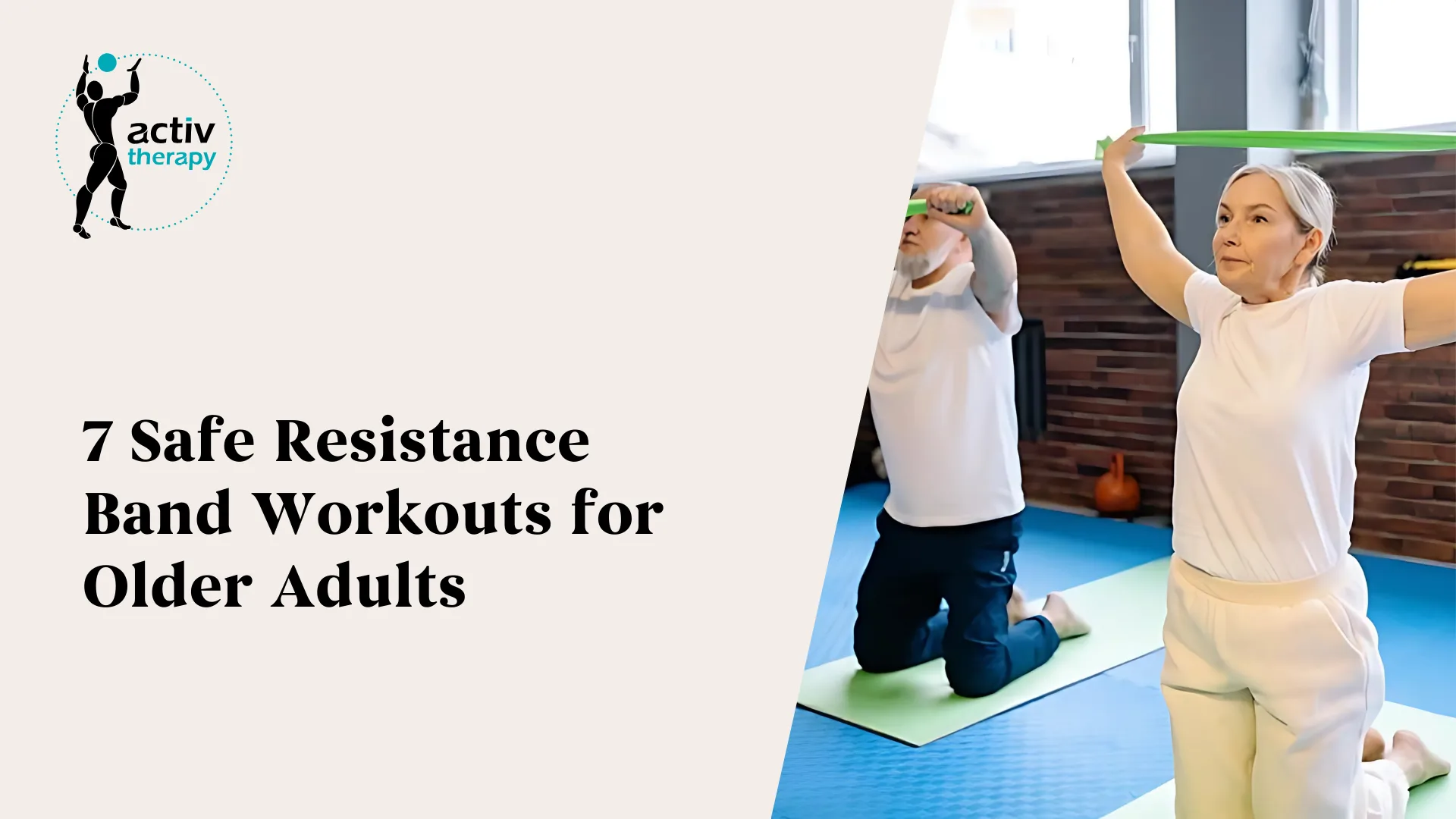
Resistance bands are becoming increasingly popular among seniors as they offer a gentle approach to strength training which maintains physical independence, protects ageing joints while building functional muscle, and reduces risk of injury. They offer versatile and varying levels of resistance, are portable, and can be used to specifically target muscle groups. They can improve balance and fall prevention, make daily movement easier, improve joint health and safety, and build core strength. They can be introduced into exercise routines gradually and allow seniors to perform exercises at their own pace.
24 April 2025

Poor posture at work can lead to discomfort and reduced productivity. Proper spine alignment, daily shoulder reset techniques, and workspace ergonomic adjustments can prevent neck strain, back pain, and shoulder tension. Consistency in these practices can make a significant difference in workers' health and productivity.
23 April 2025

Resistance bands are a valuable fitness tool for seniors, offering a low-impact way to maintain strength and mobility. These adjustable bands complement all fitness levels and can be used safely at home. They are versatile, targeting upper body, core, and lower body muscles. Regular training benefits include improved balance, posture, and functional fitness. Adequate rest and proper form are important for safe progression and maximizing effectiveness. When combined with professional guidance, resistance band exercises enhance seniors' independence and quality of life.
22 April 2025

Resistance band training allows older adults to maintain their independence by improving their strength, balance, and mobility. These workouts can combat age-related muscle loss and improve weight management without putting stress on ageing joints. Seniors should consult healthcare providers for personalized training programs and safety guidelines. These exercises contribute to seniors' quality of life by promoting independence in daily activities.
21 April 2025

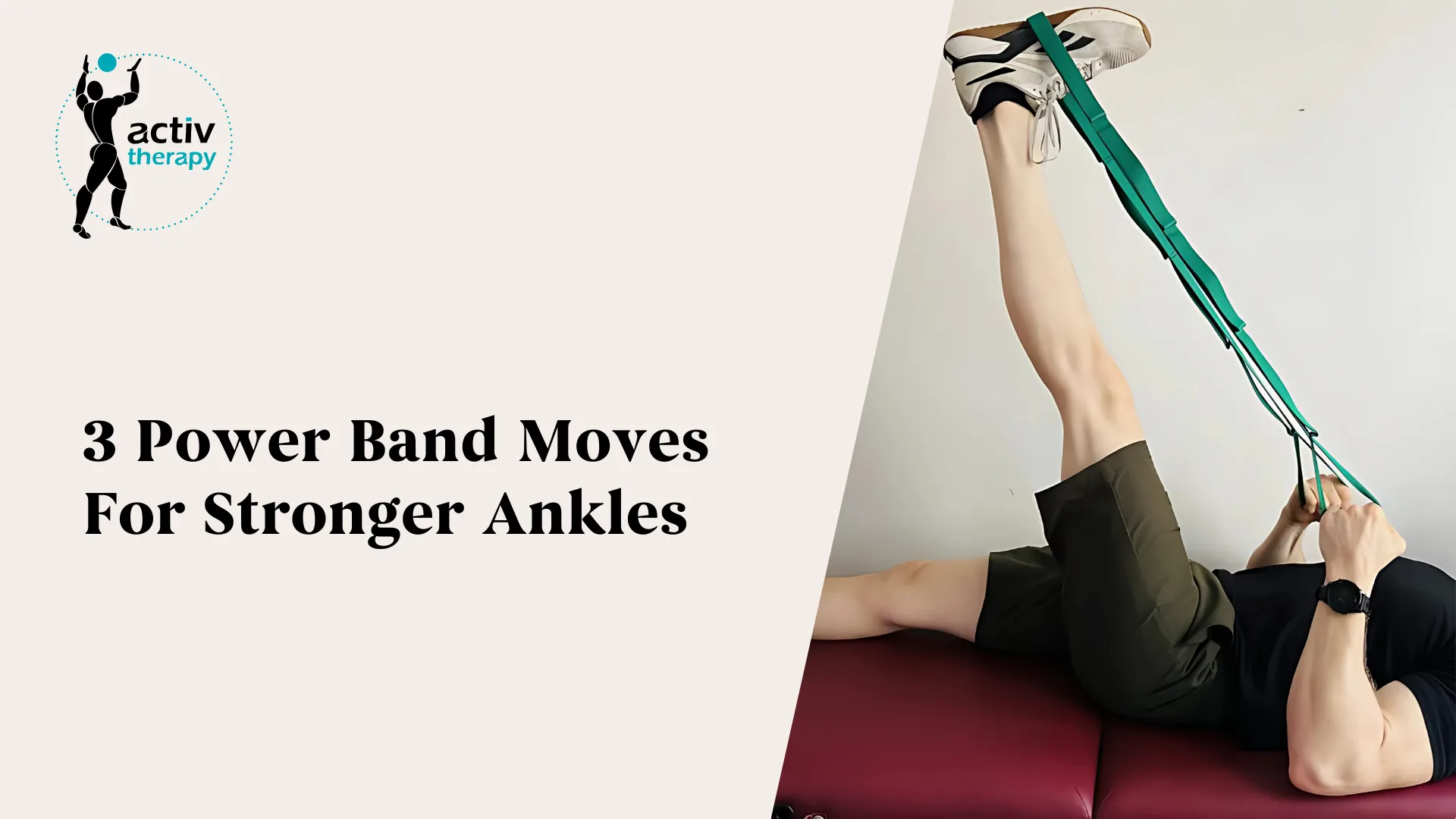
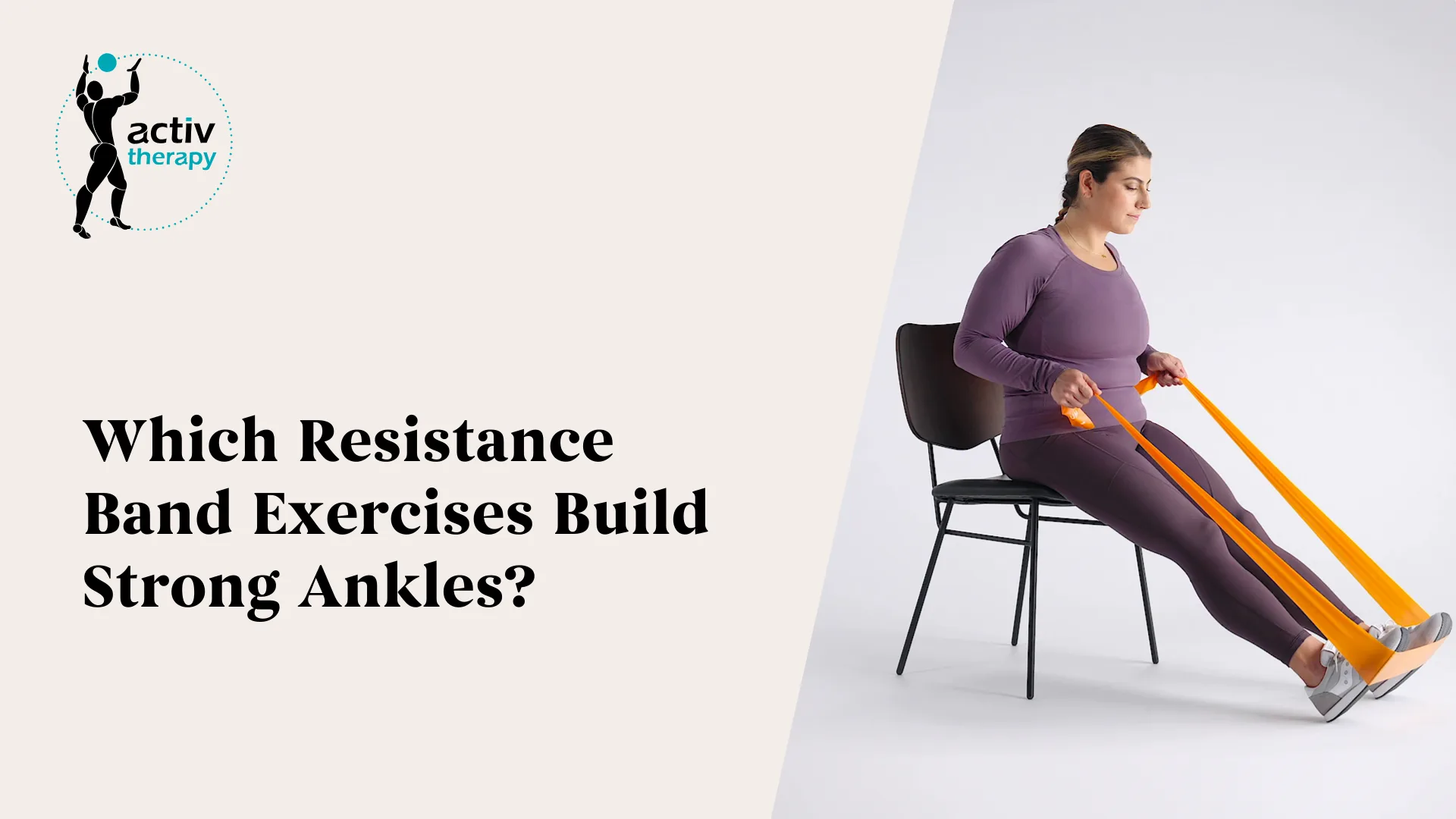
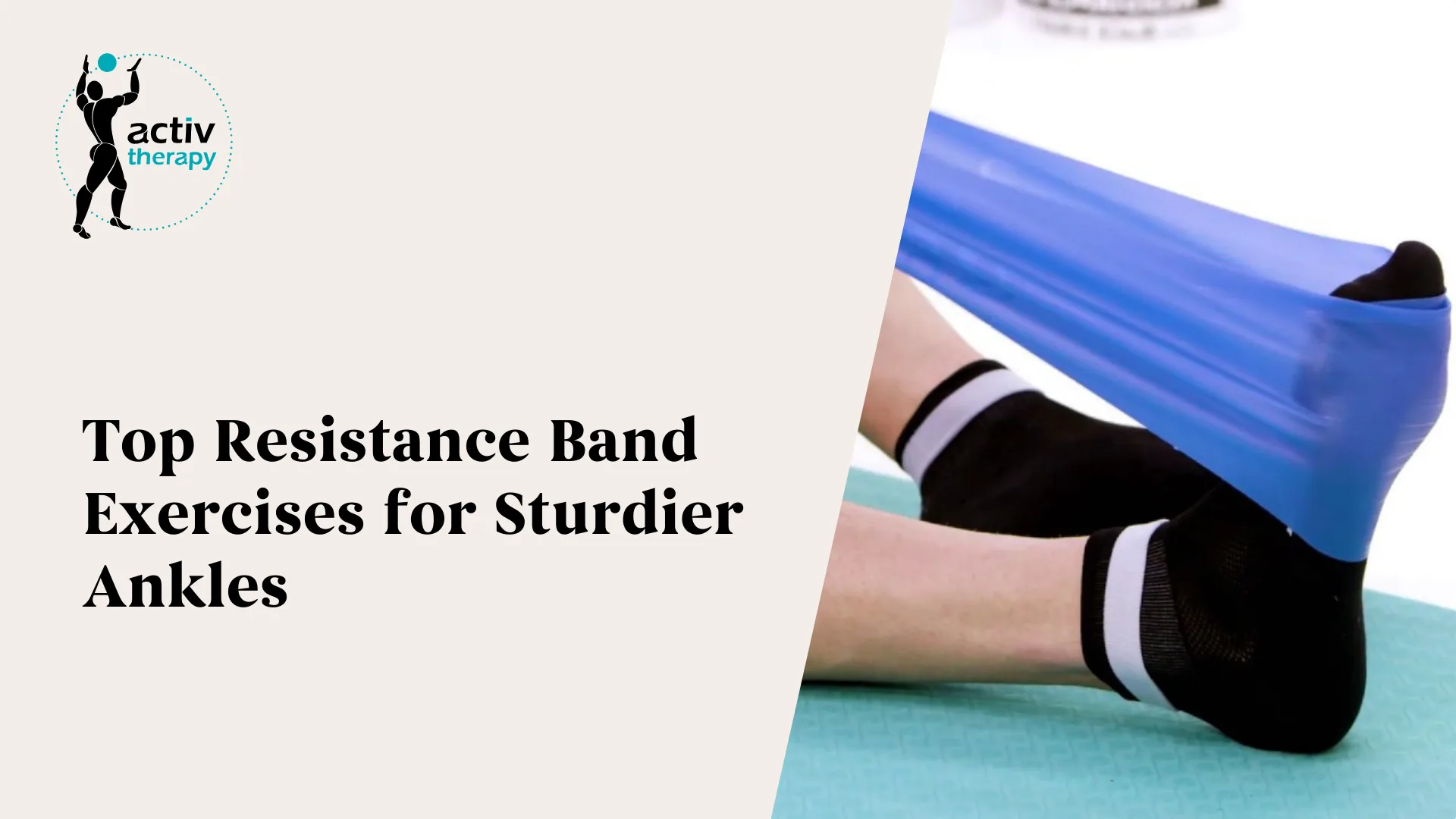
Strong, stable ankles are critical for athletic performance and everyday movement. Specific, focused training with resistance bands can develop ankle strength and reduce injury risk. Key exercises include plantar flexion, inversion, and rotational exercises. Advanced circular training further challenges stability and control. Regular practice, correct form, and gradual resistance increases can enhance stability and range of motion in the ankle complex.
20 April 2025

Improved ankle strength is vital for performance, balance, and joint health, but is often overlooked in workout routines. Resistance bands can be used to target and strengthen muscles and tendons in the ankles, transforming them into resilient supports. Training programmes should include focus on plantar flexion, dorsiflexion, inversion, and eversion movements. Regular assessments of strength and stability will ensure progress and identify areas needing further work.
19 April 2025

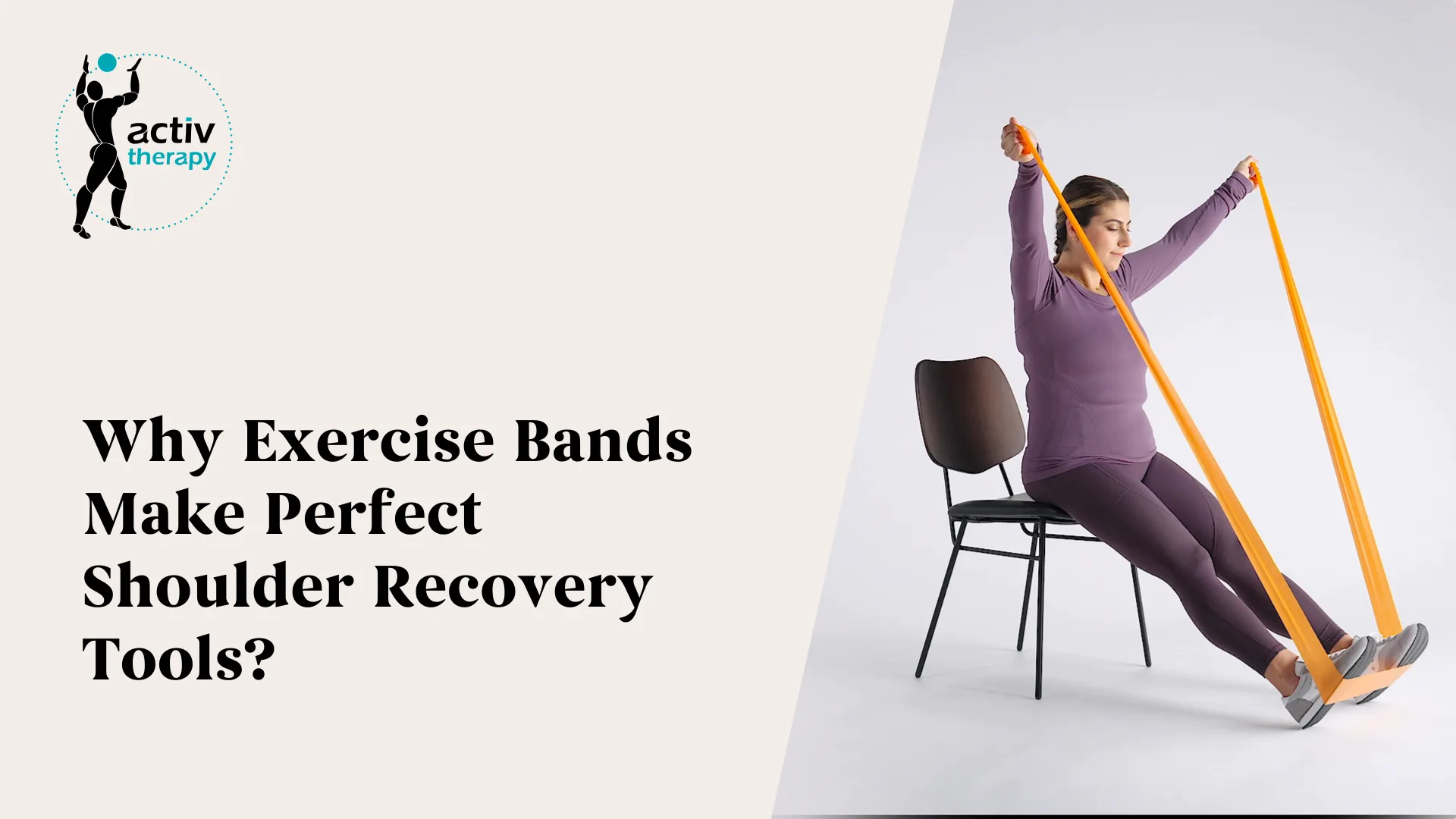
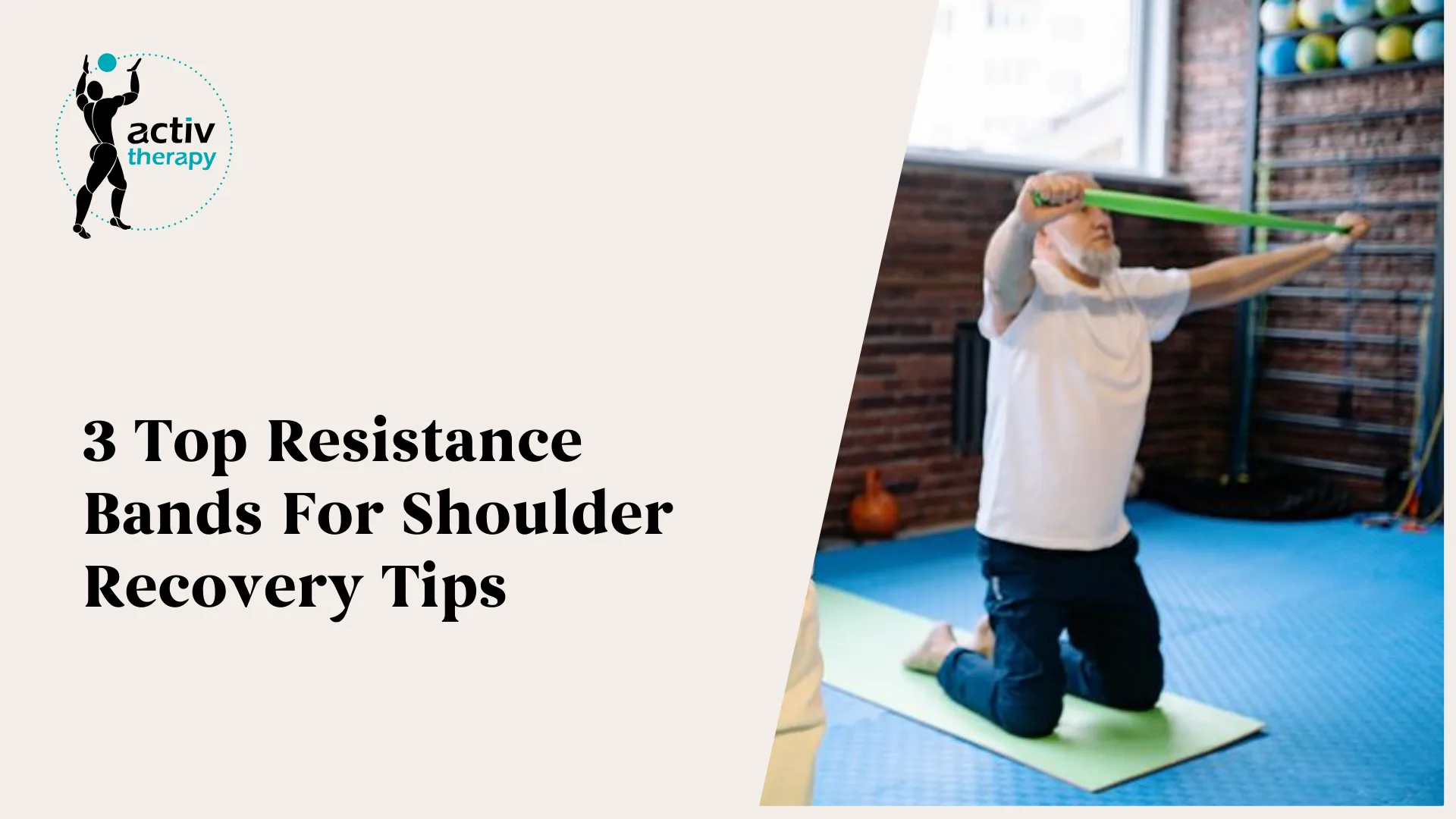
Exercise bands are essential tools for shoulder rehabilitation, providing variable resistance and specific muscle targeting. Selecting the right band strength can help maintain proper form and prevent muscle overexertion, with lighter bands typically used initially, increasing as strength improves. Safety instructions, correct setup, and monitoring recovery progress also play critical roles in effective rehabilitation. Integration of bands with professional therapy, avoiding common mistakes, and combining band exercises with regular physiotherapy can enhance and expedite recovery outcomes.
18 April 2025

Resistance bands are an effective tool for shoulder recovery when used correctly. Rehab professionals recommend starting with light bands, progressing to heavier ones as strength improves. Proper form maximizes effectiveness and prevents setbacks. Gradual resistance increase, strict attention to form, and a routine combining single-joint and multi-joint exercises are also important. Achieving effective recovery relies on balancing band strength, correct form and technique, and progressiveness.
17 April 2025

Resistance bands are essential tools in shoulder rehab, supporting natural movement patterns and aiding muscle recovery. Its effectiveness lies in choosing the correct resistance level and band suitable to one's shoulder condition. Experts recommend LIT AXIS smart resistance bands and Cacti Wellness The Bands for their innovative features and high-quality construction. Regular reassessment along with professional guidance is essential for effective usage and optimal recovery.
16 April 2025

Resistance band exercises are effective for enhancing ankle strength and stability, yet are often overlooked. By progressing from basic movements to advanced techniques, fitness enthusiasts can improve ankle resilience. Ensuring correct form, allowing adequate rest, and gradually increasing workout intensity are crucial for optimising results. These exercises can boost overall lower body performance and reduce injury risk.
15 April 2025

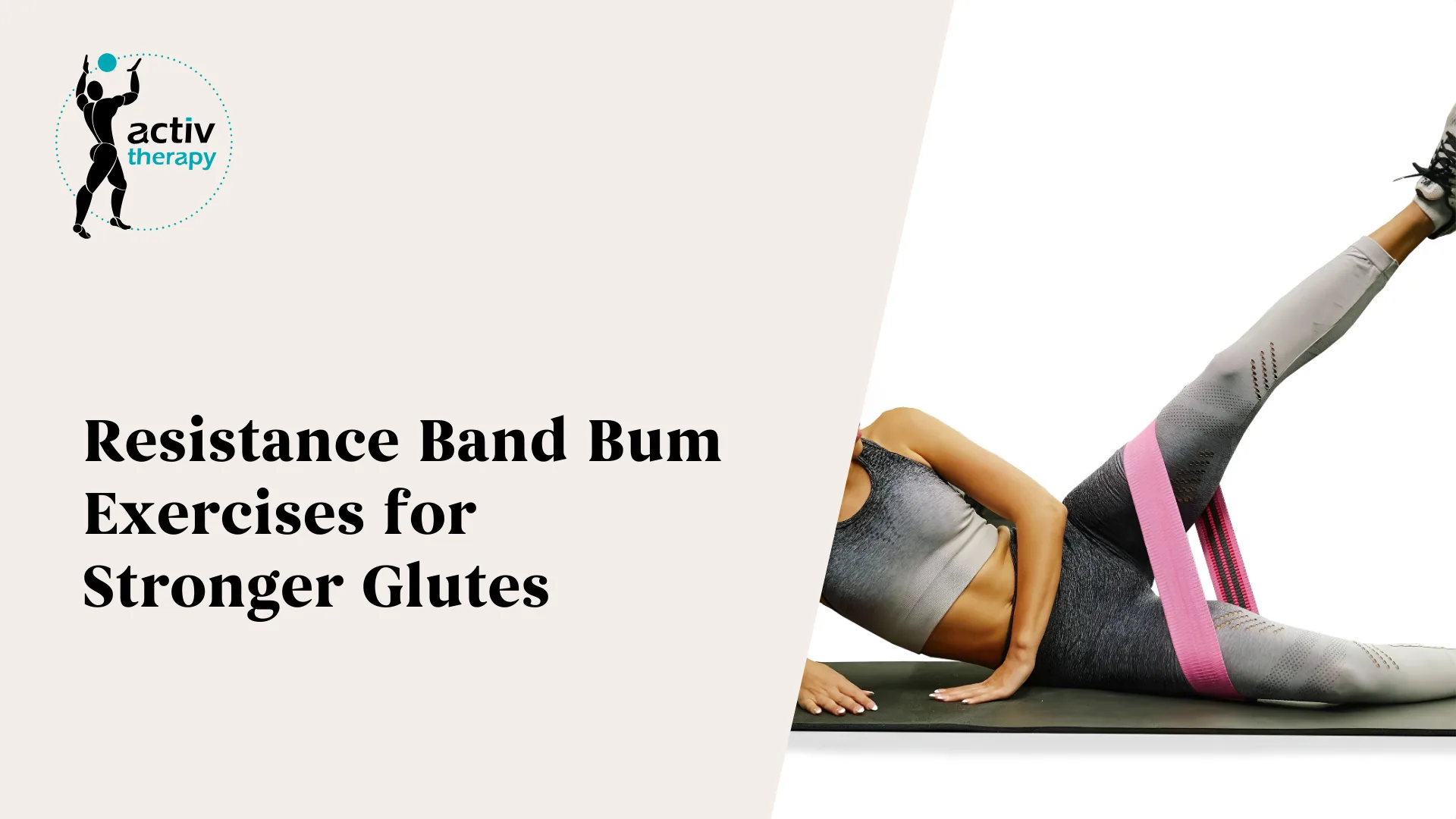
Resistance bands are an effective tool for developing stronger, functional glutes. They offer unique advantages like creating constant tension and targeting stabilising muscles. Understanding the anatomy of glute muscles is important for resistance band training. This form of training provides benefits such as constant tension, targeting stabilising muscles, and practicality. Choosing the right band, mastering exercise techniques, using progressive training methods and integrating recovery practices are key to optimising the benefits of resistance band training for glute development.
14 April 2025

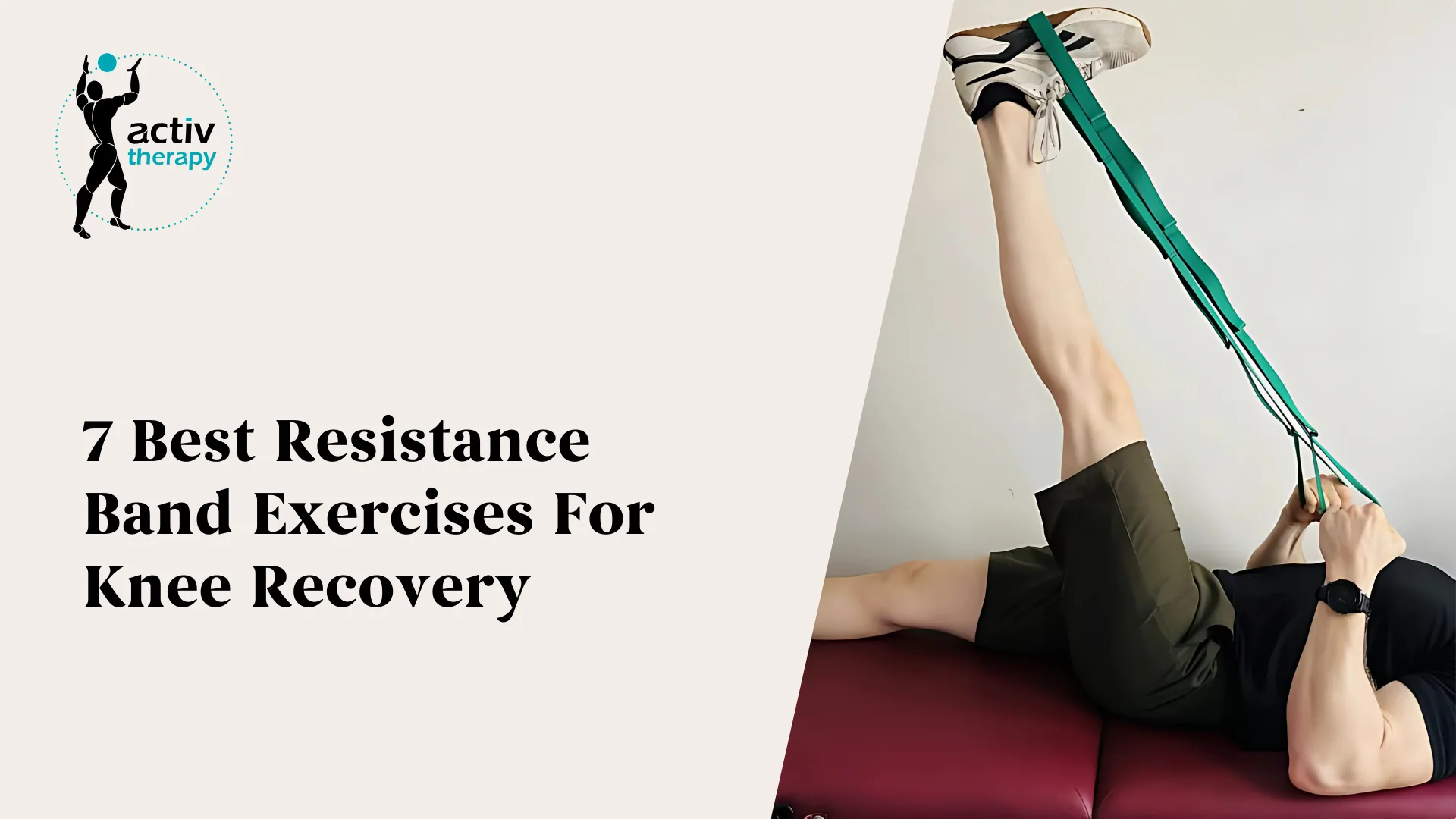
Resistance band exercises provide a safe and dynamic method for knee rehabilitation. Key exercises including seated leg extensions, standing hamstring curls, side-lying hip abductions, clamshell movements, terminal knee extensions, mini squats, and straight leg raises. These exercises target essential muscles and promote strength building, flexibility and improved knee function, creating a solid foundation for knee recovery.
13 April 2025

Resistance band training is an underappreciated method for developing hip power, a crucial factor of athletic performance. The flexible tension and multiplanar movement patterns it provides uniquely target hip dynamics. This, in combination with controlled resistance and functional movement, can enhance power, stability, and mobility. Regular resistance band training not only improves strength but also balances coordination, posture, and reduces back pain. When incorporated thoughtfully and progressively into athletic training, this approach can transform lower body strength and escalate athletic capabilities.
12 April 2025
Mon – Fri: 7:00am – 7:00pm
Saturday: 8:00am – 2:00pm
Available across all 13 South West Sydney clinics.