
Skip to content
Activ Therapy
← Blog/Dry Needling

Dry Needling Near Me: What to Expect & How It Helps

Paul Yu
Paul Yu
30 June 2026·7 min read
Dry Needling Near Me: What to Expect & How It Helps

If you're experiencing persistent muscle pain, tension, or mobility issues, you've likely searched for dry needling near me to find relief. This increasingly popular treatment technique has helped countless people overcome stubborn musculoskeletal problems that haven't responded to other therapies. Understanding what dry needling involves and how it can benefit your specific condition will help you make an informed decision about whether it's right for you.

What Is Dry Needling?

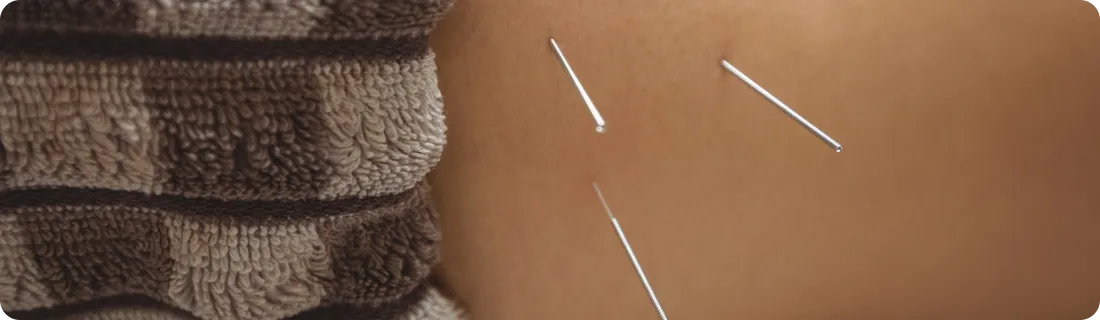
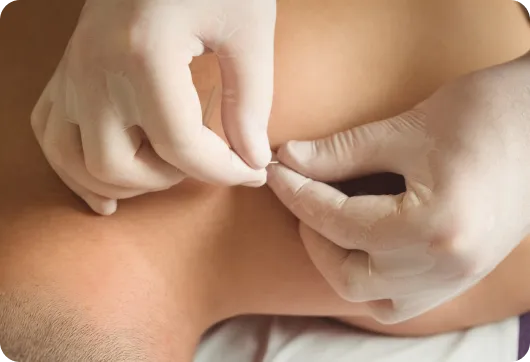
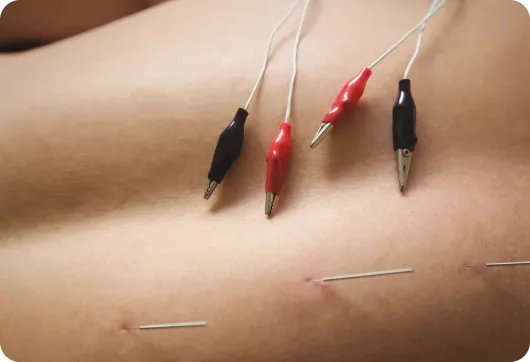
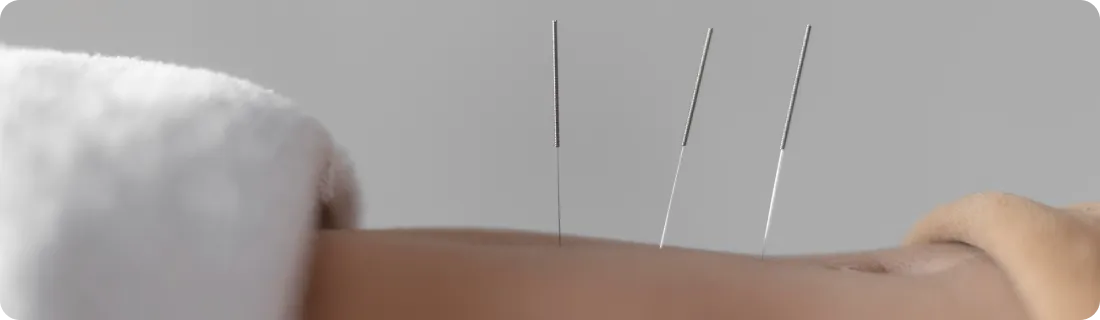
Dry needling is a therapeutic technique that uses thin, sterile needles to target trigger points—tight bands or knots within muscles that cause pain and restrict movement. Unlike injections, no medication is administered, which is why it's called "dry." The treatment works by stimulating the trigger point, which prompts the muscle to relax and initiates the body's natural healing response.

Physiotherapists and chiropractors who perform dry needling have specialised training in anatomy, muscle physiology, and precise needle placement. The technique is grounded in Western medicine principles and focuses specifically on musculoskeletal dysfunction. When combined with other manual therapy approaches like soft tissue manipulation, dry needling can produce remarkable results for pain relief and functional improvement.

Dry Needling vs Acupuncture: Understanding the Difference

Many people wonder about dry needling vs acupuncture since both use thin needles. However, these treatments are fundamentally different in philosophy, application, and goals. Acupuncture is rooted in Traditional Chinese Medicine and focuses on balancing energy flow (qi) along meridian pathways throughout the body. Dry needling, by contrast, is based on Western anatomical and neurophysiological principles.

The key differences include:

  • Target areas: Dry needling specifically targets myofascial trigger points, muscle tissue, and connective tissue, while acupuncture targets meridian points that may be anywhere on the body
  • Treatment philosophy: Dry needling addresses muscle dysfunction and pain, whereas acupuncture aims to balance energy flow and treat a broader range of conditions
  • Needle placement: Dry needling practitioners insert needles directly into tight muscle bands or trigger points based on anatomical knowledge
  • Professional training: Physiotherapists performing dry needling study musculoskeletal anatomy and dysfunction extensively

The Benefits of Dry Needling Therapy

Research and clinical experience have demonstrated numerous dry needling benefits for people dealing with various musculoskeletal conditions. The technique offers both immediate and cumulative effects that can transform how you move and feel.

Pain Reduction and Muscle Relaxation

Trigger point dry needling is particularly effective at reducing pain intensity. When the needle penetrates a trigger point, it causes a local twitch response—a brief, involuntary contraction that indicates the targeted muscle is releasing. This process decreases muscle tension, improves blood flow to the area, and reduces the chemical irritants that contribute to pain sensation.

Improved Range of Motion

Tight muscles restrict movement and can lead to compensatory patterns that stress other areas of your body. By releasing these restrictions, dry needling therapy helps restore normal movement patterns and flexibility. Many patients notice improved mobility immediately after treatment, though optimal results typically develop over several sessions. This improvement in movement quality is similar to the benefits achieved through targeted approaches for joint stiffness and pain relief.

Accelerated Recovery

Whether you're recovering from an injury, surgery, or dealing with chronic conditions, dry needling treatment can speed up the healing process. The technique stimulates increased blood flow and promotes the release of endorphins, your body's natural pain relievers. This enhanced circulation brings oxygen and nutrients to damaged tissues while removing metabolic waste products that can slow recovery.

Enhanced Performance

Athletes and active individuals often use dry needling as part of their performance optimisation strategy. By addressing muscle imbalances and reducing tension before it becomes problematic, the technique helps maintain peak physical condition and prevents injuries that could sideline training or competition.

What to Expect During Your First Dry Needling Session

When you search for "dry needling near me" and book your first appointment, knowing what to expect can ease any anxiety. Your practitioner will begin with a thorough assessment, including discussion of your symptoms, medical history, and treatment goals. They'll perform physical tests to identify specific trigger points and muscle dysfunction patterns contributing to your condition.

During the treatment itself, you'll be positioned comfortably while your practitioner identifies and marks the target areas. The needles used are much thinner than those for injections or blood draws—most people describe the insertion as a slight pinch or pressure. When the needle hits a trigger point, you may feel a brief cramping sensation or muscle twitch, which is actually a positive sign that the right spot has been reached.

Sessions typically last 20-30 minutes, though this varies based on the number of areas being treated. After needle removal, your practitioner may use other techniques to maximise results. Some people feel immediate relief, while others notice gradual improvement over the following days as inflammation decreases and muscles continue to relax.

Common Conditions Treated With Trigger Point Dry Needling

Dry needling effectively addresses a wide range of musculoskeletal conditions. Common problems that respond well to treatment include:

  • Chronic neck and shoulder pain
  • Lower back pain and sciatica
  • Tension headaches and migraines
  • Tennis and golfer's elbow
  • Rotator cuff injuries
  • Plantar fasciitis
  • Hip and gluteal pain
  • Knee pain and tracking issues
  • Sports injuries and overuse syndromes

The technique is particularly valuable for persistent problems that haven't responded adequately to other conservative treatments. When integrated with therapeutic exercise and movement retraining, dry needling creates lasting improvements rather than just temporary symptom relief.

Post-Treatment Care and Recovery

After your dry needling treatment, some muscle soreness is normal and typically resolves within 24-48 hours. This post-treatment soreness is similar to what you might feel after a deep massage or challenging workout. Staying well-hydrated and applying gentle heat can help ease this temporary discomfort.

Your practitioner will provide specific guidance, but general recommendations include avoiding intense exercise immediately after treatment and maintaining gentle movement to prevent stiffness. Many people find that incorporating breathing exercises, similar to those used in techniques to improve lung capacity, helps them relax and supports their body's healing response.

Most conditions require a series of treatments for optimal results, though the frequency and total number depend on your specific situation. Acute problems may resolve in just a few sessions, while chronic conditions often benefit from an initial intensive phase followed by periodic maintenance treatments.

Finding the Right Practitioner

When searching for dry needling near me, it's important to choose a qualified practitioner with appropriate training and experience. Look for physiotherapists or chiropractors who have completed recognised post-graduate certification in dry needling. These professionals should be registered with their respective professional bodies and maintain current continuing education in the technique.

Don't hesitate to ask about your practitioner's experience, training background, and approach to treatment. The best practitioners integrate dry needling into a comprehensive treatment plan that may include manual therapy, exercise prescription, and education about self-management strategies.

A quality practitioner will take time to explain the procedure, answer your questions, and ensure you understand both the potential benefits and any risks. They'll also work collaboratively with other healthcare providers involved in your care to ensure the best possible outcomes.

Is Dry Needling Right for You?

While dry needling is safe and effective for most people, certain conditions require caution or may make the treatment unsuitable. Pregnant women, people with bleeding disorders, those taking blood-thinning medications, or individuals with needle phobias should discuss these factors with their practitioner before proceeding.

The technique works best when you're committed to participating actively in your recovery. This means following through with prescribed exercises, making recommended lifestyle modifications, and attending the suggested number of treatment sessions. Think of dry needling as one powerful tool within a broader strategy to restore function and eliminate pain.

If you've been struggling with persistent muscle pain, reduced mobility, or recurring injuries that impact your quality of life, dry needling therapy may offer the breakthrough you've been seeking. By directly addressing the trigger points causing your symptoms, this evidence-based technique can help you return to the activities you enjoy without constant discomfort holding you back. The combination of immediate muscle release and the body's subsequent healing response makes dry needling a uniquely effective option for many musculoskeletal conditions that haven't responded to other approaches.

Ready to Get Help?

Book an appointment with one of our experienced Dry Needling professionals across South West Sydney.

Book an Appointment

Medical Disclaimer

This article is intended for general informational and educational purposes only. It does not constitute medical advice and is not a substitute for professional diagnosis, treatment, or advice from a qualified healthcare provider. Always consult a registered physiotherapist, chiropractor, or other appropriate healthcare professional before starting any new treatment or exercise programme.

Paul Yu

Written by

Paul Yu

Physiotherapist

Bachelor of Applied Science (Exercise and Sports Science), 2014 Master of Physiotherapy, 2016

Activ Therapy · South West Sydney

Our Team

Meet Our Dry Needling Team

Tina Tian

Tina Tian

Physiotherapist · Winston Hills

Book
Zaiyan Safiq

Zaiyan Safiq

Physiotherapist · Macquarie Fields

Book
Andrew Gaitero

Andrew Gaitero

Physiotherapist · Macquarie Fields

Book
Contact Us

Get In Touch

If this is a medical emergency do not complete the form. Dial 000 immediately.

Need Help?

Don't hesitate to contact our expert.

Phone

Call us directly

(02) 9726 4491

Opening Hours

Mon – Fri: 7:00am – 7:00pm

Saturday: 8:00am – 2:00pm

Available across all 13 South West Sydney clinics.