 (02) 9726 4491
What Is the Best Myofascial Release Technique?

Clinically reviewed by Davey Nguyen, Remedial Massage Therapist · Association of Massage Therapists (AMT). This article is general information, not a substitute for an individual assessment.
What Is the Best Myofascial Release Technique?
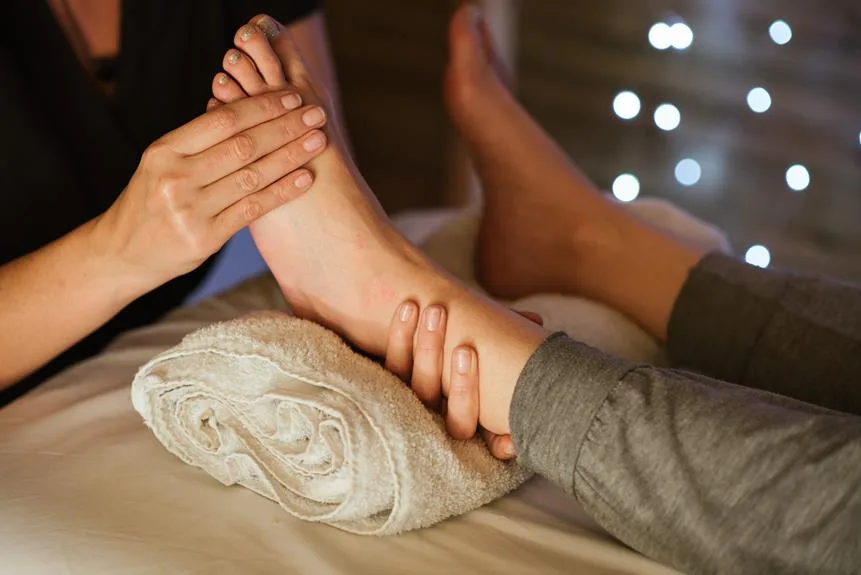
Myofascial release is a therapeutic technique to alleviate pain and restore motion by releasing tension within the myofascial network, which comprises muscles and the surrounding connective tissue.
Identifying the optimal approach necessitates understanding the various methods and their respective applications. The cross-hand technique and foam rolling represent two prevalent forms of myofascial release.
The former involves manual pressure applied by a practitioner to stretch and release the fascial tissue. At the same time, the latter is a self-administered method using a foam roller to apply broad pressure across muscle groups.
Effectiveness is often assessed through improved range of motion and reduction in discomfort, with the best technique tailored to the individual's specific condition and response to treatment.
Understanding Myofascial Release
Myofascial release is a therapeutic technique that involves applying gentle, sustained pressure to the connective tissue to alleviate pain and restore motion. This modality is grounded in a deep understanding of fascial anatomy, recognising the significance of the fascia in pain management and musculoskeletal dynamics.
The fascia is a pervasive network of connective tissue surrounding muscles, bones, and organs, crucial in transmitting mechanical forces throughout the body. Effective myofascial release requires a nuanced approach tailored to the individual's unique anatomical and physiological needs.
Preparing for Manual Therapy
Patient assessment and treatment planning are critical precursors to the practical application of manual myofascial release techniques. A thorough evaluation ensures that muscle stretching and trigger point therapies are appropriately targeted. This enhances the therapeutic impact and helps to prevent the worsening of symptoms. Understanding patient history, pain patterns, and functional limitations guides the clinician in selecting the most appropriate manual techniques.
| Assessment Component | Relevance to Myofascial Release | Considerations |
|----------------------|---------------------------------|----------------|
| Pain Evaluation | Identifies trigger points | Avoid overstimulation |
| Range of Motion | Assesses need for muscle stretching | Tailor technique to restrictions |
| Palpation | Locates areas of tightness | Inform pressure and direction |
Cross-Hand Technique Explained
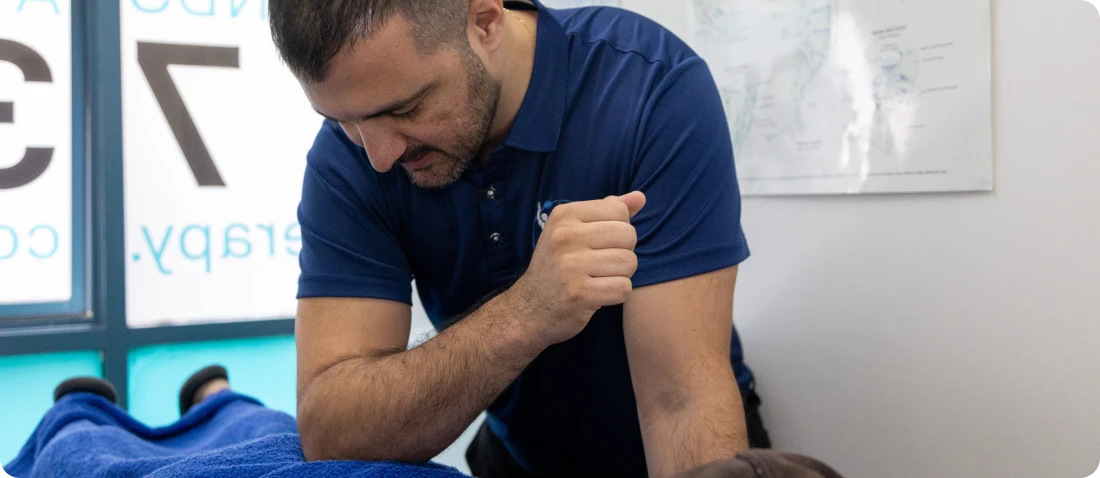
The cross-hand technique is a manual myofascial release method where practitioners apply pressure with both hands moving in opposite directions to stretch and release fascial restrictions. This technique is highly valued for improving tissue hydration and promoting optimal fascial function. The precise, controlled pressure allows for targeting specific areas, enhancing the therapeutic experience.
Consider the following benefits:
- Restores Mobility: Gently frees the fascia, allowing for restored movement and reduced pain.
- Enhances Fluid Dynamics: Improving tissue hydration is essential for maintaining healthy fascial mobility.
- Adaptable Release Variations: Accommodates individual patient needs with tailored pressure and directional stretch.
Foam Rolling Application Steps
Transitioning from the practitioner's hands-on methods, such as the cross-hand technique, foam rolling offers an accessible self-myofascial release option that individuals can perform independently.
One should select an appropriate density for their comfort level and targeted muscle group to effectively use a foam roller. Position the body so that the foam roller is under the area of tension. Gradually apply body weight onto the roller and slowly move back and forth to massage the tissue.
This controlled rolling aids in restoring muscle hydration and promoting tissue elasticity, which is essential for optimal recovery strategies. Sessions should last between 30 seconds to 2 minutes per muscle group, ensuring use a foam roller effectivelythe approach is systematic and patient-centred, allowing for individual discomfort and muscle responsiveness thresholds.
Assessing Technique Effectiveness
Several factors determine the effectiveness of a myofascial release technique, including symptom relief, improved range of motion, and the sustainability of results over time. As healthcare professionals, we must rely on clinical expertise and evidence-based practices to assess each technique's impact on our patients. To personalise the approach, we consider individual pain measurements and the unique myofascial patterns of each patient.
- Symptom Relief: The immediate reduction of pain and discomfort, providing a tangible sense of progress.
- Improved Range of Motion: The ability to move freely and without pain, restoring functionality and enhancing quality of life.
- Sustainability: The long-term benefits empower individuals to maintain their health and prevent recurrence.
We aim to deliver the most beneficial myofascial release outcomes for our patients through technique personalisation and rigorous evaluation.
Conclusion
In conclusion, the most effective myofascial release technique is contingent upon individual patient needs and clinical presentations.
Evidence suggests a combination of manual therapies, such as the Cross-Hand technique, and self-myofascial release methods, like foam rolling, can yield significant benefits.
Clinicians must assess the outcomes and adjust the approach accordingly, ensuring a patient-centred strategy that aligns with current research and best practices in musculoskeletal health and rehabilitation.
Ready to Get Help?
Book an appointment with one of our experienced Massage Therapy professionals across South West Sydney.
Book an AppointmentMedical Disclaimer
This article is intended for general informational and educational purposes only. It does not constitute medical advice and is not a substitute for professional diagnosis, treatment, or advice from a qualified healthcare provider. Always consult a registered physiotherapist, chiropractor, or other appropriate healthcare professional before starting any new treatment or exercise programme.