 (02) 9726 4491
Myofascial Release Techniques: 7 Steps for Pain Relief

Clinically reviewed by Davey Nguyen, Remedial Massage Therapist · Association of Massage Therapists (AMT). This article is general information, not a substitute for an individual assessment.

Chronic pain and muscle tightness can significantly impact your quality of life. Whether you're dealing with persistent back pain, shoulder tension, or restricted movement, myofascial release techniques offer a powerful solution. This specialised form of manual therapy targets the fascia, the connective tissue surrounding your muscles, to reduce pain and restore function. Understanding how to properly apply these techniques can make a substantial difference in your recovery journey.
The fascia plays a crucial role in your body's movement and function, yet it's often overlooked when addressing pain. When fascia becomes tight or restricted due to injury, poor posture, or repetitive stress, it can create trigger points and adhesions that limit mobility and cause discomfort. This is where targeted myofascial release becomes essential for effective pain management.
Understanding Myofascial Release and How It Works
Myofascial release is a hands-on treatment that applies sustained pressure to myofascial connective tissue restrictions. Unlike traditional massage, this technique focuses specifically on the fascia rather than just muscle tissue. The approach involves identifying areas of restriction and applying gentle, sustained pressure to allow the fascia to elongate and release.
The science behind fascia release is straightforward yet powerful. Your fascia is a three-dimensional web of connective tissue that runs throughout your entire body. When functioning properly, it's flexible and can move without restriction. However, trauma, inflammation, or poor posture can cause the fascia to become tight and inflexible, creating painful adhesions that restrict movement. Soft tissue manipulation techniques specifically target these problem areas to restore normal tissue function.
Research shows that myofascial release can significantly reduce pain perception and improve range of motion. The technique works by increasing blood flow to restricted areas, breaking down adhesions, and stimulating the parasympathetic nervous system to promote relaxation and healing.
Step 1: Assessment and Identification of Trigger Points
Before beginning any myofascial release treatment, proper assessment is essential. Your physiotherapist will perform a thorough evaluation to identify areas of fascial restriction and trigger points. These are localised spots of tenderness in taut bands of muscle that can refer pain to other areas of your body.
During assessment, your therapist will palpate different muscle groups, feeling for areas of increased tension, nodules, or bands. They'll also evaluate your posture, movement patterns, and ask about your pain history. This comprehensive approach ensures that treatment targets the root cause of your discomfort rather than just addressing symptoms.
Common trigger point locations include the upper trapezius (between your neck and shoulder), the gluteal muscles, and the lower back. Identifying these areas accurately allows for more effective treatment planning and better outcomes.
Step 2: Direct Pressure Application Technique
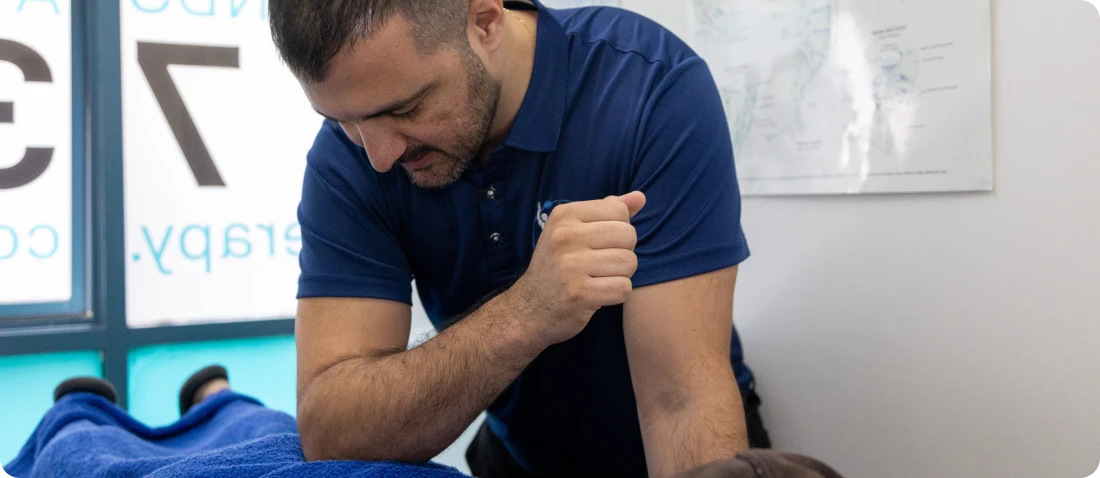
The direct pressure technique is one of the most common myofascial release methods. Your therapist applies sustained pressure directly to the identified trigger point or area of restriction. This pressure is maintained for typically 30 to 90 seconds, or until the tissue begins to release.
The key to effective direct pressure is finding the right balance. Too little pressure won't achieve the desired release, whilst too much can cause protective muscle guarding. Your therapist will communicate with you throughout the process to ensure the pressure level is appropriate. You should feel a therapeutic discomfort rather than sharp pain.
As the tissue releases, you may notice a reduction in pain and an increased sense of relaxation. This technique is particularly effective for addressing specific problem areas and can be combined with other treatment approaches such as dry needling for comprehensive pain relief.
Step 3: Stripping and Cross-Fibre Techniques
Stripping involves applying pressure along the length of muscle fibres, from origin to insertion. Your therapist uses their fingers, thumbs, or elbows to slowly glide along the muscle tissue, working to break down adhesions and restore normal tissue texture. This technique is particularly effective for addressing long bands of restriction.
Cross-fibre friction complements stripping by working perpendicular to muscle fibres. This approach helps separate adhered tissue layers and promotes proper alignment of collagen fibres during healing. The technique involves moving across the grain of the muscle tissue with controlled pressure.
Both techniques require skilled application to be effective without causing tissue damage. Your therapist will adjust the depth and speed based on your tissue response and comfort level. These methods are often used together to address different aspects of fascial restriction.
Step 4: Skin Rolling and Lifting Techniques
Skin rolling is a gentler approach that involves lifting and rolling the skin and superficial fascia between the fingers and thumbs. This technique helps assess the mobility of superficial tissue layers and can identify areas where the skin adheres too tightly to underlying structures.
During skin rolling, your therapist will systematically work across different body regions, noting areas of restriction or discomfort. Restricted areas often indicate fascial adhesions that need attention. The lifting motion helps separate tissue layers and improve fluid movement between them.
This technique is particularly useful for addressing lower back pain and can be easily taught for self-treatment at home. The gentle nature of skin rolling makes it appropriate for most people, including those with sensitive tissues or acute injuries.
Step 5: Self-Release Using Tools and Foam Rollers
Whilst professional treatment is valuable, learning self-myofascial release techniques empowers you to manage your pain between appointments. Foam rollers, massage balls, and specialised tools allow you to apply myofascial release principles at home.
When using a foam roller, position your body so the roller is beneath the target muscle group. Use your body weight to apply pressure, then slowly roll along the muscle length, pausing on tender spots for 30 to 60 seconds. Focus on maintaining steady, controlled movements rather than rapid rolling.
For smaller, more specific areas like the neck, shoulders, or feet, massage balls provide more targeted pressure. Place the ball against the problem area and apply body weight or hand pressure to achieve the desired intensity. Self-release techniques work well alongside professional treatment for conditions affecting shoulder mobility and other common problem areas.
Step 6: Sustained Stretch and Release
Combining myofascial release with sustained stretching enhances treatment effectiveness. After releasing a trigger point or restricted area, your therapist will often guide you through gentle stretches that target the same muscle groups. This approach helps maintain the gains achieved through manual therapy.
The stretch should be held for at least 30 seconds to allow the fascia time to respond and elongate. Unlike traditional stretching, myofascial stretching focuses on creating a gentle, sustained pull through the entire fascial chain rather than isolating individual muscles. This addresses the interconnected nature of fascial restrictions.
Your therapist will teach you specific stretches to perform at home, creating a comprehensive treatment plan that extends beyond clinic visits. Consistent stretching helps prevent fascial restrictions from returning and supports long-term pain management.
Step 7: Integration with Movement and Exercise
The final step in effective myofascial release involves integrating the treatment gains into functional movement patterns. Simply releasing tight tissue isn't enough; you need to retrain your body to move correctly and maintain the improved tissue quality.
Your physiotherapist will design specific exercises that reinforce proper movement patterns whilst maintaining fascial mobility. These might include postural correction exercises or activities that challenge your body to use the newly released tissue through full ranges of motion.
Progressive loading is essential for lasting results. As your pain decreases and mobility improves, your exercise programme will advance to include more challenging movements. This ensures your fascia adapts to functional demands and remains healthy over time.
When to Seek Professional Myofascial Release Treatment
Whilst self-treatment techniques are valuable, certain situations require professional intervention. If you're experiencing chronic pain that hasn't responded to conservative treatment, have severe movement restrictions, or notice pain that radiates or changes location, it's time to consult a physiotherapist.
Professional myofascial release is particularly beneficial when combined with other therapeutic approaches. Your physiotherapist can assess whether you might also benefit from chiropractic care or additional physiotherapy treatments to address your specific condition comprehensively.
At ActivTherapy, our experienced therapists specialise in myofascial release and soft tissue manipulation techniques. We take a holistic approach to pain management, combining hands-on treatment with education and exercise prescription to help you achieve lasting relief. Whether you're dealing with acute injury or chronic pain, our team can develop a personalised treatment plan that addresses your unique needs and helps you return to the activities you love.
Remember that consistency is key with myofascial release. Regular treatment sessions combined with home exercises typically yield the best results. Most people notice improvements within a few sessions, though chronic conditions may require ongoing management. Your therapist will establish realistic expectations and adjust your treatment plan based on your progress.
Ready to Get Help?
Book an appointment with one of our experienced Massage Therapy professionals across South West Sydney.
Book an AppointmentMedical Disclaimer
This article is intended for general informational and educational purposes only. It does not constitute medical advice and is not a substitute for professional diagnosis, treatment, or advice from a qualified healthcare provider. Always consult a registered physiotherapist, chiropractor, or other appropriate healthcare professional before starting any new treatment or exercise programme.