 (02) 9726 4491
Why Does Proper Myofascial Release Technique Matter?

Clinically reviewed by Davey Nguyen, Remedial Massage Therapist · Association of Massage Therapists (AMT). This article is general information, not a substitute for an individual assessment.

Why Does Proper Myofascial Release Technique Matter?
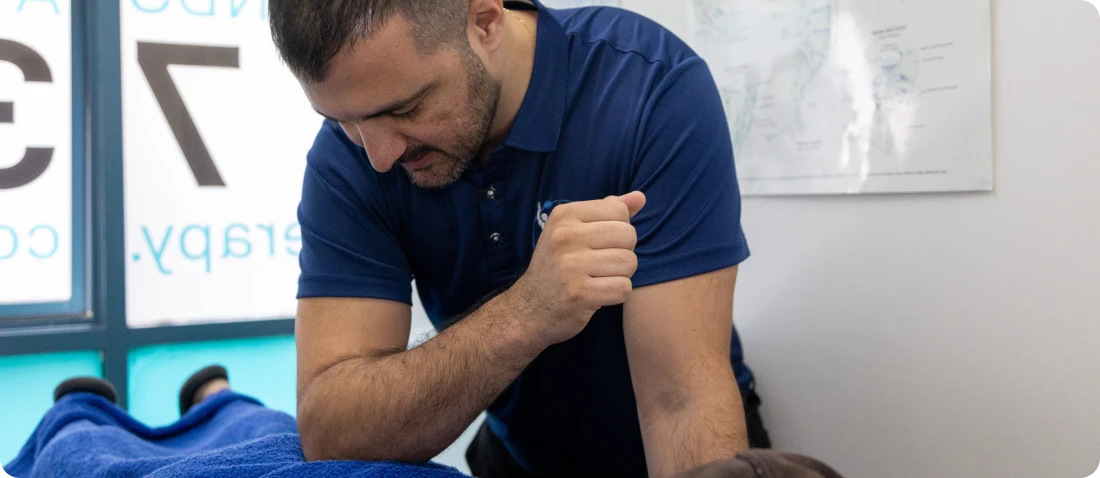
Myofascial release is a therapeutic practice designed to alleviate tension and pain in the myofascial tissues — the connective tissues that encase muscles throughout the body. Employing proper techniques is critical as it ensures these sensitive structures' safe and effective manipulation.
Correct application can enhance the range of motion, promote blood circulation, and aid in recovering muscular injuries, contributing to overall musculoskeletal health. Conversely, improper techniques not only reduce the efficacy of the treatment but can also exacerbate discomfort or cause injury.
As such, understanding and mastering myofascial release nuances is imperative for practitioners and individuals seeking relief from chronic pain or enhancing their physical well-being through self-myofascial release practices.
Understanding Myofascial Tissues
Myofascial tissues, comprising the three-dimensional network of connective tissues that surround and support muscles throughout the body, play a critical role in maintaining posture, providing stability, and facilitating movement.
The optimal function of these tissues depends on their health, which is influenced by factors like fascia hydration and tissue elasticity. Hydrated fascia permits the smooth gliding of muscular fibres, enhancing tissue mobility and function. Conversely, dehydrated fascia becomes stiff, leading to restricted movement and pain.
Elasticity allows these tissues to stretch and recoil with activities. Maintaining this flexibility is essential for the prevention of injuries and for overall musculoskeletal health.
Therefore, focusing on therapeutic strategies that promote fascia hydration and elasticity can significantly benefit patients, improving their functional outcomes and quality of life.
Benefits of Correct Technique
Employing the proper myofascial release technique is crucial as it directly influences tissue elasticity and hydration restoration, enhancing musculoskeletal function and reducing the risk of injury. Mastery of this technique offers a range of benefits, substantiated by clinical evidence, that are pivotal to patients' immediate and long-term well-being.
- Muscle Recovery: Facilitates faster recovery post-exercise or injury by alleviating myofascial trigger points and improving blood circulation.
- Pain Mitigation: Reduces chronic pain by systematically releasing tight fascia, which can otherwise contribute to discomfort and dysfunction.
- Injury Prevention: Correct technique helps maintain the myofascial system's integrity, preventing tissue damage due to improper movement or overuse.
Common Myofascial Release Mistakes
While the benefits of myofascial release are well-documented, common mistakes in its application can significantly undermine its effectiveness and potentially lead to further musculoskeletal issues. An improper technique may not only fail to alleviate pain but can exacerbate existing conditions. Understanding the relationship between trigger points and pain patterns is crucial in addressing the root cause of discomfort.
| Mistake | Consequence | Prevention |
|---------|-------------|------------|
| Excessive Force | Increased pain, tissue damage | Gentle, progressive pressure |
| Ignoring Pain Patterns | Ineffective treatment, missed trigger points | Comprehensive assessment of pain |
| Rushed Sessions | Inadequate release, tension persistence | Sufficient time per area |
In clinical practice, it is imperative to apply myofascial release with precision and patience, respecting the body's signals and natural healing processes to ensure the safety and well-being of patients.
Essential Tools for Myofascial Release
Transitioning from technique to practice, the appropriate selection of tools is a foundational aspect of effective myofascial release therapy. These instruments are not just adjuncts but are integral for achieving desired outcomes such as improved tissue hydration and accurate posture analysis. With a patient-focused approach, the following items are crucial:
- Foam Rollers: Ideal for large muscle groups, foam rollers facilitate self-myofascial release, promoting tissue hydration and flexibility.
- Massage Balls: For targeted pressure, massage balls can pinpoint specific myofascial trigger points, aiding in releasing tightness and improving mobility.
- Posture Analysis Tools: Devices or apps used for posture analysis assist clinicians in identifying myofascial imbalances, ensuring that release techniques are accurately directed and beneficial for patient posture correction.
Advanced Myofascial Release Strategies
Building on foundational techniques, advanced myofascial release strategies involve precise manipulations that target deeper tissues and require a skilled understanding of anatomical structures. These methods address chronic myofascial pain and dysfunction, often focusing on trigger points—localized areas of muscle tension that can refer pain to distant sites.
Effective treatment relies on the practitioner's ability to detect these points and apply sustained, appropriate pressure to alleviate the constriction and restore normal function.
A key aspect of advanced strategies is maintaining fascial hydration, essential for the smooth gliding of muscular and fascial tissues. Proper hydration facilitates release and supports the body's natural healing mechanisms.
Conclusion
In conclusion, proper myofascial release techniques are imperative for optimizing the therapeutic benefits. This includes pain reduction, increased range of motion, and improved circulation. Adherence to evidence-based practices minimizes the risk of injury and enhances patient outcomes.
As a comprehensive treatment plan component, myofascial release, when executed with precision and understanding, can significantly contribute to the overall well-being and functional capacity of individuals seeking relief from myofascial pain syndromes.
Ready to Get Help?
Book an appointment with one of our experienced Massage Therapy professionals across South West Sydney.
Book an AppointmentMedical Disclaimer
This article is intended for general informational and educational purposes only. It does not constitute medical advice and is not a substitute for professional diagnosis, treatment, or advice from a qualified healthcare provider. Always consult a registered physiotherapist, chiropractor, or other appropriate healthcare professional before starting any new treatment or exercise programme.