 (02) 9726 4491
Best Single Leg Exercises for Balance and Coordination

Clinically reviewed by Andy Kha, Physiotherapist · Australian Health Practitioner Regulation Agency (AHPRA). This article is general information, not a substitute for an individual assessment.
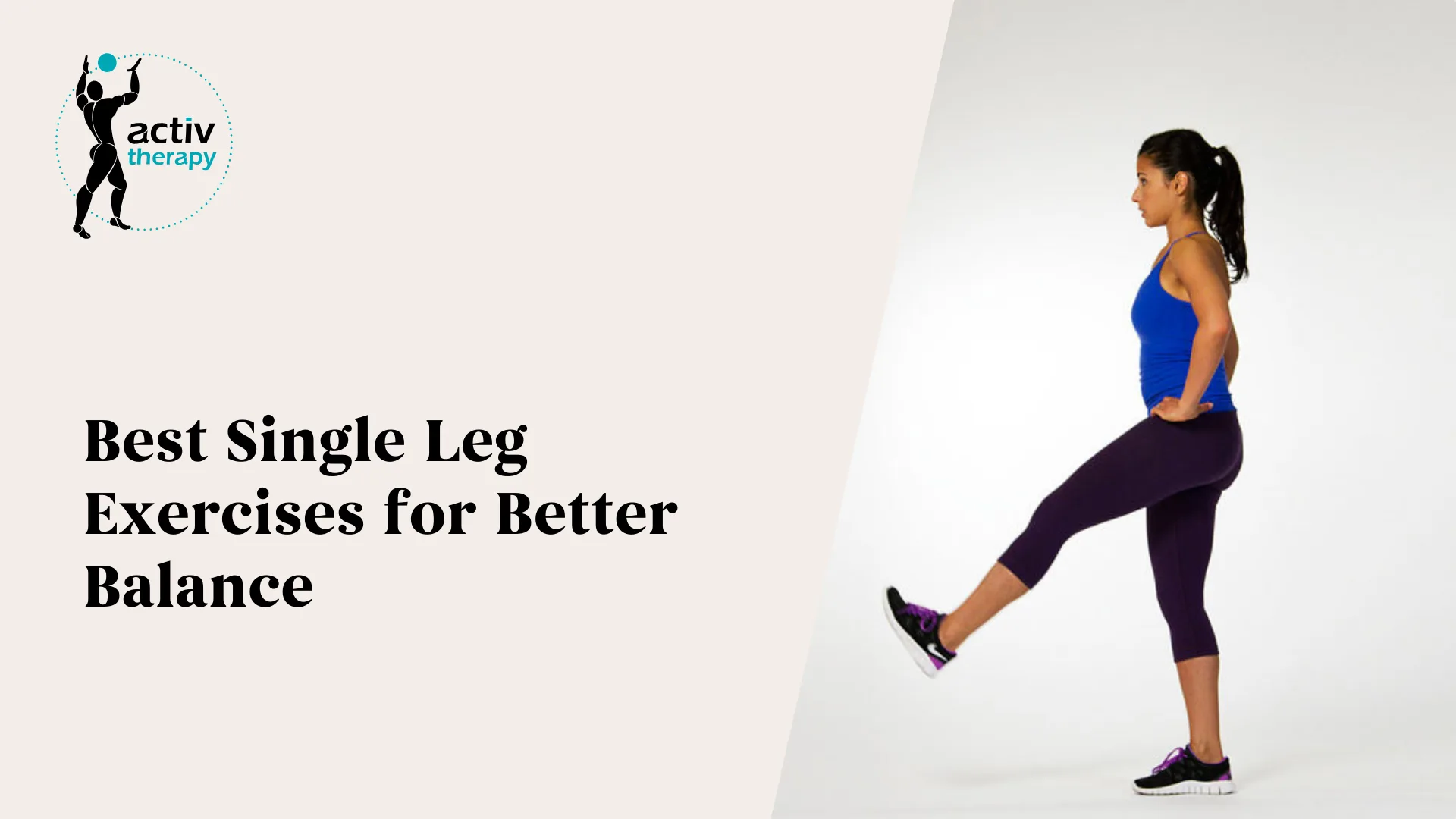
Balance is a fundamental aspect of human movement that often goes unnoticed until it becomes compromised. While most people can maintain stability on two feet without much thought, single-leg exercises reveal surprising weaknesses in our neuromuscular system. These deficits can impact everything from athletic performance to daily activities like climbing stairs or walking on uneven surfaces. Understanding and implementing targeted single-leg training not only enhances stability but also builds functional strength, prevents injuries, and improves overall movement quality. As we explore the most effective single-leg exercises, you'll discover how small adjustments in training can lead to significant improvements in balance control and coordination.
Understanding Single Leg Balance Benefits
Single-leg balance stands as a fundamental component of overall physical wellbeing, playing an essential role in daily activities and sporting performance. The ability to maintain stability on one leg directly impacts our capacity to navigate daily tasks, from climbing stairs to walking on uneven surfaces. When individuals develop proficient single-leg balance through targeted exercises, they enhance their overall physical function and reduce their susceptibility to injuries.
Balance training, particularly focusing on single leg exercises, strengthens the intricate network of muscles and joints responsible for maintaining stability. This type of lower body conditioning not only improves strength but also enhances proprioception—the body's awareness of its position in space. By incorporating regular single-leg balance exercises into fitness routines, individuals can develop greater control over their movements and better coordinate their actions.
The benefits of single leg balance training extend beyond immediate physical improvements. Research indicates that individuals with enhanced balance capabilities demonstrate greater independence in daily living activities and maintain better mobility as they age. This is particularly vital for older adults, as robust balance skills considerably reduce the risk of falls, which can lead to serious injuries and declining health. Implementing effective balance training strategies can significantly improve stability and confidence in movement.
Moreover, single leg exercises create a foundation for better overall physical performance. Whether in sport or everyday activities, the ability to maintain stability on one leg translates to improved coordination, agility, and functional movement patterns. This comprehensive approach to balance training contributes to a higher quality of life by fostering confidence in movement and supporting long-term physical independence.
Essential Single Leg Exercises for Beginners
Starting with foundational single-leg exercises allows beginners to build confidence and strength progressively. The single-leg stand forms the cornerstone of balance training—simply lift one foot off the ground and maintain stability for 10-30 seconds. Begin with eyes open near a wall or sturdy surface for support, then gradually increase duration as balance improves.
Tandem walking serves as an excellent introductory exercise for coordination development. Walk forward placing one foot directly in front of the other, heel to toe, as if walking along a straight line. This exercise challenges lateral stability while remaining accessible for beginners. Start with 10-15 steps and focus on maintaining steady, controlled movements.
The supported single-leg stance with knee raise builds upon basic standing balance. While holding a chair or countertop, lift one knee to hip height and hold for 5-10 seconds. This movement strengthens hip flexors and core muscles essential for balance control. Progress by reducing hand support or adding gentle leg swings once comfortable.
Clock taps introduce directional awareness while maintaining single-leg stability. Stand on one leg and imagine a clock face on the ground. Tap the other foot at different "hours" around the clock whilst maintaining balance on the supporting leg. This exercise improves proprioception and prepares the body for more complex balance challenges ahead.
Progressive Weight Shifting Exercises
While mastering basic standing balance is essential, progressive weight shifting exercises introduce dynamic movement patterns that challenge stability in multiple directions. These exercises build upon foundational balance skills by incorporating controlled movements that strengthen single leg stability and improve proprioception.
Begin by standing with your feet hip-width apart and gradually transfer your weight to your right leg until you're comfortable balancing on one leg. Hold this position for 10-15 seconds before shifting back to centre. Repeat the same movement on the left side. As you progress, increase the duration and add gentle arm movements to challenge your stability further.
Side to side weight shifting exercises are particularly effective for developing lateral stability. Start with both feet planted and slowly shift your weight from one leg to the other, maintaining control throughout the movement. Focus on engaging your core and keeping your stance leg strong as you transfer weight. Progress this exercise by lifting the non-weight-bearing foot slightly off the ground during each shift.
Advanced variations include figure-8 patterns while weight shifting, where you trace an imaginary figure-8 with your body weight while maintaining balance. Another challenging progression involves adding controlled reaches with your free leg while balancing on your stance leg. These movements should be performed slowly and deliberately, with emphasis on maintaining proper alignment and preventing the knee of your supporting leg from collapsing inward. For those recovering from injury or surgery, incorporating soft tissue manipulation techniques can help restore optimal muscle function before progressing to more challenging balance exercises.
Advanced Balance Training Techniques
Advanced balance training techniques build upon progressive weight shifting exercises by introducing more complex challenges that target multiple aspects of stability and neuromuscular control. To enhance single leg strength and balance, incorporating unstable surfaces like BOSU balls and balance boards creates an environment that forces rapid neuromuscular adaptations. When you balance on one leg while moving across these surfaces, your body learns to make quick adjustments, improving overall stability and coordination.
Reactive training methods drastically enhance your ability to maintain balance and make quick corrections. For instance, when you lift your left leg whilst catching a weighted ball, this exercise helps develop reflexive responses crucial for preventing falls. Similarly, performing cognitive tasks while you lift your left foot challenges your brain to process multiple inputs simultaneously, preparing you for real-world situations where balance can help prevent injuries.
Incorporating PNF techniques adds another dimension to single leg balance training. These specialised movements involve rhythmic stabilisation exercises that strengthen the neural pathways between your brain and muscles. For maximum benefit, combine these methods with perturbation training, where a training partner applies gentle, unexpected forces while you balance on one leg. This exercise helps develop rapid compensatory responses and enhances overall stability.
Each of these advanced techniques systematically challenges your balance systems, creating comprehensive improvements in neuromuscular control and functional stability. When practised consistently, these methods lead to better balance, reduced fall risk, and enhanced athletic performance. Seniors particularly benefit from these exercises, as demonstrated by research on effective home-based balance programs that reduce fall incidents.
Core Balance and Stability Training
Core stability serves as the cornerstone of effective single-leg balance training, acting as the power centre from which all movements originate. Research consistently demonstrates that a strong, stable core provides the essential foundation needed for maintaining equilibrium during challenging single-leg movements. By developing this crucial area, individuals can significantly enhance their balance capabilities while reducing the risk of unwanted movement patterns.
To build this fundamental strength, specific exercises targeting core stability have proven particularly effective. Plank variations engage multiple core muscle groups simultaneously, helping to create a solid base for balance work. Dead bugs, while performed lying down, challenge core control and coordination in ways that directly translate to standing balance. The pallof press specifically addresses rotational stability, which is indispensable for maintaining proper alignment during single-leg exercises.
These core-focused movements are especially valuable in addressing muscle imbalances that can compromise balance performance. By methodically strengthening the core musculature, practitioners can develop better control over their body's positioning and movement patterns. This improved control directly enhances the body's ability to maintain stability during single-leg activities, whether in athletic performance or daily living tasks.
Both young and older adults can benefit significantly from incorporating core stability work into their balance training routines. The key lies in progressive training that builds foundational strength while challenging the body's ability to maintain proper alignment. This approach creates a comprehensive system for developing robust single-leg balance capabilities, supported by a strong and stable core.
Dynamic Movement Balance Challenges
Dynamic movement balance challenges represent a pivotal progression in single-leg training, as they require practitioners to maintain stability during controlled motion rather than just static holds. These single leg exercises demand continuous adjustments to the body's centre of mass, making them particularly effective for developing functional stability and neuromuscular control.
Key exercises in this category include walking lunges, which challenge balance through the shift from one leg to the other while moving forward. The front leg must stabilise the body while the rear leg moves through space, creating a dynamic challenge that helps prevent falls and enhances overall coordination. Step-ups and single-leg reaching movements further improve balance by requiring controlled movement in multiple directions—forward, to the side, and lower.
To intensify these strengthening exercises, incorporating unstable surfaces such as BOSU balls or foam pads drastically increases the proprioceptive demands. These tools force the stabilising muscles to work harder, enhancing the body's natural balance mechanisms. Adding external resistance through dumbbells or resistance bands creates additional challenges that boost both strength and stability simultaneously.
The practical benefits of these dynamic balance exercises extend beyond the gym setting. Regular practice translates directly to improved performance in daily activities and sports-specific movements. This functional carryover makes dynamic single-leg training particularly valuable for athletes and individuals seeking to enhance their overall movement quality and reduce injury risk. For older adults, combining these exercises with proper mobility aid training ensures safe progression and optimal results.
Resistance Training Balance Integration
Integrating single-leg exercises into a thorough resistance training program marks a natural evolution from dynamic movement patterns to structured strength development. These unilateral movements help create a foundation for improved balance whilst simultaneously building strength and stability. To make the most of these exercises, practitioners should focus on maintaining proper form and gradually increasing the number of times they perform each movement.
When incorporating resistance training with single-leg exercises, ensure both sides of the leg are addressed equally to prevent muscular imbalances. Movements such as lunges require careful attention to the positioning of the back leg, whilst single-leg deadlifts demand focus on maintaining stability through the standing leg as the opposite leg extends. These exercises effectively reduce the risk of injury by developing symmetrical strength and enhanced proprioception.
Progressive overload in single-leg training can be achieved through various methods. Adding external resistance through dumbbells, kettlebells, or resistance bands challenges the body's stabilising mechanisms while building strength. Additionally, manipulating the base of support or incorporating unstable surfaces can further enhance balance and neuromuscular control.
This systematic approach to single-leg resistance training not only improves performance in bilateral exercises but also translates to better functional movement in daily activities and sport. Regular practice ensures that the body develops the necessary strength and coordination to maintain balance under varying conditions, particularly beneficial for ageing populations concerned with maintaining mobility and preventing falls.
Balance Recovery Strategies
When unexpected shifts in balance occur during single-leg exercises, having well-practised recovery strategies becomes necessary for preventing falls and maintaining control. Physiotherapists recommend several key techniques that can be integrated into strength training routines to enhance balance recovery skills, particularly when standing on one foot.
A primary recovery strategy involves immediately stepping the unweighted leg out to the side. For example, during single leg movements, if balance is lost while standing on the right leg, quickly stepping the opposite lower limb laterally can prevent falling. This action, combined with leaning the torso toward the stepping leg, effectively shifts the centre of mass back over the base of support. Core engagement throughout this process is vital, as it provides enhanced postural control and stability.
Another effective technique involves extending the arms laterally, which serves as a counterbalance mechanism. This strategy is particularly useful during dynamic movements when blood flow and muscle fatigue might affect balance. If forward momentum becomes problematic, taking a small step backward with the unweighted leg can help regain control. This backward stepping motion allows for quick repositioning of the body and prevents the tendency to lean forward excessively.
These recovery strategies should be practised regularly during balance training sessions, allowing them to become automatic responses when needed. By incorporating these techniques into regular training, practitioners can develop more confident and controlled single-leg performance while reducing the risk of injuries from loss of balance. For comprehensive fall prevention, consider implementing professionally designed physiotherapy programs that address multiple aspects of stability and mobility.
Exercises for Balance and Coordination: Key Principles
Developing effective exercises for balance and coordination requires understanding several fundamental principles that govern neuromuscular control. The first principle involves progressive difficulty—starting with stable surfaces and advancing to unstable platforms creates systematic improvements in proprioception and postural control. This gradual progression allows the nervous system to adapt without overwhelming the body's compensatory mechanisms.
Sensory integration forms the second critical principle. Effective balance exercises should challenge multiple sensory systems simultaneously, including visual, vestibular, and proprioceptive inputs. Closing the eyes during single-leg stands, for instance, removes visual feedback and forces greater reliance on other balance systems. This multi-sensory approach strengthens the brain's ability to process and respond to various environmental cues.
The third principle emphasises functional movement patterns. Balance exercises should mimic real-world activities to ensure practical application. Single-leg squats, for example, replicate the mechanics of stair climbing and sitting down, making the training directly transferable to daily tasks. This functional focus ensures that improvements in balance translate to enhanced quality of life.
Consistency and frequency represent the final principle. Balance and coordination improvements require regular practice, ideally 3-5 sessions per week. Short, frequent training sessions prove more effective than occasional lengthy workouts, as they allow for neurological adaptation without excessive fatigue. Maintaining this regular practice schedule ensures sustained improvements and long-term retention of balance skills. For seniors experiencing joint discomfort during balance training, modified exercises and proper warm-up techniques can maintain progression whilst minimising pain.
Conclusion
Single-leg exercises represent a vital component in developing enhanced balance, stability, and functional movement patterns. Through progressive training from basic standing drills to advanced dynamic movements, these exercises strengthen the neuromuscular system and improve proprioception. Regular practice of single-leg training protocols, combined with core stability work and resistance training, leads to improved physical performance, reduced fall risk, and enhanced quality of life across all age groups. By incorporating these evidence-based techniques and recovery strategies, individuals can build lasting improvements in balance and coordination.
Ready to Get Help?
Book an appointment with one of our experienced Sports Physiotherapy professionals across South West Sydney.
Book an AppointmentMedical Disclaimer
This article is intended for general informational and educational purposes only. It does not constitute medical advice and is not a substitute for professional diagnosis, treatment, or advice from a qualified healthcare provider. Always consult a registered physiotherapist, chiropractor, or other appropriate healthcare professional before starting any new treatment or exercise programme.