 (02) 9726 4491
Soft Tissue Manipulation: What It Is & When You Need It

Clinically reviewed by Davey Nguyen, Remedial Massage Therapist · Association of Massage Therapists (AMT). This article is general information, not a substitute for an individual assessment.
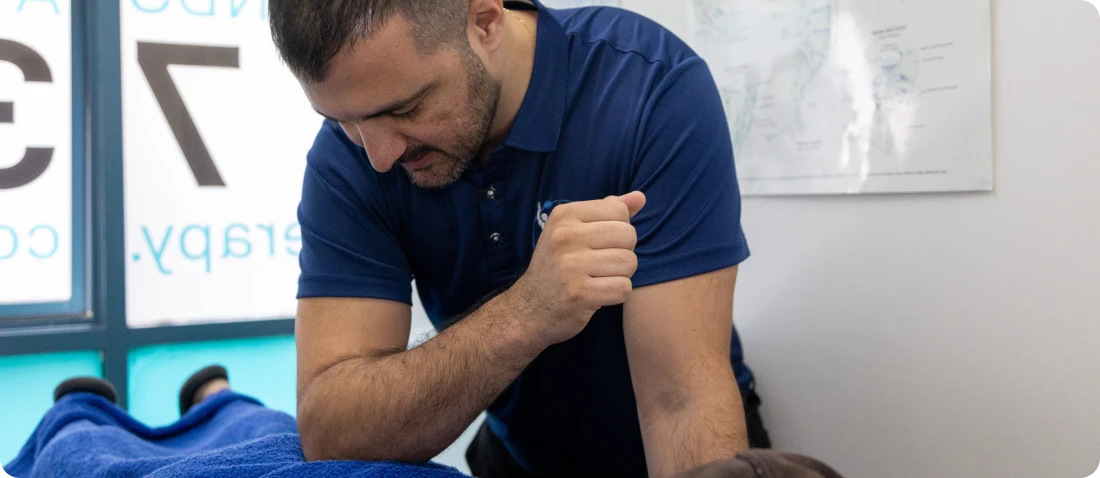
Soft tissue manipulation is a hands-on therapeutic technique used by physiotherapists and chiropractors to treat muscles, tendons, ligaments, and fascia. This manual therapy approach targets areas of tension, injury, or dysfunction to reduce pain, improve circulation, and restore normal movement patterns. Whether you're recovering from an injury, managing chronic pain, or looking to enhance athletic performance, understanding this treatment method can help you make informed decisions about your care.
What Is Soft Tissue Manipulation?
Soft tissue manipulation involves the skilled application of pressure and movement to the body's soft tissues. Unlike general relaxation massage, soft tissue therapy is a clinical treatment that addresses specific musculoskeletal problems. Practitioners use various manual therapy techniques to break down adhesions, release trigger points, and improve tissue mobility.
The technique works by mechanically influencing the tissue structure and stimulating neurological responses. When pressure is applied to muscle tissue, it increases blood flow to the area, promotes lymphatic drainage, and can interrupt pain signals sent to the brain. This combination of physical and neurological effects makes soft tissue treatment particularly effective for both acute injuries and chronic conditions.
Different forms of muscle manipulation exist within the broader category of soft tissue therapy, including deep tissue work, myofascial release, trigger point therapy, and cross-friction massage. Each technique serves specific purposes and may be combined during a single treatment session based on your individual needs.
Common Conditions Treated With Soft Tissue Therapy
Soft tissue massage is used to address a wide range of musculoskeletal conditions. Sports injuries such as muscle strains, ligament sprains, and tendonitis respond particularly well to targeted manipulation. The technique helps break down scar tissue that forms during the healing process, which can otherwise limit flexibility and cause ongoing discomfort.
Chronic pain conditions including back pain, neck pain, and tension headaches frequently benefit from regular soft tissue treatment. Many people develop muscle imbalances and compensatory movement patterns that perpetuate pain cycles. By addressing these underlying tissue restrictions, practitioners can help interrupt these patterns and provide lasting relief.
Postural problems related to desk work or repetitive activities often create areas of chronic tension. Soft tissue manipulation can release these tight structures and improve overall posture. For seniors dealing with age-related stiffness, joint pain relief approaches often incorporate soft tissue work alongside other therapeutic interventions.
Post-Surgical Recovery
After surgery, scar tissue and adhesions can form that limit movement and cause discomfort. Myofascial manipulation helps break down these restrictions and restore normal tissue gliding. This is particularly important for patients recovering from orthopaedic procedures or those working through rehabilitation programs.
The Science Behind Soft Tissue Treatment
Research supports the effectiveness of soft tissue manipulation for various conditions. Studies show that manual therapy techniques can reduce muscle tension by affecting the nervous system's tone and decreasing the sensitivity of pain receptors. The mechanical pressure applied during treatment also stimulates mechanoreceptors in the tissue, which can override pain signals through a process called gate control theory.
The fascia, a connective tissue network that surrounds and connects muscles throughout the body, plays a crucial role in movement and posture. When fascia becomes restricted due to injury, inflammation, or poor posture, it can create tension patterns that affect distant areas of the body. Myofascial manipulation addresses these restrictions by applying sustained pressure to release fascial adhesions and restore normal tissue mobility.
Improved circulation is another key benefit of soft tissue therapy. The mechanical pressure and movement applied during treatment increases blood flow to the treated area, delivering oxygen and nutrients while removing metabolic waste products. This enhanced circulation accelerates healing and reduces inflammation in injured tissues.
What to Expect During a Soft Tissue Manipulation Session
Your first session will typically begin with a thorough assessment. Your practitioner will evaluate your movement patterns, test muscle strength and flexibility, and identify specific areas of restriction or tenderness. This assessment helps determine which manual therapy techniques will be most effective for your condition.
During treatment, you'll typically remain clothed or draped for modesty, though direct skin contact may be necessary for some techniques. The practitioner will apply varying degrees of pressure based on the tissue being treated and your comfort level. While some discomfort is normal, especially when working on chronically tight or injured areas, the treatment should never be unbearably painful.
Sessions usually last between 30 and 60 minutes, depending on the areas being treated and the complexity of your condition. Many people feel immediate relief after treatment, though it's also normal to experience some soreness for a day or two as the tissues adjust. This temporary discomfort is similar to muscle soreness after exercise and typically resolves quickly.
Frequency and Duration of Treatment
The number of sessions required varies based on your condition's severity and chronicity. Acute injuries may improve significantly within a few sessions, while chronic conditions often require ongoing treatment to maintain results. Your practitioner will develop a treatment plan tailored to your specific needs and adjust it as you progress.
Soft Tissue Manipulation Techniques Explained
Deep tissue massage involves applying firm pressure to reach deeper muscle layers and fascia. This technique is particularly effective for chronic muscle tension and areas with significant adhesions. The practitioner uses slow strokes and focused pressure to break down stubborn knots and restore normal tissue texture.
Trigger point therapy targets specific areas of hyperirritability within muscles that can refer pain to other body regions. By applying sustained pressure to these trigger points, practitioners can release the tension and eliminate referred pain patterns. This technique is especially useful for headaches, shoulder pain, and lower back discomfort.
Cross-friction massage involves applying pressure perpendicular to muscle and tendon fibres. This technique helps break down scar tissue and promotes proper collagen alignment during the healing process. It's commonly used for tendon injuries and chronic tendinitis conditions.
Myofascial release uses gentle, sustained pressure to release fascial restrictions. Unlike deep tissue work, this technique typically involves lighter pressure applied for longer durations to allow the fascia to soften and release. Similar to how physiotherapy exercises benefit arthritis patients, myofascial work complements other therapeutic interventions.
When You Should Consider Soft Tissue Treatment
If you're experiencing persistent muscle tension, limited range of motion, or pain that hasn't responded to rest and simple home remedies, soft tissue manipulation may be appropriate. This treatment approach is particularly valuable when pain is localized to specific muscles or when you notice particular movement patterns trigger your symptoms.
Athletes and active individuals often benefit from regular soft tissue therapy as part of their training routine. Preventive treatment can identify and address minor restrictions before they develop into more significant injuries. Many professional athletes incorporate regular sessions to maintain optimal tissue health and performance.
For seniors experiencing age-related stiffness and reduced mobility, soft tissue treatment combined with appropriate exercise can significantly improve quality of life. The gentle techniques used in myofascial manipulation are well-tolerated by older adults and can be adapted to accommodate various health conditions. When combined with balance training approaches, soft tissue work contributes to comprehensive fall prevention strategies.
Contraindications and Precautions
While soft tissue manipulation is generally safe, certain conditions require caution or may contraindicate treatment. Active infections, acute inflammation, unhealed fractures, and certain skin conditions should be avoided during treatment. Always inform your practitioner about any medical conditions, medications, or recent injuries before beginning treatment.
Maximising Your Treatment Results
To get the most benefit from soft tissue therapy, stay well-hydrated before and after sessions. Drinking adequate water helps flush metabolic waste products released during treatment and supports tissue recovery. Avoiding strenuous activity immediately after treatment allows your body to integrate the changes made during the session.
Following your practitioner's home exercise recommendations is crucial for maintaining treatment benefits. Stretching exercises and strengthening activities help prevent tissues from returning to dysfunctional patterns. Your practitioner may also suggest self-massage techniques or foam rolling to support your treatment between sessions.
Communicating openly with your practitioner about your response to treatment helps optimise your care plan. Let them know if certain techniques feel particularly beneficial or if you're experiencing any unexpected reactions. This feedback allows your practitioner to adjust their approach and ensure you're receiving the most effective treatment possible.
Soft tissue manipulation represents a powerful tool in managing musculoskeletal pain and dysfunction. By understanding how these manual therapy techniques work and when they're most appropriate, you can make informed decisions about incorporating them into your treatment plan. Whether you're dealing with a specific injury, chronic pain, or simply want to maintain optimal movement quality, soft tissue therapy offers evidence-based benefits that support your overall health and wellbeing.
Ready to Get Help?
Book an appointment with one of our experienced Massage Therapy professionals across South West Sydney.
Book an AppointmentMedical Disclaimer
This article is intended for general informational and educational purposes only. It does not constitute medical advice and is not a substitute for professional diagnosis, treatment, or advice from a qualified healthcare provider. Always consult a registered physiotherapist, chiropractor, or other appropriate healthcare professional before starting any new treatment or exercise programme.