 (02) 9726 4491
Vestibular Rehabilitation: What It Is & How It Helps Dizziness

Clinically reviewed by Matthew Calabrese, Physiotherapist · Australian Health Practitioner Regulation Agency (AHPRA). This article is general information, not a substitute for an individual assessment.

If you've ever experienced the unsettling sensation of the room spinning, persistent dizziness, or unexplained balance problems, you know how much these symptoms can affect your daily life. Vestibular rehabilitation is a specialised form of physiotherapy designed to address these issues by targeting the vestibular system—the complex network in your inner ear that controls balance and spatial orientation. This evidence-based treatment approach can significantly reduce symptoms and help you regain confidence in your movement.
Understanding the Vestibular System and Why It Matters
Your vestibular system is located in your inner ear and works continuously to keep you balanced and oriented in space. It sends signals to your brain about head position and movement, which your brain then integrates with visual and sensory information from your muscles and joints. When this system is disrupted through injury, illness, or age-related changes, the result can be debilitating symptoms that affect your ability to work, drive, or perform everyday activities.
Common conditions affecting the vestibular system include benign paroxysmal positional vertigo (BPPV), vestibular neuritis, labyrinthitis, Ménière's disease, and post-concussion syndrome. Many people also experience balance issues following stroke or as part of the natural ageing process. Understanding what's causing your symptoms is the first step toward effective treatment.
What Vestibular Rehabilitation Actually Involves
Vestibular therapy is a customised program designed to reduce dizziness, improve balance, and minimise fall risk. Your physiotherapist begins with a comprehensive assessment that examines your eye movements, balance responses, gait patterns, and how your symptoms respond to different head positions and movements. This detailed evaluation helps identify the specific vestibular problem and guides treatment planning.
Treatment typically involves three main components: habituation exercises that reduce sensitivity to movement, gaze stabilisation exercises that improve vision during head movement, and balance training that enhances stability. Similar to how balance training tips can prevent falls, vestibular exercises progressively challenge your system to promote adaptation and recovery.
Habituation Therapy
Habituation exercises work by repeatedly exposing you to specific movements or visual stimuli that provoke your dizziness. While this might seem counterintuitive, controlled exposure helps your brain adapt and gradually reduces the intensity of symptoms. These exercises are carefully graded to ensure they're challenging enough to promote change but not so intense that they cause excessive discomfort.
Gaze Stabilisation Training
When your vestibular system isn't functioning properly, your vision may blur or bounce during head movement. Gaze stabilisation exercises train your brain to maintain clear vision even when your head is moving. These targeted movements help restore the vestibulo-ocular reflex, which is essential for everyday activities like reading while walking or driving.
Common Conditions Treated with Inner Ear Rehabilitation
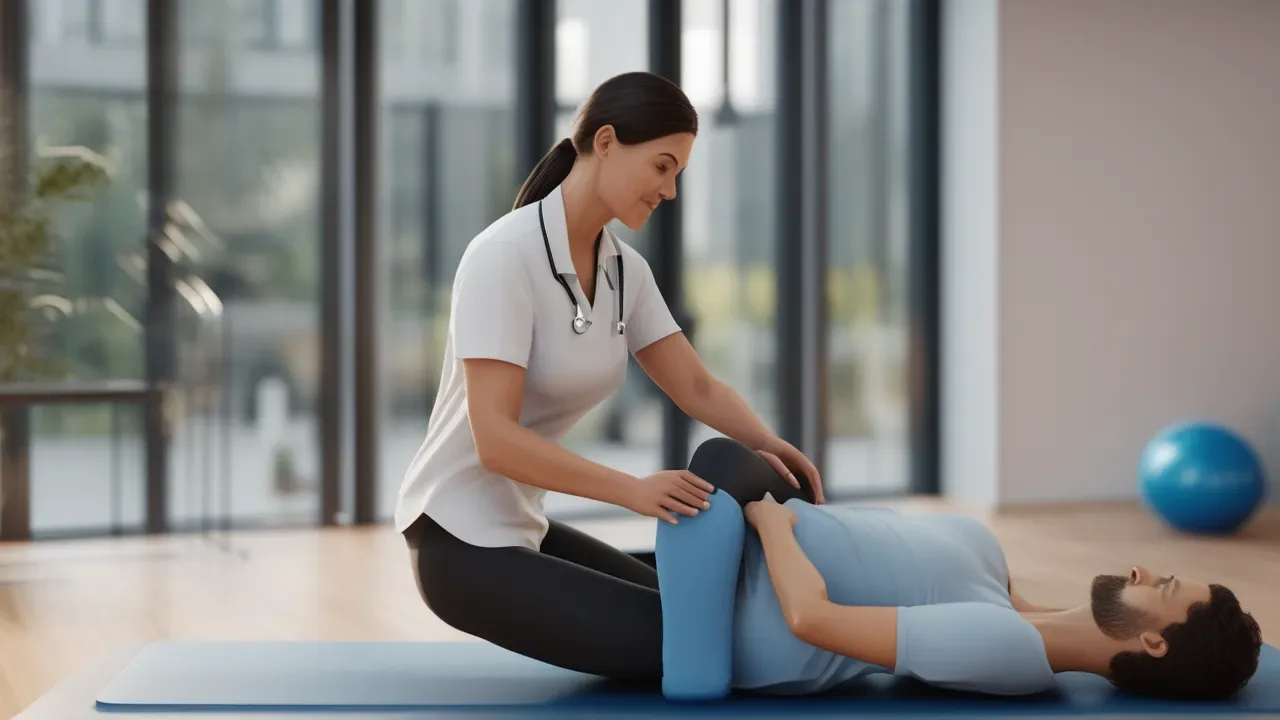
Vestibular rehabilitation proves particularly effective for several specific conditions. BPPV, the most common cause of vertigo, occurs when tiny calcium crystals in the inner ear become dislodged. Your physiotherapist can perform repositioning manoeuvres that guide these crystals back to their proper location, often providing immediate relief.
Vestibular neuritis and labyrinthitis involve inflammation of the inner ear structures, typically following a viral infection. These conditions can cause severe vertigo and imbalance that may last for weeks. A structured rehabilitation program helps your brain compensate for the damaged vestibular input, speeding recovery and reducing long-term symptoms.
Post-concussion dizziness is another area where vestibular physiotherapy excels. Many people experience persistent balance problems and dizziness following head injury, and concussion rehabilitation exercises can address these specific deficits alongside vestibular treatment.
How Dizziness Treatment Differs from General Physiotherapy
While vestibular rehabilitation shares some similarities with standard physiotherapy, it requires specialised training and equipment. Physiotherapists who provide balance disorder treatment have completed additional certification in vestibular assessment and rehabilitation techniques. They understand the complex interactions between the vestibular, visual, and proprioceptive systems that maintain balance.
Treatment sessions focus specifically on provoking and reducing dizziness symptoms in a controlled environment. Your physiotherapist might use infrared goggles to observe eye movements, balance equipment to challenge your stability, or specific head positioning techniques to treat BPPV. This specialised approach differs significantly from treatments like soft tissue manipulation or other manual therapy techniques.
What to Expect During Your Treatment Program
Most people begin to notice improvement within the first few sessions, though the complete program typically lasts between six to eight weeks. Initial sessions may temporarily increase your symptoms as your brain adapts to the exercises, but this is a normal part of the recovery process. Your physiotherapist will provide you with a home exercise program that's crucial for success—consistency is key.
During early treatment, you might need to modify certain activities or avoid situations that trigger severe symptoms. As you progress, you'll gradually return to normal activities with improved confidence and reduced dizziness. Many patients find that completing vestibular exercises for vertigo at home between sessions accelerates their recovery.
Measuring Progress
Your physiotherapist will regularly reassess your symptoms using standardised outcome measures. These might include the Dizziness Handicap Inventory, functional gait assessment, or dynamic visual acuity testing. Tracking your progress objectively helps ensure your treatment remains effective and allows adjustments to your program as needed.
When to Seek Vertigo Physiotherapy
You should consider vestibular rehabilitation if you experience recurring dizziness, vertigo, unsteadiness, or balance problems that interfere with daily activities. Warning signs include difficulty walking in dark environments, fear of falling, visual disturbances with head movement, or persistent feelings that you or your surroundings are moving.
Don't wait until symptoms severely impact your quality of life. Early intervention often leads to faster recovery and prevents the development of compensatory movement patterns that can complicate treatment. While some people wonder whether chiropractic or physiotherapy is more appropriate, vestibular disorders specifically benefit from the targeted approach physiotherapists provide.
Combining Vestibular Rehabilitation with Other Treatments
Vestibular therapy often works best as part of a comprehensive treatment plan. Depending on your diagnosis, your physiotherapist may coordinate care with your GP, ear nose and throat specialist, or neurologist. Some conditions require medication management alongside rehabilitation, while others benefit from dietary modifications or lifestyle changes.
For older adults experiencing balance problems, vestibular rehabilitation might be combined with fall prevention strategies to address multiple risk factors simultaneously. This integrated approach ensures all aspects of your balance system receive appropriate attention.
Getting Started with Your Recovery
Taking the first step toward addressing your dizziness or balance problems can feel overwhelming, but vestibular rehabilitation offers a proven pathway to recovery. Your physiotherapist will work with you to develop a personalised treatment plan that addresses your specific symptoms, goals, and lifestyle needs. With commitment to your home exercise program and regular therapy sessions, most people achieve significant improvement in their symptoms and quality of life.
If you're tired of living with dizziness, vertigo, or balance problems, vestibular rehabilitation may be the solution you've been seeking. Contact a qualified physiotherapist with vestibular training to begin your assessment and start your journey toward steady, confident movement once again.
Ready to Get Help?
Book an appointment with one of our experienced Physiotherapy professionals across South West Sydney.
Book an AppointmentMedical Disclaimer
This article is intended for general informational and educational purposes only. It does not constitute medical advice and is not a substitute for professional diagnosis, treatment, or advice from a qualified healthcare provider. Always consult a registered physiotherapist, chiropractor, or other appropriate healthcare professional before starting any new treatment or exercise programme.