 (02) 9726 4491
Why Knee Strengthening Gets Harder After Surgery (2025 Recovery Guide)

Clinically reviewed by Matthew Calabrese, Physiotherapist · Australian Health Practitioner Regulation Agency (AHPRA). This article is general information, not a substitute for an individual assessment.
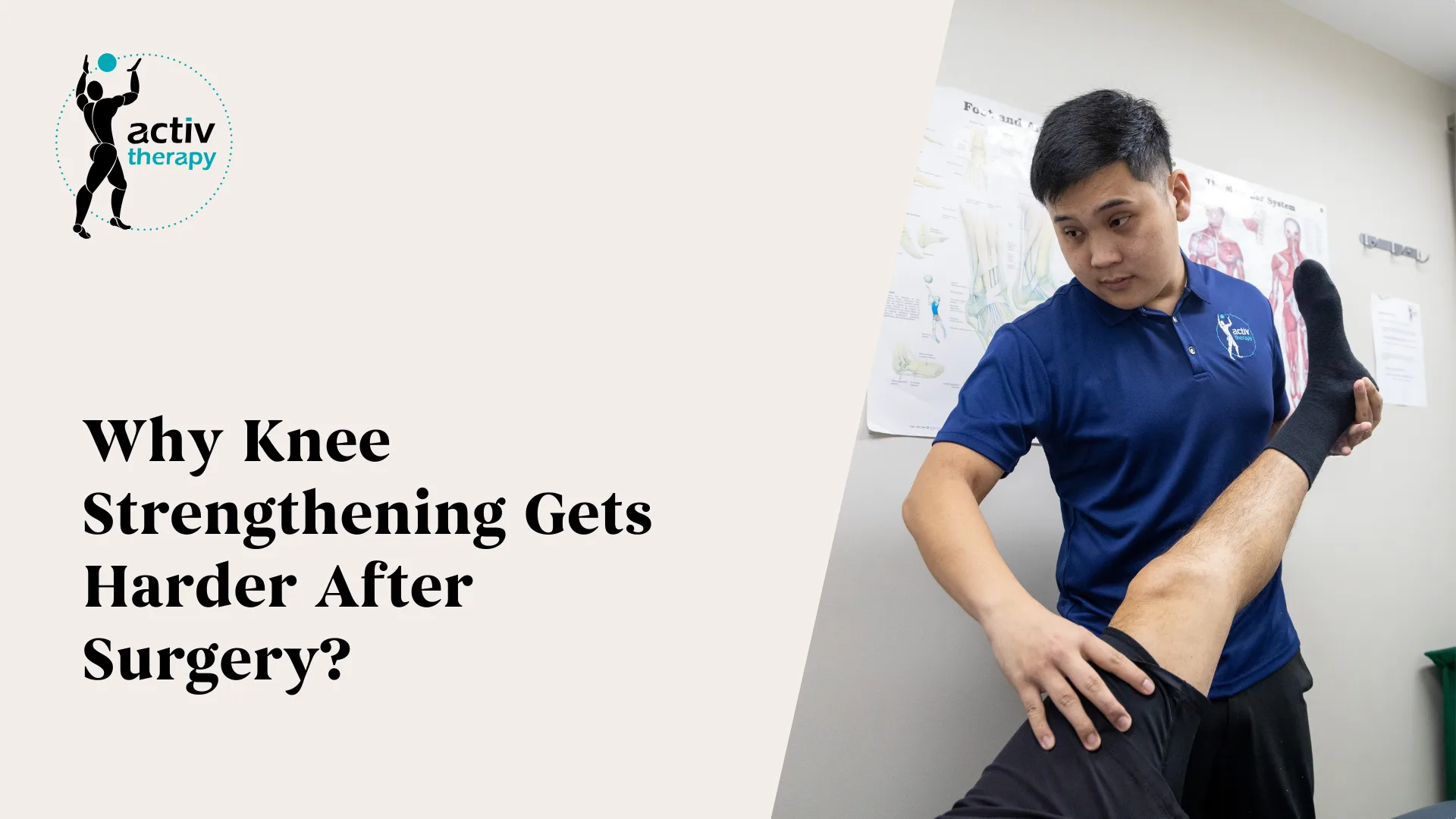
Knee surgery presents a unique paradox: while designed to repair and improve joint function, it often creates temporary obstacles to strength recovery. The phenomenon known as "quad shutdown"—where the quadriceps muscle becomes inhibited following surgery—represents just one of several complex challenges patients face during rehabilitation. This neuromuscular disruption, combined with factors like post-operative swelling and protective pain responses, can make seemingly simple exercises feel surprisingly difficult. Understanding these physiological barriers and their evidence-based solutions is essential for anyone navigating the path to post-surgical knee recovery.
Understanding Post-Surgery Muscle Inhibition
The phenomenon of post-surgery muscle inhibition presents a significant challenge for knee surgery patients, particularly affecting the quadriceps muscle group. While relatively rare, occurring in less than 5% of cases, quadricep muscles can experience a condition known as "quad shutdown," where patients struggle to contract these essential muscles effectively. This inhibition mechanism stems from complex neurological responses to surgical intervention and subsequent healing processes.
The primary factor contributing to muscle inhibition following knee surgery is swelling within the joint. This inflammation triggers a cascade of neural responses, leading to arthrogenic muscle inhibition—a protective mechanism where the brain reduces its ability to activate the quadricep muscles. Additionally, various factors can compound this inhibition, including post-operative pain, psychological fear of movement, and the lingering effects of nerve blocks used during surgery.
Recovery from muscle inhibition requires a comprehensive approach through physiotherapy interventions. Medical professionals typically employ electrical stimulation techniques to reestablish the neural connection between the brain and quadricep muscles. This treatment, combined with a structured strengthening programme, helps "wake up" the dormant muscle fibres. Specific exercises, including heel slides, straight leg raises, and terminal knee extensions, are prescribed to rebuild strength gradually. Additionally, maintaining a high-protein diet supports muscle recovery and regeneration during this critical rehabilitation phase.
Common Barriers to Knee Recovery
Recovering from knee surgery involves navigating several physiological and neurological obstacles that can impede the rehabilitation process. Among the most critical barriers patients face is quadriceps muscle inhibition, a neural shutdown response that affects a small percentage of post-operative patients, making it exceptionally challenging to contract these essential muscles effectively.
A primary concern following knee replacement surgery is the presence of joint swelling, which directly interferes with proper quadriceps activation. This swelling-induced weakness creates a cycle that restricts both knee extension and the ability to build quad strength. Additionally, arthrogenic muscle inhibition emerges when pain and inflammation disrupt normal neuromuscular patterns, further compromising the recovery trajectory.
The psychological impact of knee pain and surgical intervention cannot be understated. Fear responses can trigger protective mechanisms that inhibit proper muscle function, while residual effects from surgical nerve blocks may temporarily impair quadriceps activation. These neural factors, combined with physical barriers, create a complex web of challenges for patients working to restore their knee function.
Another critical obstacle is the occurrence of post-surgical hamstring spasms. These involuntary muscle contractions pull the knee into a flexed position, making it particularly difficult to achieve full extension—a crucial component of successful rehabilitation. This mechanical impediment, coupled with the neurological barriers, can significantly slow the progress of strengthening exercises and overall recovery, requiring careful attention and management throughout the rehabilitation process. Understanding these challenges is essential, particularly for patients undergoing post-surgical recovery protocols designed to optimise outcomes.
Pain Management During Exercise
Effective pain management during knee rehabilitation exercises involves three essential components: appropriate medication timing, strategic ice therapy, and careful activity modification. These elements work together to create an environment where patients can perform necessary strengthening exercises while minimising discomfort and preventing setbacks in their recovery journey.
Pain medication, when taken at the right time, can provide the necessary relief to complete prescribed exercises effectively. Patients should coordinate with their healthcare providers to determine the ideal timing of pain medication in relation to their physiotherapy sessions. This strategic approach helps maintain a balance between pain control and the ability to gauge exercise intensity appropriately.
Ice therapy plays a pivotal role in managing exercise-related inflammation. Applying ice packs before and after knee exercises helps reduce swelling and minimise post-activity soreness. This preventive measure enables patients to maintain consistency in their rehabilitation programme while managing discomfort levels effectively.
The intensity and duration of knee exercises must be carefully calibrated based on individual pain responses. Physiotherapy professionals work with patients to establish appropriate exercise parameters that challenge the knee without causing excessive pain. Regular communication between patient and physiotherapist is critical for making necessary adjustments to the exercise programme. When patients report their pain levels honestly, physiotherapists can modify the rehabilitation plan to ensure optimal progress while preventing overexertion. For patients dealing with chronic discomfort during recovery, implementing proven joint pain relief strategies can complement traditional rehabilitation approaches.
Through proper pain management strategies, patients can gradually increase the intensity of their knee strengthening exercises, leading to better outcomes in their post-surgical recovery process.
Proper Exercise Form Matters
Maintaining precise exercise form serves as a cornerstone of successful knee rehabilitation after surgery. When patients rush through exercises or perform them incorrectly, they risk compromising their recovery progress and potentially creating new complications. The alignment and positioning of the knee joint during therapeutic exercises directly impact which muscle groups are engaged and how effectively they respond to strengthening efforts.
Following knee surgery, patients must work closely with their physiotherapy team to master proper exercise techniques. This collaborative approach ensures that movements are executed correctly and that the appropriate load is applied at each rehabilitation stage. Physiotherapists carefully monitor joint positioning and help patients maintain proper form while gradually increasing the range of motion and resistance levels.
A critical aspect often overlooked is the role of core and hip stability in knee rehabilitation. These supporting muscle groups provide the foundation for proper knee mechanics during exercises. Without adequate attention to these areas, patients may develop compensatory movements that can hinder progress and potentially lead to secondary issues. Implementing targeted balance training techniques can strengthen these stabilising muscles and improve overall rehabilitation outcomes.
The relationship between proper form and exercise progression is particularly essential post-surgery. Attempting to increase weight or resistance before achieving full range of motion can place excessive stress on the healing joint. This premature progression often results in poor form and reduced exercise effectiveness. By maintaining strict attention to proper technique and following the guidance of physiotherapy professionals, patients can maximise their rehabilitation outcomes while minimising the risk of setbacks or reinjury.
Timeline for Muscle Rebuilding
The path to muscle recovery after knee surgery follows a predictable yet challenging timeline. In the initial fortnight post-surgery, patients typically experience a significant 20-30% decline in muscle strength, primarily due to disuse atrophy. This early muscle loss can be concerning for patients, but it's a normal part of the recovery process that requires patience and commitment.
The first critical milestone involves regaining knee extension, which creates the foundation for effective quadriceps strengthening. Without proper extension, muscle recovery becomes extremely challenging. During the first 8-12 weeks, patients focus on progressive resistance training to rebuild their muscles, particularly the quadriceps, which are essential for knee stability and function.
The recovery journey continues well beyond the initial months. While basic muscle size and strength may return within three months, achieving optimal function requires sustained effort. Progressive resistance training remains crucial throughout the first 3-6 months post-surgery, as muscles gradually adapt and strengthen. Patients working through replacement surgery recovery must understand that maximum muscle rehabilitation often takes 6-12 months.
This extended timeline reflects the body's natural healing process and the methodical approach required for proper muscle rebuilding. Physiotherapy sessions, combined with consistent home exercises, help patients progress through each phase of recovery. Success depends on following the prescribed rehabilitation protocol, maintaining patience during the process, and understanding that muscle strength returns gradually rather than immediately. This systematic approach helps ensure optimal long-term outcomes and reduces the risk of complications.
Best Strengthening Exercise Progressions
Successful knee strengthening after surgery requires a carefully structured exercise progression that builds upon each recovery phase. Beginning with controlled, low-impact exercises helps establish a foundation for rebuilding strength while protecting the healing joint. Initial exercises focus on restoring knee range of motion through gentle leg presses and quadriceps extensions, which can be safely performed under supervision or as exercises at home.
As patients demonstrate improved stability and basic strength gains, the rehabilitation programme advances to incorporate resistance-based training. This phase introduces tools like resistance bands, ankle weights, and light dumbbells to strengthen muscles more effectively. Exercise machines, including leg curl and extension equipment, provide regulated environments to target specific muscle groups while maintaining proper form.
The progression then shifts toward functional movements that better simulate daily activities. Standing exercises and single-leg movements become essential during this phase, as they engage both the primary knee muscles and supporting muscle groups. These exercises enhance balance, stability, and overall leg strength while preparing patients for more demanding activities. For comprehensive muscle development, incorporating resistance exercises that combat muscle atrophy can accelerate recovery and prevent future weakness.
Throughout the strengthening journey, the key principle is gradual progression in both exercise complexity and resistance levels. This measured approach ensures that muscles develop properly without compromising the surgical site or surrounding tissues. By systematically increasing exercise difficulty and load, patients can build strength while maintaining proper motion patterns, ultimately achieving the best possible recovery outcomes. Regular assessment and adjustment of exercise intensity help maintain steady progress while minimising the risk of setbacks.
Avoiding Compensation Patterns
After knee surgery, patients often fall into unconscious movement patterns that compensate for pain or weakness in the surgical leg. These compensatory movements, such as limping or hip hiking, may provide temporary relief but can lead to serious long-term consequences if not addressed promptly. The body's natural tendency to protect the surgical knee can create harmful biomechanical changes that affect both legs and overall mobility.
Recovery from knee surgery requires vigilant attention to these compensation patterns. When patients favour their non-surgical leg, they risk developing osteoarthritis and other complications in the healthy knee due to excessive stress. A physiotherapist plays an essential role in identifying and correcting these compensatory movements through specialised techniques like biofeedback, mirror therapy, and verbal cueing.
Exercises to improve strength must be performed with equal emphasis on both legs to prevent muscle imbalances. The physiotherapist will closely monitor form and technique during rehabilitation exercises to ensure patients maintain proper alignment and movement patterns. This symmetric approach helps restore normal biomechanics and prevents the development of compensatory habits that could impede recovery. Similar principles apply to patients requiring mobility aid training, where proper technique prevents harmful compensation strategies.
Throughout rehabilitation, patients must remain mindful of their movement patterns and actively work to maintain proper form. As strength improves and pain decreases, there's still a risk of falling back into compensatory movements. Regular assessment and adjustment of exercise techniques ensure that progress continues without developing harmful movement patterns that could compromise long-term recovery outcomes.
Building Mental Exercise Confidence
Mental preparation plays a pivotal role in successful knee rehabilitation, extending far beyond physical exercises alone. Through visualisation and mental practice, patients can significantly enhance their recovery process, particularly when rebuilding strength and confidence in their quadriceps muscles after surgery. This mental component becomes especially vital during post-knee replacement exercises, as it helps patients overcome psychological barriers that may impede their progress.
Research demonstrates that incorporating mental rehearsal into an exercise program activates the same neural pathways used during physical movement. This activation helps patients maintain and strengthen these pathways, even when physical activity is limited. For patients working to achieve full range of motion, dedicating 5-10 minutes daily to mental practice can complement their physical therapy regimen, leading to enhanced outcomes compared to traditional rehabilitation methods alone.
Mental exercises particularly benefit patients struggling with range of motion limitations by reducing anxiety about reinjury. By visualising successful movement patterns and positive outcomes, patients can build confidence in their ability to perform exercises correctly. This heightened confidence often translates into better physical performance during actual therapy sessions. The combination of mental and physical practice creates a comprehensive approach to rehabilitation, addressing both the psychological and physiological aspects of recovery.
Studies confirm that patients who engage in both mental and physical practice show greater improvements in strength, function, and overall recovery compared to those focusing solely on physical rehabilitation. This integrated approach accelerates healing and helps patients achieve their rehabilitation goals more effectively.
Managing Post-Exercise Swelling
While mental preparation sets the foundation for successful rehabilitation, the physical challenge of managing post-exercise swelling directly impacts strength recovery after knee surgery. The body's natural inflammatory response following exercises can significantly impair quadriceps function through a mechanism known as arthrogenic muscle inhibition, a neural reflex that compromises muscle activation and slows recovery progress.
During outpatient therapy sessions, patients often experience increased swelling that can persist for a considerable amount of time if not properly managed. This swelling interferes with the brain's ability to fully engage the quadriceps muscle, making subsequent strengthening exercises less effective. When patients continue exercising without addressing the swelling, they risk reinforcing this inhibition pattern, potentially extending their recovery timeline significantly.
Physical therapists employ various strategies to combat swelling-related complications in knee injuries. The traditional RICE protocol (rest, ice, compression, and elevation) remains fundamental after exercise sessions. Additionally, specialised interventions such as electrical stimulation and biofeedback techniques help rebuild the neural pathways between the brain and quadriceps muscle, counteracting the effects of swelling-induced inhibition. Implementing proven soft tissue manipulation techniques can further reduce inflammation and restore optimal muscle function.
Successful rehabilitation requires a careful balance between progressive strengthening and swelling management. Patients must monitor their post-exercise response and implement appropriate swelling control measures before proceeding with their next therapy session. This proactive approach helps maintain optimal muscle activation capabilities, ensuring that each strengthening session contributes effectively to the recovery process rather than reinforcing negative compensation patterns.
Keys to Long-Term Success
Achieving long-term success following knee surgery requires three fundamental components: consistent quadriceps activation, adherence to prescribed rehabilitation protocols, and regular medical oversight. These elements form the foundation of effective recovery and determine whether patients regain full function or experience ongoing limitations.
Overcoming quadriceps muscle inhibition stands as a primary challenge in post-surgical recovery. Patients must commit to a structured program that combines targeted exercises with electrical stimulation techniques to reestablish proper muscle function. This approach, when implemented consistently, helps break through activation barriers and promotes sustained strength gains that last beyond the initial recovery period.
Pre-habilitation exercises play an essential role in setting the foundation for successful recovery. By strengthening the quadriceps before surgery, patients create a muscular reserve that aids in post-operative rehabilitation. This proactive approach minimises strength losses and accelerates the return to normal function, giving patients a significant advantage during the challenging early weeks of recovery.
A comprehensive rehabilitation plan must address multiple factors simultaneously. Physiotherapists design personalised protocols that target not only muscle strengthening but also manage knee swelling, pain control, and psychological barriers. Success depends on patient dedication to following these prescribed routines and maintaining regular communication with healthcare providers throughout the entire recovery journey.
Regular follow-up appointments with orthopaedic specialists ensure progress stays on track and allow for timely adjustments to the rehabilitation strategy. These check-ins help identify and address potential complications before they impact recovery. Monitoring progress through objective measurements and functional assessments provides concrete evidence of improvement and helps maintain patient motivation throughout the rehabilitation journey. This systematic approach, combining professional oversight with patient commitment, establishes the framework for optimal long-term outcomes and successful return to daily activities.
Conclusion
Post-surgical knee strengthening presents complex challenges stemming from arthrogenic muscle inhibition and neuromuscular disruption. Successful rehabilitation requires a comprehensive approach addressing pain management, swelling control, and proper exercise progression through evidence-based physiotherapy protocols. Through consistent adherence to prescribed treatments, attention to proper form, mental preparation, and systematic strengthening programmes, patients can overcome quadriceps inhibition and restore full function. Long-term success depends on patience, professional guidance, and commitment to the complete 6-12 month recovery timeline.
Ready to Get Help?
Book an appointment with one of our experienced Physiotherapy professionals across South West Sydney.
Book an AppointmentMedical Disclaimer
This article is intended for general informational and educational purposes only. It does not constitute medical advice and is not a substitute for professional diagnosis, treatment, or advice from a qualified healthcare provider. Always consult a registered physiotherapist, chiropractor, or other appropriate healthcare professional before starting any new treatment or exercise programme.