 (02) 9726 4491
10 Best Exercises After Knee Replacement Surgery (2025 Guide)

Clinically reviewed by Matthew Calabrese, Physiotherapist · Australian Health Practitioner Regulation Agency (AHPRA). This article is general information, not a substitute for an individual assessment.
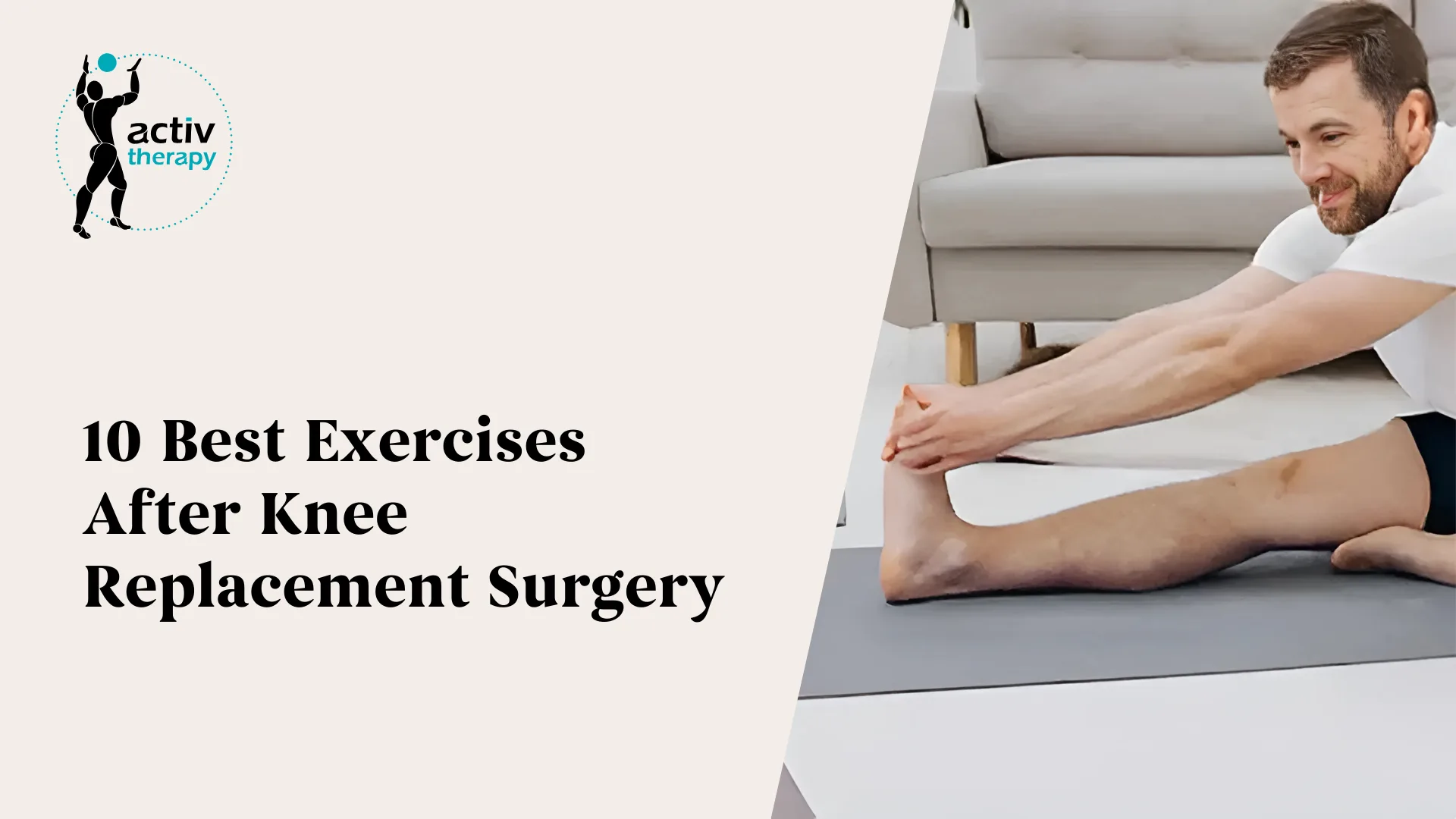
After knee replacement surgery, patients face the vital task of rehabilitation to restore function and mobility. While recovery requires patience and commitment, a well-structured exercise programme can significantly improve outcomes and speed up the return to daily activities. Medical practitioners have identified specific exercises that effectively target key muscle groups while protecting the new joint. Understanding these essential movements and implementing them correctly under proper guidance can make the difference between a challenging recovery and one that progresses smoothly toward full independence.
Two Critical Early-Stage Exercises: Quadriceps Sets and Ankle Pumps
Two critical exercises you'll begin within 24 hours after knee replacement surgery are quadriceps sets and ankle pumps. These fundamental movements play a pivotal role in your recovery by improving circulation, preventing dangerous blood clots, and maintaining muscle strength during the initial post-operative period when mobility is most limited.
Quadriceps sets focus on strengthening the large thigh muscles that directly support your knee joint. To perform this exercise correctly, tighten your thigh muscles while straightening your knee, holding the position for 5-10 seconds before releasing. This controlled contraction helps prevent muscle atrophy and promotes better blood flow to the surgical area, which is essential for healing and reducing post-operative swelling.
Ankle pumps involve rhythmically flexing and pointing your foot, engaging both your calf and shin muscles. This simple yet powerful exercise is particularly important for preventing deep vein thrombosis (blood clots) and maintaining circulation in your lower leg during periods of reduced mobility. Though these exercises may initially cause some discomfort, they are non-negotiable for your rehabilitation process.
For optimal results, perform both exercises for 2-3 minutes, repeating them every hour while awake during the first few days post-surgery. Consistency is key to building strength and reducing post-operative complications. Continue these exercises throughout your recovery journey, gradually increasing duration as comfort allows. While they may seem basic, quadriceps sets and ankle pumps form the foundation of your rehabilitation program, preparing your leg for more advanced exercises later in recovery.
Straight Leg Raises for Quadriceps Strength
Straight leg raises serve as a strong building block in your post-operative recovery, helping rebuild strength and mobility after knee replacement surgery. This fundamental exercise specifically targets the quadriceps muscles, which are essential for proper knee function and stability during the rehabilitation process. By incorporating straight leg raises into your recovery routine within the first week post-surgery, you can effectively work towards restoring muscle strength and range of motion in your operated knee.
The exercise is performed by lying flat on your back with your non-operative leg bent for support, then lifting your straightened operative leg approximately 15-30 centimetres off the bed. Maintaining proper form is crucial—keep your leg completely straight with toes pointing toward the ceiling while performing the movement. Hold this elevated position for 5-10 seconds before slowly lowering your leg back to the starting position with control.
While you may experience some discomfort when first attempting straight leg raises after knee replacement surgery, this is a normal part of the recovery process and should gradually improve. If pain is significant, reduce the height of the lift or consult your physiotherapist for modifications.
To maximise the benefits of this exercise, perform 10-15 repetitions for 2-3 sets, repeating the routine 3-4 times throughout the day as part of your structured rehabilitation program. Your physiotherapist will guide you on the appropriate number of repetitions and sets based on your individual recovery progress. Regular practice of straight leg raises helps strengthen the leg muscles surrounding your new knee joint, which is crucial for long-term success after surgery. As you progress in your recovery journey, you may notice improvements in both the ease of performing the exercise and your overall knee function, indicating positive advancement in your rehabilitation goals.
Seated Knee Extensions for Range of Motion
Seated knee extensions represent a vital rehabilitation exercise following knee replacement surgery, specifically designed to strengthen the quadriceps muscles while improving range of motion in your new joint. This exercise can be performed either on a specialised leg extension machine at a physiotherapy clinic or modified using a sturdy chair at home, making it accessible throughout different stages of recovery.
When incorporating seated knee extensions into your post-surgery exercise routine, proper form is essential for optimal results and safety. Begin by sitting upright in a chair with your back supported and feet flat on the floor. Slowly extend one leg until it reaches a comfortable straightened position, hold for 3-5 seconds, then lower it back down with control. Your physiotherapist may recommend starting with no additional resistance and gradually progressing as your strength improves.
As part of a comprehensive rehabilitation program, seated knee extensions play a crucial role in rebuilding quadriceps strength needed for everyday activities such as walking, climbing stairs, and standing up from a seated position. To strengthen your muscles effectively, focus on maintaining proper posture throughout the movement while following your physiotherapist's guidance on repetitions and resistance levels. Typical progression involves performing 10-15 repetitions for 2-3 sets, gradually increasing as tolerated.
This knee replacement exercise should be introduced at an appropriate stage in your recovery journey, typically within the first 2-4 weeks post-surgery. When performed correctly and consistently, seated knee extensions help improve flexion and extension range of motion in the knee joint while building the strength necessary for long-term mobility and function. Regular practice, combined with other prescribed exercises, contributes significantly to a successful rehabilitation outcome and helps prevent the muscle loss that commonly occurs after surgery.
Wall Slides and Squats for Functional Strength
Building upon the foundation of strengthening exercises, wall slides and squats offer a controlled method for advancing knee rehabilitation after replacement surgery. These exercises specifically target key muscle groups including quadriceps, hamstrings, and gluteals while providing the stability and support needed during the recovery process, typically beginning 4-6 weeks post-surgery.
Wall slides are particularly effective for improving range of motion in the knee joint after knee replacement. By positioning yourself with your back against a wall and feet shoulder-width apart, you can gradually slide down into a partial squat position, then return to standing. The controlled movement helps rebuild strength while minimising stress on the surgical site. Focus on descending only as far as comfortable, typically aiming for a 45-degree knee bend initially.
Wall squats concentrate on strengthening the quadriceps and gluteal muscles, which are essential for knee stability and overall leg function. Using the wall as support allows patients to perform these exercises safely while maintaining proper form. The depth of the squat should be carefully monitored and limited to a range that feels comfortable, preventing excessive strain on the new knee joint.
For enhanced effectiveness, both exercises can be performed using an exercise ball placed between the back and wall. This modification engages the core muscles, providing additional support and stability during the movements. The ball also helps maintain proper posture and allows for smoother transitions throughout the exercise.
As with all post-operative exercises, it's important to progress gradually with wall slides and squats. Begin with 10 repetitions for 2 sets, gradually increasing to 15 repetitions for 3 sets as strength improves. These movements offer a safe and effective way to rebuild strength and mobility, making them valuable components of a comprehensive knee replacement rehabilitation programme. Regular practice helps restore confidence in the operated leg while improving overall function and stability needed for daily activities.
Stationary Bike for Low-Impact Cardio
Stationary cycling stands out as one of the most beneficial low-impact exercises for patients recovering from knee replacement surgery. This activity can typically be initiated within 3-6 weeks post-surgery once adequate range of motion is achieved (usually 90-100 degrees of flexion), making it an integral part of the mid-stage exercise routine. The controlled, circular motion helps patients work toward full recovery while minimising stress on your knee joint and surrounding tissues.
One of the primary advantages of stationary cycling is its ability to strengthen knee muscles, particularly focusing on quadriceps and hamstring development. The continuous pedalling motion engages the muscle groups effectively while simultaneously improving range of motion in the replaced joint. As part of a comprehensive exercise program, cycling provides cardiovascular benefits without compromising the surgical site's integrity or placing excessive load on the healing joint.
To ensure an effective outcome during recovery after knee replacement, patients should begin with brief 5-10 minute sessions on the exercise bike at minimal or zero resistance. The duration and resistance can be gradually increased by 2-3 minutes weekly as strength and comfort levels improve. Proper positioning is vital: the seat height should be adjusted to allow for a slight bend (approximately 10-15 degrees) in the knee at the bottom of the pedal stroke, promoting smooth, efficient movement without hyperextension.
For long-term success, stationary cycling can be seamlessly integrated with other strengthening exercises as part of your daily routine. This combination approach helps maintain overall fitness while supporting the knee's rehabilitation process. As patients progress in their recovery, they can extend their cycling sessions up to 20-30 minutes and gradually adjust resistance levels according to their physiotherapist's recommendations, ultimately contributing to improved mobility and enhanced joint function. Many patients find that incorporating structured strength training programmes alongside cycling accelerates their recovery outcomes.
Progressive Walking Programme for Endurance
As patients navigate their recovery from knee replacement surgery, a well-structured progressive walking programme serves as a cornerstone of rehabilitation. This essential exercise regimen helps rebuild strength, improve mobility, promote proper healing of the knee joint, and restore confidence in weight-bearing activities. During the initial phase of recovery, physiotherapy focuses on establishing a foundation for safe walking techniques using assistive devices such as a walker, crutches, or walking stick.
The progressive walking programme begins with short, manageable sessions starting from day one post-surgery. Patients should start with 5-10 minute walks performed 2-3 times daily using appropriate assistive devices for support and safety. As stability improves and pain decreases, the duration of each walking session gradually increases by 2-3 minutes per week. This measured progression allows the knee to adapt while building endurance and cardiovascular fitness without overwhelming the healing tissues.
By weeks 4-6 of recovery, patients typically work toward achieving 20-30 minute continuous walking sessions. During this phase, emphasis shifts to developing a smooth, natural gait pattern with proper heel-to-toe movement and equal weight distribution between both legs. As confidence grows and balance improves, patients transition away from walking aids under their healthcare provider's guidance, usually between weeks 4-8 post-surgery.
Walking becomes an integral part of the long-term recovery strategy, serving as a low-impact exercise that continues to strengthen the muscles supporting the knee joint. Regular walking not only enhances joint mobility but also promotes overall cardiovascular health and helps maintain healthy body weight, which reduces stress on the new joint. As patients progress through their rehabilitation, incorporating daily walks into their routine—gradually building to 30-45 minutes of continuous walking—helps maintain the benefits of their knee replacement surgery while supporting long-term joint function. Consider complementing your walking routine with balance training exercises to further reduce fall risk and improve stability.
Standing Calf Raises for Lower Leg Strength
Strength and stability form the foundation of successful knee replacement recovery, making standing calf raises an essential component of post-surgery rehabilitation. This targeted exercise specifically strengthens the calf muscles (gastrocnemius and soleus), which play a vital role in supporting the new joint and facilitating everyday movements after total knee replacement. By incorporating calf raises into your exercise routine starting around week 3-4 post-surgery, you can effectively build strength while improving balance and ankle stability.
Following joint replacement surgery, it's important to begin with double-leg calf raises using support from a countertop, chair, or wall for balance before progressing to more challenging single-leg variations. Start by performing three sets of 10-15 repetitions, ensuring proper form throughout the movement by rising onto your toes slowly and lowering with control. As you improve knee function and gain confidence, typically by weeks 8-12, gradually progress to single-leg raises and increase both the height of the raises and the number of repetitions.
To optimise results after total knee replacement, maintain a consistent practice of calf raises 4-5 times per week as part of your comprehensive exercise programme. When performing this exercise, be mindful of any knee pain and avoid excessive height or rapid movements that could compromise your recovery. The goal is to maintain proper knee alignment while focusing on controlled, steady movements that enhance stability and proprioception.
As part of an extensive rehabilitation program, calf raises contribute significantly to improving knee function and overall mobility. Regular practice helps prepare the lower body for more demanding activities like climbing stairs and extended walking periods, making it an invaluable exercise for long-term recovery success. Additionally, strong calf muscles help reduce the risk of compensatory movement patterns that can develop post-surgery, ensuring balanced lower limb function as you progress through your rehabilitation journey.
Bridge Exercises for Posterior Chain Activation
Bridge exercises stand out as a pivotal component of knee replacement rehabilitation, effectively targeting the gluteal muscles and hamstrings that provide essential support for the new joint. These exercises help build strength in key muscles that may have weakened during the pre-operative period and recovery phase, particularly the hip extensors which are crucial for maintaining knee stability and proper movement mechanics. As your operated knee begins to heal, typically around week 2-3 post-surgery, bridges become a paramount part of rebuilding lower body strength and function.
To perform a basic bridge exercise correctly, lie on your back on a comfortable surface with your upper body relaxed, arms at your sides, and knees bent with feet flat on the floor hip-width apart. Push through your heels whilst engaging your core muscles and gluteals, then lift your hips off the ground until your body forms a straight line from shoulders to knees. It's important to maintain proper form by avoiding excessive back arching, which can compromise the exercise's effectiveness and potentially cause discomfort. Hold the top position for 3-5 seconds before slowly lowering back down.
As your muscles improve and become stronger, typically after 6-8 weeks post-surgery, you can progress to more challenging variations. One such progression is the single-leg bridge, where one leg feels the full workload while the other remains elevated or extended. This variation is particularly beneficial for addressing strength imbalances between the operated knee and the unaffected side, which commonly develop during the recovery period.
Start with 2 sets of 10 repetitions for basic bridges, gradually progressing to 3 sets of 15 repetitions as your strength develops. Remember to breathe steadily throughout the movement—exhale during the lift and inhale during the descent—and maintain control during both phases. Regular practice of bridge exercises, combined with other rehabilitation movements, helps ensure optimal recovery and long-term joint stability after knee replacement surgery. Many patients find that combining bridges with targeted resistance training accelerates their return to functional activities.
Step-Ups and Balance Training for Functional Independence
Step-ups and balance training exercises serve as cornerstones in the later-stage rehabilitation process following knee replacement surgery, typically introduced 8-12 weeks post-operatively. As a key part of recovery from knee surgery, step-ups help strengthen the quadriceps, hamstrings, and gluteal muscles while simultaneously improving overall stability and functional movement patterns needed for stairs, curbs, and uneven surfaces. These exercises can be performed using a sturdy step or low bench (starting at 10-15cm height), with patients gradually increasing the height and speed as their strength and confidence develop.
One of the most effective approaches for comprehensive rehabilitation involves incorporating both lateral and forward step-ups into the routine. This variation targets different muscle groups and movement planes, ensuring well-rounded leg strength development and improved coordination. Begin with forward step-ups, placing your operative leg on the step and pushing through the heel to lift your body weight upward. To enhance the effectiveness of step-ups as you progress, patients can advance to holding light weights (1-2kg dumbbells) or using resistance bands, which adds an important component to the strengthening process and prepares the knee for real-world demands.
Balance training forms an equally necessary component of post-operative rehabilitation, addressing the proprioceptive deficits that commonly occur after knee surgery. This aspect of recovery helps improve proprioception—the body's awareness of position and movement—which is often compromised after knee replacement due to the disruption of joint receptors during surgery. Simple exercises like standing on one leg (starting with 10-15 second holds) help rebuild balance and confidence, whilst more advanced options such as using a BOSU ball, foam pad, or performing tandem stance can further challenge stability once basic balance is mastered.
For optimal results, patients should perform these exercises 3-4 times per week under the guidance of their physiotherapist, who can ensure proper form, appropriate progression, and safety. Start with 2 sets of 8-10 repetitions for step-ups, gradually building to 3 sets of 12-15 repetitions. The combination of step-ups and balance training creates a comprehensive approach to rehabilitation, helping patients regain strength, stability, and confidence in their new knee joint whilst reducing fall risk and improving quality of life. Incorporating proper mobility aid training during the earlier stages can help prepare you for these more advanced exercises.
Swimming and Aquatic Therapy for Joint-Friendly Exercise
While many post-operative exercises focus on land-based activities, swimming and water exercises offer unique therapeutic benefits for patients recovering from knee replacement surgery. The buoyancy of water provides natural support for the body, significantly reducing stress on the new knee joint to approximately 50% of body weight when standing waist-deep, while allowing patients to safely improve their range of motion and build muscle strength in a controlled environment.
Most orthopaedic surgeons recommend starting water-based exercises between 3-6 weeks post-surgery, once the surgical incision has fully healed and there is no risk of infection. The low-impact nature of aquatic activities makes them particularly effective for helping you recover without risking damage to the surgical site or experiencing excessive joint stress. Activities such as water walking (forward, backward, and sideways), gentle jogging, leg kicks, and pool-based cycling motions can be gradually incorporated into your rehabilitation routine, promoting better mobility and confidence in everyday activities whilst building endurance.
The warm water environment (ideally 28-32°C) serves multiple therapeutic purposes during recovery. It helps reduce swelling around the new knee joint through improved circulation, alleviates post-operative discomfort through gentle warmth and hydrostatic pressure, and creates an ideal setting for bending your knee with less pain and resistance than on land. The water's natural resistance also provides a perfect medium for strengthening exercises without requiring additional equipment or weights.
As patients progress in their recovery, typically after 8-12 weeks post-surgery, they can advance to more challenging exercises like swimming laps using various strokes (particularly breaststroke and freestyle), participating in structured water aerobics classes designed for joint rehabilitation, or performing deeper water exercises that further challenge balance and coordination. These activities help rebuild cardiovascular fitness while maintaining joint protection and can be continued long-term as part of a healthy lifestyle.
Water exercises provide an extensive approach to rehabilitation, combining strength training, flexibility work, and cardiovascular conditioning in a single, joint-friendly environment with reduced fall risk. This makes aquatic therapy an invaluable component of post-knee replacement recovery, helping patients return to their desired level of physical activity with greater comfort and confidence whilst maintaining the health and longevity of their new joint. Many patients find that combining aquatic therapy with soft tissue manipulation helps address any remaining muscle tightness and improves overall mobility.
Top 5 Mistakes to Avoid After Knee Replacement
Understanding what to avoid is just as important as knowing which exercises to perform during your knee replacement recovery. The most common mistake patients make is doing too much too soon, which can lead to increased swelling, pain, and potential damage to the surgical site. It's essential to follow your prescribed exercise progression and resist the temptation to skip ahead, even when feeling good.
The second critical mistake is skipping prescribed exercises or performing them inconsistently. Your rehabilitation programme is carefully designed to rebuild strength and mobility in a specific sequence. Missing sessions or irregular practice significantly delays recovery and may result in long-term functional limitations. Aim to complete your exercises at the same time each day to establish a consistent routine.
Third, many patients use improper form during exercises, which reduces effectiveness and increases injury risk. Always prioritise quality over quantity—performing 10 repetitions with correct form is far more beneficial than 20 repetitions done poorly. If you're unsure about proper technique, consult your physiotherapist before continuing.
The fourth mistake involves ignoring pain signals. While some discomfort during exercises is normal, sharp pain, significant swelling, or pain that persists for hours after exercise indicates you may be overdoing it. Learn to distinguish between therapeutic discomfort and warning signs that require modification or rest.
Finally, neglecting balance and proprioception training represents a significant oversight in many recovery programmes. These exercises are crucial for preventing falls and restoring confidence in movement. Incorporate balance activities progressively throughout your rehabilitation to ensure comprehensive recovery and long-term joint success.
Ready to Get Help?
Book an appointment with one of our experienced Physiotherapy professionals across South West Sydney.
Book an AppointmentMedical Disclaimer
This article is intended for general informational and educational purposes only. It does not constitute medical advice and is not a substitute for professional diagnosis, treatment, or advice from a qualified healthcare provider. Always consult a registered physiotherapist, chiropractor, or other appropriate healthcare professional before starting any new treatment or exercise programme.