 (02) 9726 4491
10 Best Exercises for Stress Relief: Physiotherapy Techniques That Work

Clinically reviewed by Janice Li, Physiotherapist · Australian Health Practitioner Regulation Agency (AHPRA). This article is general information, not a substitute for an individual assessment.
Modern men face unprecedented levels of physical and mental stress, often manifesting as chronic tension, postural problems, and anxiety. Evidence-based physiotherapy exercises for stress relief provide targeted solutions that address both body and mind. From specialised massage approaches to breathing therapy, these therapeutic interventions deliver genuine relief while tackling underlying muscular and nervous system imbalances.
Remedial Deep Tissue Massage
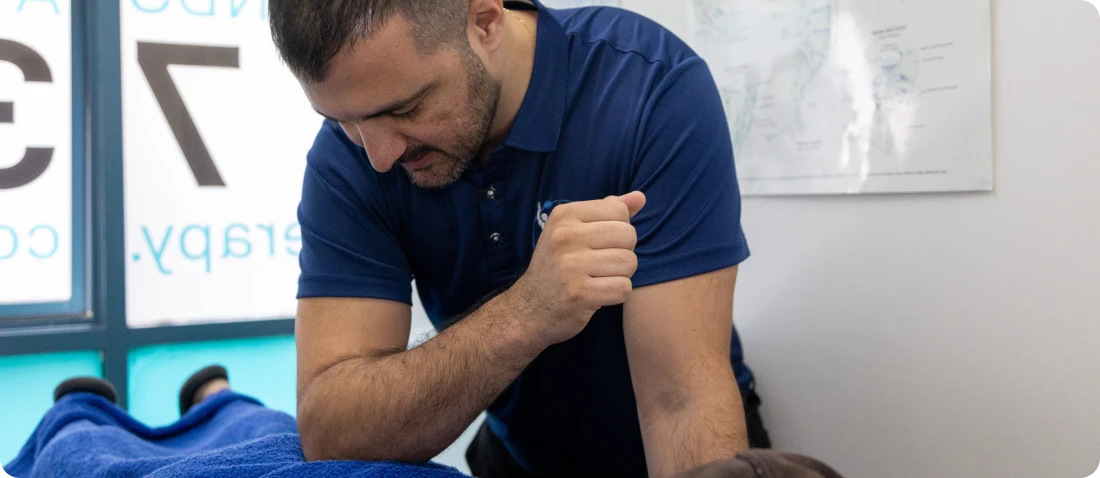
Through targeted manipulation of deeper muscle layers and connective tissues, therapeutic deep tissue massage provides significant relief from chronic tension and stress-related muscular problems. This specialised technique employs sustained pressure and slow strokes to reach the subfascial and deeper muscle layers, effectively addressing persistent knots and adhesions that develop from prolonged stress and physical strain.
The process begins with warming up the superficial muscles before progressing to targeted muscle release techniques. Practitioners use their fingers, knuckles, and elbows to apply concentrated pressure along the muscle fibres, breaking down scar tissue and releasing trapped tension. This methodical approach helps restore proper muscle function and improves circulation throughout the treated areas.
Soft tissue manipulation forms a crucial component of deep tissue massage, focusing on the fascia—the fibrous layer surrounding muscles and organs. Through specific movements and sustained pressure, therapists can release fascial restrictions that often contribute to chronic pain and limited mobility. This technique proves particularly effective for individuals dealing with work-related postural issues or stress-induced muscle tension.
While more intense than traditional massage, deep tissue work should never cause excessive discomfort. Clients typically experience immediate relief following treatment, with benefits including reduced muscle tension, improved range of motion, and decreased stress levels. Regular sessions help maintain these improvements and prevent the recurrence of chronic tension patterns, making it a valuable tool for stress management and physical wellbeing.
Active Release Technique
While deep tissue massage targets general muscle tension, Active Release Technique (ART) offers a more specialised approach to treating specific soft tissue dysfunction. This patented technique combines precisely directed tension with specific patient movements to address adhesions, scar tissue, and restricted muscle mobility. During ART sessions, practitioners use their hands to evaluate the texture, tightness, and mobility of soft tissues while identifying areas of restriction.
The treatment involves fascial mobility enhancement through targeted pressure applied to affected areas while patients perform specific movements. These movements help break up restrictive bands of tissue that have formed between muscles and nerves. ART practitioners work systematically through more than 500 specific protocols designed to address various musculoskeletal conditions and movement patterns.
A key component of ART is neuromuscular re-education, which helps restore proper movement patterns and reduces compensation mechanisms that may have developed due to injury or repetitive stress. The technique is particularly effective for conditions such as carpal tunnel syndrome, tennis elbow, shoulder impingement, and various repetitive strain injuries common in office workers and athletes.
Treatment sessions typically last 15-30 minutes and may cause temporary discomfort as adhesions are released. Most patients report immediate improvements in range of motion and decreased pain following treatment. For optimal results, ART is often combined with targeted exercises and movement modifications to prevent the recurrence of soft tissue restrictions and maintain long-term mobility improvements.
Trigger Point Dry Needling
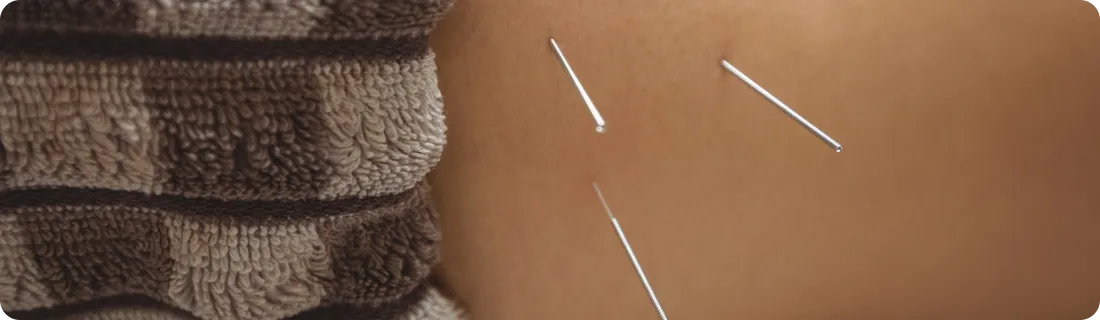
Trigger Point Dry Needling represents a specialised physiotherapy intervention that targets myofascial trigger points using thin monofilament needles. This evidence-based technique involves inserting needles directly into taut muscle bands, releasing tension and promoting healing through a controlled micro-trauma response. When combined with electrical stimulation techniques, the treatment can enhance muscle recovery and pain reduction.
The procedure begins with a thorough assessment to identify specific trigger points causing pain and restricted movement. Physiotherapists carefully insert sterile needles into these areas, often combining the treatment with instrument-assisted soft tissue mobilisation to maximise therapeutic benefits. The needles may be left in place for varying durations, depending on the treatment protocol and individual patient needs.
The mechanism behind dry needling involves both mechanical and neurophysiological effects. The needle insertion stimulates a local twitch response, which helps reset muscle tone and improve blood flow to the affected area. This process can effectively address chronic muscle tension, reduce inflammation, and enhance range of motion. When integrated with other physiotherapy modalities, dry needling has shown significant success in treating stress-related muscular conditions.
While some patients may experience mild soreness for 24-48 hours post-treatment, the long-term benefits often include decreased muscle tension, improved flexibility, and reduced stress levels. The technique is particularly effective for treating workplace-related muscular tension, sports injuries, and chronic stress patterns that manifest in the musculoskeletal system. Regular sessions can lead to sustained improvement in muscle function and overall stress reduction.
Progressive Muscle Relaxation
Progressive Muscle Relaxation stands as a systematic physiotherapy technique that effectively reduces physical and mental tension through controlled muscle engagement and release. This method involves deliberately tensing specific muscle groups for 5-10 seconds, followed by complete relaxation for 15-20 seconds, working systematically through the body from head to toe or vice versa. The practice creates awareness of the distinction between tension and relaxation states, enabling practitioners to identify and release unconscious muscle tension.
Similar to mindfulness meditation, this technique requires focused attention on bodily sensations and breath control. Practitioners typically begin with the facial muscles, progressing through the neck, shoulders, arms, chest, abdomen, buttocks, legs, and feet. Each muscle group receives individual attention, promoting deep relaxation and stress reduction. The practice can be enhanced by incorporating elements of restorative positioning and proper breathing techniques.
Research demonstrates that regular practice of Progressive Muscle Relaxation can significantly reduce anxiety, improve sleep quality, and decrease chronic pain symptoms. Physiotherapists often recommend performing this technique for 15-20 minutes daily, preferably in a quiet environment with minimal distractions. The method proves particularly beneficial for individuals experiencing work-related stress, muscle tension headaches, or recovery from physical injury.
As practitioners become more experienced, they can perform abbreviated versions during stressful situations, making it a practical tool for immediate tension relief in various settings. This technique forms the foundation of many relaxation protocols and can be easily integrated into daily routines for ongoing stress management.
Manual Lymphatic Drainage
Manual Lymphatic Drainage represents another powerful stress-reduction technique in physiotherapy, focusing on the body's lymphatic system rather than muscle tension alone. This gentle, rhythmic massage technique promotes the natural drainage of lymph fluid, which helps eliminate toxins, reduce swelling, and enhance overall wellbeing. Through specific hand movements and carefully applied pressure, therapists stimulate lymph flow throughout the body's intricate network of vessels and nodes.
The technique involves lymphatic system stimulation through four primary movements: stationary circles, pump manipulations, rotary manipulations, and scoop techniques. These movements are performed in a specific sequence, starting from the neck and progressing outward, following the body's natural lymph flow patterns. The gentle pressure applied during treatment helps activate fascial decompression, releasing tension in the connective tissues that often harbour stress-related discomfort.
Beyond its physical benefits, Manual Lymphatic Drainage has shown remarkable effectiveness in reducing stress and anxiety levels. The slow, methodical nature of the treatment naturally induces a parasympathetic response, helping to calm the nervous system and promote deep relaxation. Regular sessions can lead to improved sleep quality, reduced muscle tension, and enhanced immune function.
For optimal results, treatments should be scheduled at intervals determined by a qualified physiotherapist, typically ranging from once weekly to monthly, depending on individual needs and stress levels. The technique is particularly beneficial for those experiencing work-related stress, postural strain, or recovery from physical exertion.
Joint Mobilisation Therapy
Skilled hands guide the healing process in Joint Mobilisation Therapy, a specialised physiotherapy technique that focuses on restoring normal joint movement and reducing pain through precise, controlled movements. This therapeutic approach addresses joint restrictions and dysfunctions by applying specific forces to affected areas, helping to decrease pain, improve mobility, and restore optimal joint function.
During treatment sessions, physiotherapists assess joint movement patterns and identify areas of restriction. They then employ gentle, oscillating movements at varying speeds and amplitudes to mobilise the joint capsule and surrounding tissues. This process is often combined with joint mobility treatment exercises to maintain and build upon the progress achieved during manual therapy.
The treatment protocol typically includes a progressive combination of passive and active techniques. As joint mobility improves, practitioners introduce muscle strengthening exercises to support the newly restored movement patterns. These exercises help stabilise the joint and prevent future restrictions, while also promoting better overall joint health and function.
Joint Mobilisation Therapy proves particularly effective for conditions such as frozen shoulder, arthritis, and post-surgical stiffness. The technique's success relies heavily on the therapist's expertise in applying the correct grade of movement and force specific to each patient's condition and tolerance level. Regular sessions, combined with prescribed home exercises, create a comprehensive approach that helps patients regain mobility while managing stress-related tension in their joints and surrounding tissues.
Heat and Cold Therapy
Therapeutic temperature modulation forms the cornerstone of Heat and Cold Therapy, a highly effective physiotherapy technique that harnesses the body's natural responses to temperature changes. This dual-approach treatment method strategically applies both heat and cold to reduce pain, decrease inflammation, and promote healing in stressed or injured tissues.
Heat therapy, particularly through infrared sauna sessions, increases blood flow to target areas, relaxes tense muscles, and enhances tissue elasticity. The deep penetration of infrared heat helps release endorphins, the body's natural pain-relieving compounds, while simultaneously improving circulation and metabolic processes. Regular heat applications can significantly reduce muscle tension and chronic pain conditions, making it especially beneficial for stress-related muscular issues.
Cold therapy, including modern cryotherapy chambers, works by reducing blood flow to a particular area, which decreases inflammation and swelling. The cold exposure triggers vasoconstriction, numbs nerve endings, and slows down pain signals to the brain. This technique is particularly effective immediately after intense physical activity or injury, helping to prevent tissue damage and accelerate recovery.
The key to maximising benefits lies in proper timing and application. Heat therapy is most effective for chronic conditions and should be applied before activity, while cold therapy works best for acute injuries and post-exercise recovery. Professional physiotherapists often combine both methods in alternating patterns, known as contrast therapy, to optimise therapeutic outcomes and provide comprehensive stress relief. This systematic approach ensures maximum effectiveness while minimising the risk of temperature-related complications.
Postural Correction Training
Proper posture stands out as a fundamental pillar of physiotherapy-based stress relief, directly influencing both physical comfort and mental wellbeing. Poor posture contributes significantly to muscle tension, particularly in the neck, shoulders, and lower back, creating a cycle of physical discomfort that amplifies stress levels. Through postural correction training, individuals can learn to maintain optimal body alignment throughout their daily activities.
A comprehensive postural correction programme begins with posture awareness education, teaching clients to recognise and correct their habitual positioning. Physiotherapists guide patients through exercises that strengthen core muscles, improve spinal alignment, and enhance body awareness. These exercises often focus on activating weak muscles while releasing overactive ones that contribute to postural imbalances.
Special attention is given to workplace ergonomics, as many stress-related postural issues stem from prolonged sitting. An ergonomic desk setup plays a crucial role in maintaining proper posture during work hours. This includes positioning the computer monitor at eye level, keeping keyboards and mice at appropriate heights, and using chairs that support natural spine curvature.
The training also incorporates dynamic movement patterns that help break static postures throughout the day. Patients learn to perform regular posture checks and implement micro-breaks for stretching and repositioning. These techniques, when practised consistently, not only improve physical alignment but also reduce muscle tension, enhance breathing patterns, and create a more balanced state of mind, effectively contributing to stress reduction.
Myofascial Release Techniques
Myofascial release techniques represent a powerful intervention in physiotherapy-based stress management, targeting the body's fascial network—a continuous web of connective tissue that surrounds muscles, bones, and organs. Through precise connective tissue manipulation, physiotherapists can address chronic tension patterns that develop from prolonged stress, poor posture, and repetitive movements common in modern lifestyles.
The process involves applying sustained pressure and gentle stretching to specific areas of fascial restriction, allowing the tissue to elongate and release naturally. This systematic approach helps break down adhesions, improve circulation, and restore optimal tissue mobility. Practitioners often combine traditional hands-on techniques with modern myofascial decompression methods, such as cupping therapy, to enhance therapeutic outcomes.
Treatment sessions typically progress from superficial to deep tissue layers, with careful attention to the patient's comfort level and tissue response. The therapist may focus on common stress-holding areas such as the upper trapezius, thoracic spine, and temporomandibular region. As restrictions release, patients often report immediate improvements in range of motion, decreased muscle tension, and reduced stress-related symptoms.
For optimal results, myofascial release techniques are frequently integrated with breathing exercises and mindfulness practices. This combination helps maintain tissue pliability while addressing the neurological components of stress. Regular sessions can lead to lasting changes in tissue quality, improved postural awareness, and enhanced stress resilience, making it an invaluable tool for modern stress management protocols.
Breathing Exercise Therapy
Breathing exercise therapy stands as a cornerstone of physiotherapy-based stress management, working in harmony with myofascial techniques to create comprehensive relief. This therapeutic approach focuses on optimising respiratory patterns to reduce physical tension, decrease anxiety, and promote parasympathetic nervous system activation. Through structured breathing exercises, practitioners can effectively manage stress-related symptoms while improving overall physiological function.
Diaphragmatic breathing, also known as belly breathing, forms the foundation of respiratory therapy. This technique emphasises deep inhalation that expands the abdomen rather than the chest, maximising oxygen intake and promoting full lung expansion. Physiotherapists typically guide patients to place one hand on their chest and another on their abdomen, ensuring proper form while practising this technique for 5-10 minutes, three times daily.
Alternate nostril breathing represents another powerful stress-reduction technique within breathing therapy. This practice involves systematically breathing through one nostril while closing the other, then alternating the pattern. This method helps balance the body's energy systems, reduce mental tension, and improve focus. Practitioners typically recommend starting with three to five minutes of alternate nostril breathing, gradually increasing duration as comfort levels improve.
For optimal results, physiotherapists often combine these breathing techniques with proper posture alignment and gentle movement exercises. Regular practice helps establish healthy breathing patterns that automatically engage during stressful situations. Most patients report significant stress reduction within two to three weeks of consistent practice, making breathing exercise therapy an essential component of modern stress management protocols.
How to Relax Your Body With Fascia Release Exercises
Fascia release exercises provide accessible, self-administered techniques to complement professional physiotherapy treatments and promote daily stress relief. These exercises target the connective tissue network, helping to release tension, improve flexibility, and restore natural movement patterns. Simple foam rolling techniques can effectively address fascial restrictions in major muscle groups, making them ideal for regular home practice.
Begin with gentle rolling movements along the spine, using a foam roller or therapy ball to apply pressure to tight areas. Focus on the thoracic region, where stress commonly accumulates, spending 1-2 minutes on each area. Move slowly and breathe deeply, allowing the fascia to respond and release. For the shoulders and neck, use a smaller therapy ball against a wall to target specific trigger points.
Self-myofascial release for the lower body proves equally beneficial for stress management. Rolling the IT band, calves, and plantar fascia helps release tension that often manifests from prolonged sitting or standing. Incorporate gentle stretching movements while maintaining pressure on restricted areas, holding each position for 30-60 seconds.
Combining fascia release exercises with balance training and mobility work creates a comprehensive approach to stress management. Practice these techniques daily, particularly after long periods of sitting or high-stress activities. Consistency is key—regular fascia release work can significantly improve tissue quality, reduce chronic tension, and enhance your body's ability to manage stress effectively.
Ready to Get Help?
Book an appointment with one of our experienced Dry Needling professionals across South West Sydney.
Book an AppointmentMedical Disclaimer
This article is intended for general informational and educational purposes only. It does not constitute medical advice and is not a substitute for professional diagnosis, treatment, or advice from a qualified healthcare provider. Always consult a registered physiotherapist, chiropractor, or other appropriate healthcare professional before starting any new treatment or exercise programme.