 (02) 9726 4491
Wound Care for Elderly Patients: 10 Rehabilitation Techniques That Work

Clinically reviewed by Matthew Calabrese, Physiotherapist · Australian Health Practitioner Regulation Agency (AHPRA). This article is general information, not a substitute for an individual assessment.
Elderly wound care presents unique challenges that healthcare professionals must address with specialised rehabilitation techniques. Older patients typically experience delayed wound healing due to compromised immune systems, reduced circulation, and age-related skin changes. Traditional wound management approaches often need significant adaptation to meet the specific needs of geriatric patients. From specialised dressing techniques to customised mobility exercises, effective wound care for elderly patients requires a comprehensive, multifaceted strategy. The following evidence-based techniques can significantly improve healing outcomes and quality of life for older adults facing wound recovery challenges.
Specialised Dressing Techniques for Age-Related Skin Changes
Geriatric wound care demands careful attention to the unique characteristics of ageing skin. Elderly patients typically exhibit decreased elasticity, thinning of the epidermis, and reduced sebum production, necessitating gentler approaches to wound management than younger populations require.
When selecting dressings for elderly wound care, maintaining proper moisture balance becomes critical. Hydrocolloid and foam dressings provide optimal moisture retention without causing maceration, while silicone-based adhesives minimise epidermal stripping during dressing changes. Healthcare providers should avoid aggressive adhesives that can compromise already fragile skin barriers.
Skin protection extends beyond the wound site itself. Implementing protective barrier films on periwound areas prevents moisture-associated damage and adhesive trauma. Additionally, dressings should be changed with reduced frequency when clinically appropriate, as each dressing change presents an opportunity for mechanical injury to delicate aged skin.
Using lukewarm saline for wound cleansing rather than harsh antiseptics further preserves the skin's protective acid mantle. This soft tissue manipulation approach promotes healing in this vulnerable population whilst minimising trauma to surrounding healthy tissue.
Mobility Exercises to Promote Wound Healing in Elderly Patients
Maintaining mobility plays a critical role in wound healing for elderly patients by enhancing blood circulation to compromised tissues. Regular movement prevents blood pooling and delivers oxygen and nutrients essential for tissue repair. Healthcare providers should implement tailored exercise regimens based on individual capabilities and wound locations.
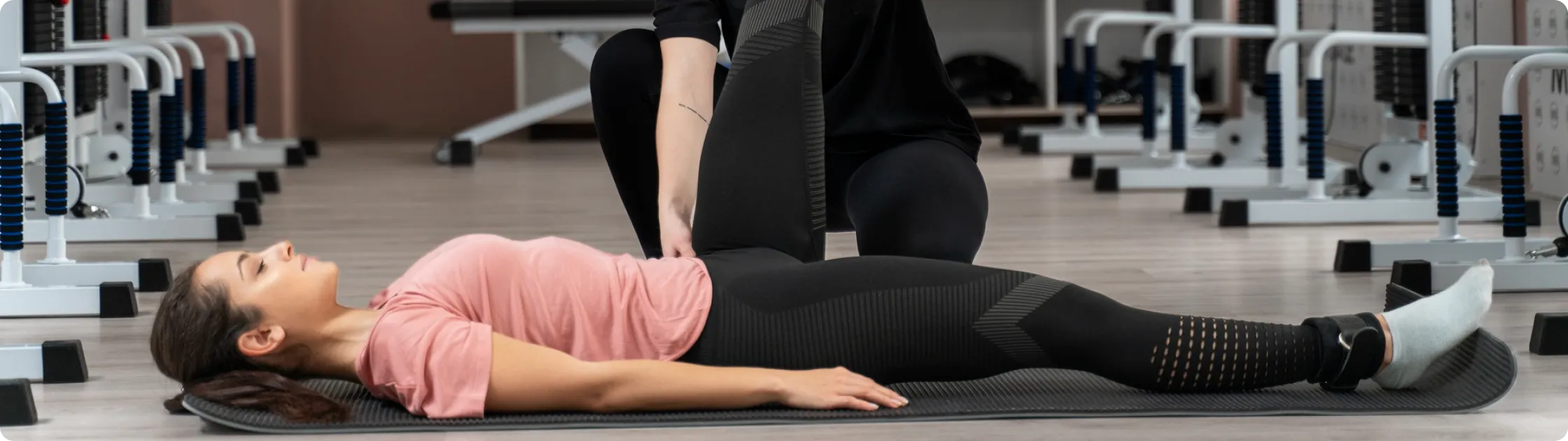
Gentle stretching exercises for the extremities can be performed even whilst seated or in bed. These movements stimulate peripheral circulation without placing undue stress on healing wounds. For ambulatory patients, balance training exercises performed near supportive structures help prevent falls while engaging the cardiovascular system. Simple activities like ankle pumps, knee extensions, and supervised corridor walking effectively boost circulation.
Exercise intensity should gradually increase as healing progresses. Providers must monitor wound sites during activity to ensure exercises don't compromise healing tissues. Even minimal movement proves beneficial for bedridden patients, as passive range-of-motion exercises can significantly improve circulatory dynamics in wound-adjacent areas.
Nutritional Support Strategies for Tissue Regeneration
Proper nutrition serves as the foundation for effective wound healing in elderly patients, providing the essential building blocks for tissue regeneration. Geriatric patients often experience decreased appetite and altered metabolism, making targeted nutritional support crucial for wound recovery.
Protein supplementation stands as the cornerstone of wound healing nutrition, with requirements typically increasing to 1.2-1.5 g/kg of body weight daily during the recovery phase. High-quality protein sources such as eggs, lean meats, and fortified supplements deliver essential amino acids that facilitate collagen synthesis and immune function.
Hydration importance cannot be overstated in elderly wound care, as adequate fluid intake ensures efficient nutrient delivery to healing tissues and toxin removal. Clinicians should aim for 30-35 mL/kg of fluid daily, monitoring for signs of dehydration which can significantly impair healing processes.
Micronutrients including zinc, vitamin C, and vitamin A further support cellular repair mechanisms when incorporated into a comprehensive nutritional plan tailored to individual patient needs and existing comorbidities.
Pressure Redistribution Methods for Bedridden Patients
Bedridden elderly patients face significant risk of developing pressure injuries when immobilised for extended periods, making effective redistribution strategies essential for wound prevention and management. Repositioning protocols typically include turning patients every two hours to minimise prolonged pressure on vulnerable areas such as the sacrum, heels, and shoulders.
Specialised support surfaces provide critical pressure relief through various mechanisms. Air-fluidised beds distribute weight evenly across microscopic ceramic beads, while alternating pressure mattresses dynamically shift pressure points through automated inflation and deflation cycles. Modern surface materials include viscoelastic foam that conforms to body contours and gel overlays that dissipate pressure.
For targeted protection, positioning devices such as wedge cushions, heel elevators, and foam blocks prevent direct contact between bony prominences and support surfaces. Implementation of these redistribution methods requires consistent assessment of effectiveness and patient comfort to ensure optimal wound prevention outcomes in aged care settings.
Therapeutic Ultrasound and Electrical Stimulation Approaches
Beyond physical repositioning strategies, advanced technology-based interventions have emerged as valuable adjuncts in elderly wound management. Therapeutic ultrasound delivers focused acoustic energy to wound tissues, promoting cellular activity and enhancing circulation. The ultrasound benefits include accelerated inflammatory response, increased protein synthesis, and improved collagen deposition essential for wound matrix formation in ageing skin.
Electrical therapy represents another evidence-based approach for recalcitrant wounds in geriatric patients. Low-intensity direct current stimulation mimics the body's bioelectric system, attracting neutrophils and macrophages to the wound site while stimulating fibroblast activity. High-voltage pulsed current has demonstrated efficacy in reducing bacterial load, particularly beneficial for immunocompromised elderly patients.
Clinicians typically apply these modalities in 20-minute sessions several times weekly, adjusting parameters based on wound assessment and healing progression. These technologies are particularly valuable when traditional wound healing approaches plateau, offering alternative pathways to tissue regeneration in compromised elderly patients.
Managing Chronic Conditions That Impair Wound Healing
While acute wounds typically follow predictable healing trajectories, chronic conditions prevalent in elderly populations significantly complicate this process. Diabetes mellitus, vascular insufficiency, and immunosuppressive disorders create environments where chronic inflammation persists, preventing progression through normal healing phases. Regular wound assessment becomes crucial to identify stalled healing processes and modify treatment approaches accordingly.
Clinicians must address underlying conditions systematically. For diabetic patients, tight glycaemic control reduces infection risk and improves tissue perfusion. Patients with venous insufficiency benefit from compression therapy to reduce oedema and improve microcirculation. Nutritional deficiencies, common in elderly individuals, require targeted supplementation of proteins, vitamins C and D, and zinc to support tissue regeneration.
Polypharmacy presents additional challenges in wound care for elderly patients, as medications like corticosteroids and anticoagulants can impede healing. Medication reconciliation should be performed regularly, balancing the management of chronic conditions with optimal wound healing environments. This is particularly important for patients requiring therapeutic exercise programs for elderly diabetes management.
Pain Management Protocols During Wound Care Rehabilitation
Pain management remains a central concern when treating wounds in elderly patients, particularly as rehabilitation activities introduce new sources of discomfort. Clinicians should implement a multi-modal approach that addresses both physiological and psychological aspects of pain. This begins with comprehensive medication assessment to evaluate current analgesics, potential drug interactions, and age-related changes in metabolism.
Pharmacological interventions should follow a stepwise approach, starting with paracetamol for mild pain and progressing to carefully monitored opioid therapy for severe cases. Timing analgesics 30-45 minutes before rehabilitation sessions can optimise participation while minimising breakthrough pain.
Psychological support plays an equally crucial role, incorporating breathing exercises, cognitive behavioural strategies, and guided imagery to help patients manage pain perception during wound care procedures. Documentation of pain using validated geriatric assessment tools ensures proper tracking of intervention effectiveness.
Regular reassessment allows clinicians to adjust protocols as healing progresses, balancing pain control with rehabilitation goals while minimising medication side effects in elderly wound care management.
Infection Prevention Strategies for Compromised Immune Systems
Because elderly patients often present with naturally diminished immune function, infection prevention becomes paramount in geriatric wound care management. Clinicians should implement stringent infection control protocols, including hand hygiene before and after dressing changes, proper donning of sterile gloves, and meticulous cleansing of the wound area with approved antiseptic solutions.
Environmental considerations also play a critical role in preventing cross-contamination. Treatment rooms should undergo regular sanitisation, with particular attention to high-touch surfaces. Wound dressings containing antimicrobial properties, such as silver or honey-impregnated products, may provide additional protection for vulnerable patients.
Supporting the patient's immune system through nutritional assessment and supplementation can enhance natural defence mechanisms. Adequate protein, vitamin C, zinc, and hydration are essential components of immune support in elderly wound care. Additionally, minimising unnecessary wound exposure and implementing contact precautions when indicated further reduces infection risk.
Regular wound assessment using standardised tools helps detect early signs of infection, enabling prompt intervention before complications develop in geriatric patients.
Adaptive Equipment for Self-Care and Independence
Numerous adaptive equipment options exist to empower elderly patients with wounds to maintain independence while protecting healing tissue. Long-handled reaching tools allow patients to retrieve items without stretching wounded areas, whilst specially designed shower chairs and handheld showerheads facilitate safe bathing without compromising bandages.
Dressing aids such as button hooks and sock assists help maintain daily routines without straining healing wounds. For patients with lower extremity wounds, raised toilet seats and strategically placed grab rails reduce pressure on affected areas while preserving dignity during toileting.
Mobility aid training is essential, as assistive devices like wound-friendly walking sticks and walking frames with specialised grips accommodate mobility limitations while preventing further injury. Electronic medication dispensers with alarms support adherence to antibiotic regimens and pain management protocols, critical components of successful wound healing in elderly patients.
When properly selected and fitted by occupational therapists, these adaptive tools significantly reduce carer dependence while optimising wound healing conditions in aged care environments.
Carer Training for Long-Term Wound Management
Effective carer training stands as the cornerstone of successful long-term wound management for elderly patients, complementing the adaptive equipment strategies that support independence. Professional instruction must include fundamental wound assessment skills, enabling carers to recognise early warning signs of infection, deterioration, or healing progress in geriatric wound care. This training typically encompasses proper dressing change procedures, sterile technique maintenance, and appropriate documentation practices.
Carer communication represents another critical training component, as it facilitates accurate information exchange between healthcare providers, family members, and the patient. Carers should learn to report significant observations using standardised terminology and assessment tools specific to elderly wound care.
Training programs increasingly incorporate hands-on simulations with feedback sessions to build confidence and competence. Many healthcare institutions now offer certification programs specifically for wound care management in aged care, providing carers with credentials that validate their specialised knowledge and skills, ultimately improving patient outcomes through consistent, evidence-based care delivered in home settings.
How to Promote Wound Healing in Elderly Patients
Promoting wound healing in elderly patients requires an integrated approach that addresses multiple physiological and environmental factors simultaneously. Healthcare providers must coordinate nutritional interventions, mobility programs, and wound care protocols to create optimal healing conditions for geriatric patients.
Regular monitoring of wound progression using validated assessment scales helps identify when interventions require modification. Photographic documentation provides objective evidence of healing trajectories and supports communication between multidisciplinary team members involved in elderly wound care.
Patient and family education forms an essential component of promoting wound healing success. Teaching proper wound observation techniques, signs of complications, and when to seek medical attention empowers elderly patients and their support networks to participate actively in the healing process whilst maintaining safety in aged care environments.
Conclusion
Effective wound care for elderly patients requires a comprehensive, multidisciplinary approach addressing their unique physiological needs. Through specialised dressing techniques, targeted mobility exercises, nutritional support, and appropriate pain management, healthcare providers can significantly improve healing outcomes in geriatric wound care. With proper carer education, adaptive equipment, and attention to infection prevention, elderly patients experience enhanced recovery, reduced complications, and improved quality of life during the wound healing process. By implementing these evidence-based rehabilitation techniques, aged care facilities and home care providers can optimise wound management outcomes for this vulnerable population.
Ready to Get Help?
Book an appointment with one of our experienced Physiotherapy professionals across South West Sydney.
Book an AppointmentMedical Disclaimer
This article is intended for general informational and educational purposes only. It does not constitute medical advice and is not a substitute for professional diagnosis, treatment, or advice from a qualified healthcare provider. Always consult a registered physiotherapist, chiropractor, or other appropriate healthcare professional before starting any new treatment or exercise programme.