 (02) 9726 4491
3 Best Back Exercises For Herniated Disc Relief

Clinically reviewed by Matthew Calabrese, Physiotherapist · Australian Health Practitioner Regulation Agency (AHPRA). This article is general information, not a substitute for an individual assessment.
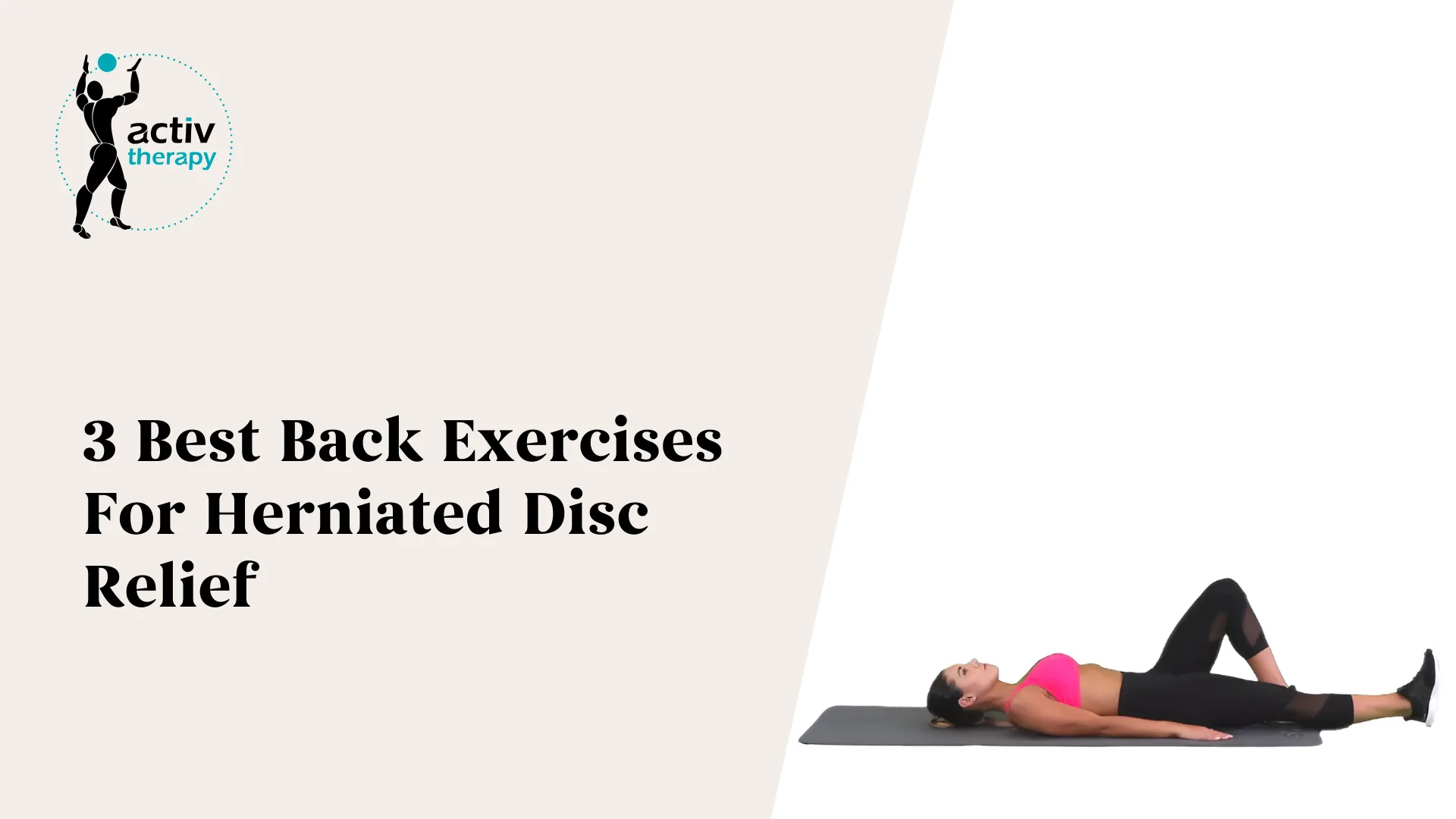
A herniated disc can transform simple daily activities into painful challenges, affecting millions of people worldwide. While surgical intervention becomes necessary in some cases, many individuals find significant relief through targeted exercise routines. Understanding which movements effectively address disc-related discomfort while promoting healing is fundamental for those seeking non-invasive solutions. Three specific exercises have emerged as particularly beneficial for managing herniated disc symptoms, offering both immediate relief and long-term spine health benefits when performed correctly under proper guidance.
Core-Strengthening Back Extensions
Back extensions serve as a fundamental exercise for individuals managing herniated discs, targeting the essential core muscles that support and stabilise the spine. This exercise specifically focuses on strengthening the posterior chain, which helps reduce pressure on the herniated disc while promoting better spinal alignment and posture.
Proper form is pivotal when performing back extensions to guarantee maximum benefit and prevent further injury. Begin by lying face down on an exercise mat, keeping your arms at your sides. Engage your core muscles while slowly lifting your chest off the ground, maintaining a neutral spine position throughout the movement. Hold the position briefly before lowering back down with control.
To optimise results and minimise risk, start with shorter duration holds and fewer repetitions, gradually increasing intensity as your strength and flexibility improve. This progressive approach allows the supporting muscles to adapt while maintaining proper form throughout each exercise session. Many physiotherapists recommend incorporating back extensions into a comprehensive routine that includes other low-impact exercises for overall spine health.
For ideal results, perform back extensions as part of a structured exercise programme developed under professional guidance. A physiotherapist can assess your specific condition and create a customised plan that addresses your individual needs. They can also monitor your progress and make necessary adjustments to effectively target your core while managing herniated disc symptoms. This supervised approach helps maintain proper form and prevents potential complications while working toward improved spinal stability. The practice's Activ 4 Life programme offers specialised group exercise classes that can complement your herniated disc rehabilitation journey.
Gentle Spinal Decompression Movements
While strengthening exercises build core stability, gentle spinal decompression movements offer direct relief by creating space between vertebrae and reducing pressure on herniated discs. The most effective method involves hanging from a bar or using the top of a door, which naturally decompresses the spine through controlled gravitational force. This technique should be performed in sets of three, with each hang lasting 30 seconds, followed by a slow, controlled release to prevent muscle spasms.
Standing extension exercises complement spinal decompression by addressing postural issues that often accompany herniated discs. By pushing the pelvis forward and extending the spine, these movements help counteract daily hunching patterns and guide displaced disc material back to its natural position.
For additional decompression benefits, prone on elbows and cobra pose exercises effectively realign the spine by gradually lifting the back and shoulders off the floor.
For those experiencing leg pain due to herniated discs in the lower back, sciatic nerve flossing provides targeted relief. This technique involves alternating between a straightened and bent leg position, which helps mobilise the sciatic nerve and reduce associated discomfort. When performing these stretches, it's important to maintain proper form and stop if any pain occurs. These gentle decompression movements, when performed correctly and consistently, create ideal conditions for disc healing while providing immediate relief from pressure-related symptoms. Our experienced physiotherapists can demonstrate proper technique and create personalised exercise programs to ensure safe and effective spinal decompression.
Stabilising Posture Correction Exercises
Proper posture plays a critical role in managing herniated disc pain through targeted exercises that realign the spine and strengthen postural muscles. Regular practice of specific posture correction exercises helps maintain ideal spinal alignment while reducing pressure on the affected disc.
Shoulder rolls effectively target the upper back muscles, promoting better posture and alleviating disc-related discomfort. This movement strengthens the posterior muscle groups responsible for maintaining proper shoulder and spine positioning. Chin tucks specifically address forward head posture by retracting the neck, which helps restore natural cervical spine curvature and reduces unnecessary strain on the spinal column.
Wall angels are particularly beneficial for improving posture and spinal alignment. This exercise engages the back muscles while opening the chest, creating balanced muscle activity around the shoulder blades. When performed regularly, wall angels help counteract the rounded shoulder position that often contributes to disc problems.
Thoracic extension exercises focus on mobilising the upper back, enhancing flexibility in the thoracic spine region. These movements help distribute pressure more evenly along the spinal column, potentially reducing symptoms associated with disc herniation. Complementing these exercises, scapular retractions strengthen the shoulder blade muscles, providing essential stability to the upper back. This increased stability supports proper spinal alignment and helps maintain correct posture throughout daily activities. Together, these exercises create a holistic approach to posture correction, addressing both the muscular and skeletal components necessary for spinal health. For optimal results, consider working with experienced physiotherapists who specialise in treating muscle, joint, and ligament conditions to ensure proper form and technique.
Conclusion
Managing herniated disc symptoms effectively requires a targeted approach combining core-strengthening back extensions, gentle spinal decompression movements, and stabilising posture correction exercises. When performed consistently under professional supervision, these exercises work synergistically to strengthen supporting muscles, reduce spinal pressure, and improve overall posture. This all-encompassing approach helps alleviate pain, enhance mobility, and promote long-term spinal health for individuals with herniated discs.
Ready to Get Help?
Book an appointment with one of our experienced Physiotherapy professionals across South West Sydney.
Book an AppointmentMedical Disclaimer
This article is intended for general informational and educational purposes only. It does not constitute medical advice and is not a substitute for professional diagnosis, treatment, or advice from a qualified healthcare provider. Always consult a registered physiotherapist, chiropractor, or other appropriate healthcare professional before starting any new treatment or exercise programme.