 (02) 9726 4491
Rotator Cuff Exercises: 7 Steps to Shoulder Recovery
Clinically reviewed by Matthew Calabrese, Physiotherapist · Australian Health Practitioner Regulation Agency (AHPRA). This article is general information, not a substitute for an individual assessment.

Rotator cuff injuries affect thousands of Australians each year, causing pain, weakness, and limited mobility that can disrupt daily activities. The good news is that properly structured rotator cuff exercises can significantly improve shoulder function, reduce pain, and help you return to the activities you love. Whether you're recovering from a tear, managing chronic inflammation, or strengthening after surgery, the right rehabilitation programme makes all the difference.
Your rotator cuff consists of four muscles and their tendons that stabilise your shoulder joint whilst allowing for its remarkable range of motion. When injury occurs, these structures need careful rehabilitation to restore strength and coordination. This guide presents seven evidence-based steps that physiotherapists use to guide patients through successful shoulder recovery.
Understanding Your Rotator Cuff Injury
Before beginning any exercise programme, it's essential to understand the nature and severity of your injury. Rotator cuff injuries range from mild inflammation and tendinitis to partial or complete tears. Your physiotherapist will assess your condition to determine the appropriate starting point for your rehabilitation.
Common symptoms include shoulder pain that worsens with overhead activities, weakness when lifting or rotating your arm, clicking or popping sensations, and difficulty sleeping on the affected side. These signs indicate that the rotator cuff muscles and tendons need targeted support through specific shoulder strengthening exercises.
The rehabilitation timeline varies based on injury severity. Minor strains may improve within weeks, whilst significant tears—particularly those requiring surgery—demand several months of progressive exercises. Patience and consistency throughout this process are crucial for optimal outcomes.
Step 1: Begin with Pain-Free Range of Motion
The first phase of rotator cuff rehabilitation focuses on gentle movement within a pain-free range. These early rotator cuff injury exercises help maintain joint mobility and prevent stiffness without aggravating damaged tissues.
Pendulum exercises are an excellent starting point. Lean forward slightly, supporting yourself with your unaffected arm on a table or chair. Allow your injured arm to hang freely and gently swing it in small circles, gradually increasing the diameter as comfort allows. Perform this for two to three minutes, several times daily.
Passive range-of-motion exercises, where you use your uninjured arm or assistance from a therapist to move the affected shoulder, also play a vital role. These movements help prevent frozen shoulder whilst tissues heal. Soft tissue manipulation techniques can complement these exercises by addressing muscle tension and improving tissue mobility around the shoulder.
Step 2: Progress to Active Range-of-Motion Exercises
Once you can move your shoulder without significant pain, transition to active movements where your own muscles control the motion. These shoulder rehabilitation exercises rebuild neuromuscular control and prepare your shoulder for strengthening work.
Wall walks are particularly effective. Stand facing a wall and use your fingers to "walk" your arm up the wall as high as comfortable. Hold briefly at the top, then slowly walk your fingers back down. Repeat ten times, gradually increasing your reach over successive sessions.
Incorporate shoulder flexion by lying on your back and using your unaffected arm to help lift the injured arm overhead. As strength improves, reduce the assistance until you can perform the movement independently. These exercises restore functional movement patterns essential for daily activities.
Step 3: Introduce Isometric Strengthening
Isometric exercises allow you to strengthen muscles without moving the joint—ideal for building foundation strength without stressing healing tissues. These static holds form a bridge between range-of-motion work and dynamic strengthening.
Begin with wall isometrics. Stand beside a wall with your elbow bent at 90 degrees. Gently press the back of your wrist against the wall as if rotating your arm outward, but without allowing any movement. Hold for five to ten seconds, rest, and repeat ten times. Perform the same exercise pressing your palm against a wall in front of you to work internal rotation.
Progress to isometric abduction by pressing your elbow outward against a doorframe or wall. These shoulder stability exercises activate the rotator cuff muscles whilst protecting vulnerable structures during early healing phases.
Step 4: Build Strength with Resistance Band Exercises
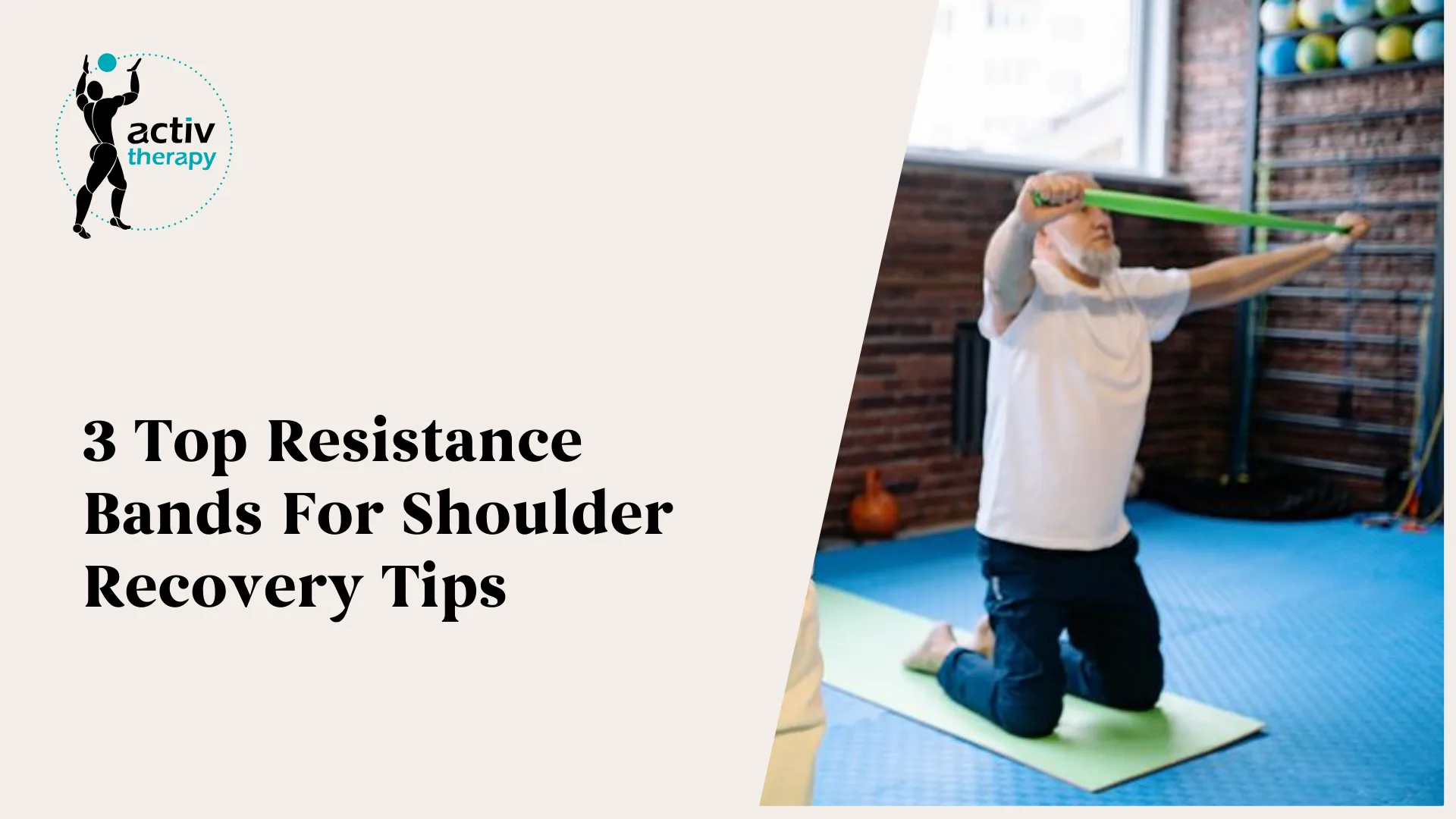
Resistance bands provide adjustable, controlled resistance perfect for progressive rotator cuff strengthening. These versatile tools allow you to target specific muscles whilst maintaining proper form and control.
External rotation is fundamental. Secure a resistance band at elbow height, stand sideways to the anchor point, and hold the band with your far hand. Keep your elbow tucked against your side and rotate your forearm outward against resistance. Perform three sets of fifteen repetitions, ensuring smooth, controlled movements throughout.
Internal rotation works the opposing muscles. Face the anchor point and pull the band across your body whilst maintaining your elbow position. Balance between external and internal rotation exercises prevents muscle imbalances that could compromise shoulder stability.
Add scapular exercises using resistance bands to strengthen the muscles that stabilise your shoulder blade. Pull the band apart in front of your chest, squeezing your shoulder blades together. This improves the foundation upon which your rotator cuff functions.
Step 5: Incorporate Weight-Bearing Exercises
As your strength improves, weight-bearing positions challenge your rotator cuff to stabilise under load—essential preparation for real-world activities. Start conservatively and progress gradually based on your tolerance.
Quadruped exercises provide excellent controlled loading. Begin on hands and knees, then shift your weight side to side, challenging your shoulders to stabilise. Progress to lifting one hand slightly off the ground, holding for several seconds before alternating sides.
Wall push-ups offer functional strengthening without excessive stress. Stand facing a wall at arm's length, place your hands on the wall, and perform push-ups by bending and straightening your elbows. As strength permits, gradually increase the angle by stepping further from the wall. Similar principles apply when working on joint mobility and strength in other areas of the body.
Step 6: Progress to Functional Movement Patterns
Functional exercises mimic real-life movements, preparing your shoulder for activities of daily living and sport-specific demands. These rotator cuff tear exercises should replicate the movements you need to perform comfortably and confidently.
Incorporate reaching patterns at various heights and angles. Practice placing objects on high shelves, reaching across your body, and moving your arm through diagonal patterns. These movements integrate your rotator cuff strength into coordinated, multi-directional activities.
If your goals include returning to sport, introduce sport-specific movements progressively. Throwing athletes might begin with gentle toss exercises, gradually increasing speed and distance. Swimmers can start with stroke mechanics using resistance bands before returning to the pool.
Balance training also enhances shoulder stability by challenging your neuromuscular system. Performing upper body exercises whilst standing on an unstable surface improves the integration between your shoulder and core stabilisers, much like balance exercises improve overall stability.
Step 7: Maintain Long-Term Shoulder Health
Recovery doesn't end when pain subsides. Maintaining shoulder strength and mobility prevents re-injury and ensures lasting function. Establish a sustainable routine that fits your lifestyle and addresses your specific risk factors.
Continue performing shoulder arthritis exercises and maintenance strengthening two to three times weekly, even after returning to full activity. Focus on balanced development of all rotator cuff muscles, avoiding overemphasis on any single movement pattern.
Pay attention to proper technique during all activities, particularly those that previously caused problems. Modify problematic movements when necessary, and warm up thoroughly before demanding activities. Regular stretching maintains flexibility in the shoulder capsule and surrounding muscles.
Monitor your shoulder for early warning signs of strain—mild pain, fatigue, or clicking sounds may indicate you're pushing too hard or neglecting certain muscle groups. Address these signals promptly by adjusting your programme or consulting your physiotherapist.
Optimising Your Recovery Journey
Successful rotator cuff rehabilitation requires more than just exercises. Several complementary strategies enhance your recovery and reduce the risk of setbacks.
Adequate rest between exercise sessions allows tissues to adapt and strengthen. Avoid the temptation to overtrain, particularly in early recovery phases. Sleep quality directly impacts healing, so prioritise proper rest positioning—typically sleeping on your unaffected side with pillow support for the injured shoulder.
Nutrition plays a vital role in tissue repair. Ensure adequate protein intake to support muscle recovery, and maintain overall nutritional balance to optimise healing processes. Stay well-hydrated, as proper hydration supports tissue health and function.
Manage inflammation appropriately. Ice application after exercises can reduce discomfort, whilst avoiding activities that cause sharp or persistent pain protects healing structures. Anti-inflammatory medications may be appropriate in consultation with your healthcare provider, but shouldn't mask pain that signals tissue damage.
When to Seek Professional Guidance
Whilst these exercises provide a solid framework for recovery, professional supervision ensures optimal outcomes and prevents complications. Consult a physiotherapist if you experience increasing pain, significant weakness, numbness or tingling, or if your progress plateaus.
A qualified physiotherapist can assess your specific condition, identify compensatory movement patterns, and tailor your programme to address individual needs. They'll progress your exercises appropriately, modify techniques for your body mechanics, and integrate manual therapy when beneficial.
For severe tears or persistent symptoms despite conservative treatment, surgical consultation may be necessary. Your physiotherapy team works collaboratively with orthopaedic specialists to determine the best course of action and guide you through post-surgical rehabilitation if required.
Your shoulder's remarkable mobility comes with vulnerability to injury, but systematic rehabilitation through targeted rotator cuff exercises can restore function and prevent future problems. By following these seven progressive steps—from gentle range-of-motion work through functional strengthening and long-term maintenance—you're investing in lasting shoulder health. Remember that recovery is a journey requiring patience, consistency, and attention to your body's signals. With proper guidance and commitment to your rehabilitation programme, you can return to the activities you enjoy with confidence and reduced pain.
Ready to Get Help?
Book an appointment with one of our experienced Physiotherapy professionals across South West Sydney.
Book an AppointmentMedical Disclaimer
This article is intended for general informational and educational purposes only. It does not constitute medical advice and is not a substitute for professional diagnosis, treatment, or advice from a qualified healthcare provider. Always consult a registered physiotherapist, chiropractor, or other appropriate healthcare professional before starting any new treatment or exercise programme.