
 (02) 9726 4491
Physical Therapy Techniques for Elderly Arthritis Relief

Clinically reviewed by Matthew Calabrese, Physiotherapist · Australian Health Practitioner Regulation Agency (AHPRA). This article is general information, not a substitute for an individual assessment.
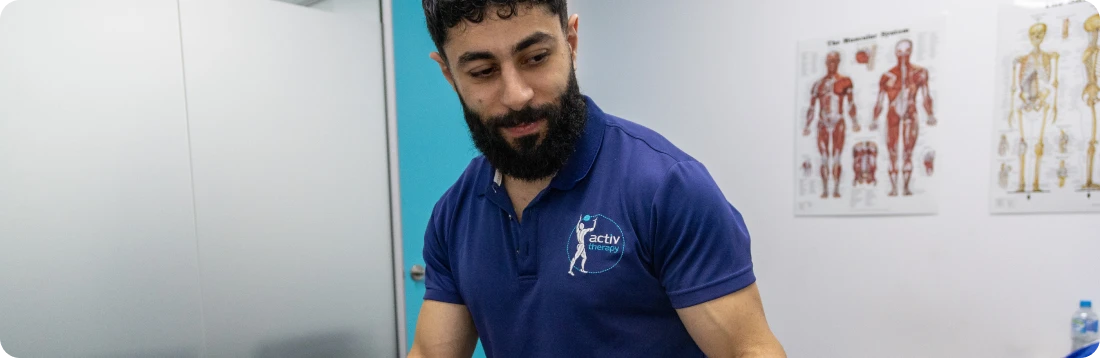
Arthritis affects millions of elderly Australians, often limiting their independence and quality of life. Physiotherapy offers viable alternatives to medication for managing pain and improving mobility. Physiotherapists employ targeted techniques that address joint stiffness, muscle weakness, and balance concerns common among older adults with arthritis. These evidence-based approaches can significantly reduce discomfort while enhancing functional capacity.
Understanding Arthritis and Its Impact on Elderly Mobility
Arthritis, a chronic inflammatory condition affecting joints, presents significant mobility challenges for elderly individuals. The two most prevalent arthritis types affecting seniors include osteoarthritis, characterised by cartilage deterioration, and rheumatoid arthritis, an autoimmune disorder causing joint inflammation.
These conditions typically manifest through joint pain, stiffness, and reduced range of motion, particularly affecting weight-bearing joints like knees and hips. The mobility challenges associated with arthritis extend beyond physical discomfort. Elderly patients often experience difficulty with essential daily activities such as climbing stairs, rising from chairs, or maintaining balance whilst walking.
These limitations frequently lead to decreased independence, social isolation, and diminished quality of life. Additionally, compensatory movement patterns developed to avoid pain can create secondary issues including muscle imbalances and postural abnormalities. Understanding these specific limitations provides the foundation for developing targeted physiotherapy interventions that effectively address both the physiological joint changes and their functional consequences.
Gentle Range-of-Motion Exercises for Arthritic Joints
When joints become limited by arthritis, gentle range-of-motion exercises serve as foundational interventions that help maintain joint mobility whilst minimising pain. These exercises involve moving joints through their complete available motion to preserve flexibility and function without adding resistance.
Physiotherapists typically recommend performing flexibility exercises daily, particularly during morning hours when joints may feel most stiff. Simple rotations of wrists, ankle circles, and gentle knee bends can significantly improve joint lubrication, reducing the grinding sensation common in arthritic joints.
For optimal results, these movements should be executed slowly and only to the point of mild tension—never forcing painful motion. Warm water exercises often enhance comfort during these routines, as the buoyancy supports joints while heat relaxes surrounding tissues. Over time, consistent practice helps maintain independence in daily activities whilst potentially delaying the progression of joint deterioration.
Water-Based Therapy for Pain-Free Movement
Immersed in a warm pool environment, patients with arthritis often experience immediate relief as water therapy provides a nearly ideal setting for rehabilitation. The natural buoyancy benefits reduce joint stress by offsetting body weight by up to 90%, allowing for comfortable movement that would be painful on land. This reduced gravitational impact creates opportunities for improved range of motion without aggravating inflamed joints.
Aquatic exercises typically begin with gentle walking in chest-deep water before progressing to more challenging movements. Therapists may incorporate resistance equipment such as foam dumbbells or ankle cuffs to build strength gradually. The water's natural resistance provides multidirectional challenge to muscles without jarring arthritic joints.
Additionally, warm water temperatures (typically 28-31°C) help relax tight muscles and increase blood flow to affected areas. Many patients report decreased pain levels for hours following water-based therapy sessions, making this modality particularly valuable for those with severe joint limitations. This approach aligns with soft tissue manipulation techniques that target pain relief through gentle, controlled interventions.
Strength Training to Support Arthritic Joints
While water therapy reduces stress on joints, land-based strength training provides the complementary benefit of building supportive muscle around affected areas. Physical therapists typically design progressive resistance programmes that focus on muscle strengthening without aggravating arthritic pain. Effective protocols often begin with isometric exercises, where muscles contract without joint movement, minimising stress on inflamed tissues.
As tolerance improves, light resistance bands or small weights can be introduced to enhance strength gains. These controlled movements improve joint stability and function. Studies demonstrate that targeted strength training supports joint protection by creating muscular scaffolding that reduces pressure on damaged cartilage. For example, strengthening quadriceps can significantly decrease knee pain in osteoarthritis patients.
Additionally, stronger muscles improve posture and movement patterns, preventing compensatory behaviours that may worsen arthritic conditions. Understanding strength training programmes for age-related muscle loss helps therapists create effective protocols. Most therapists recommend 2-3 weekly sessions, emphasising proper form over weight progression to ensure safety and effectiveness.
Balance and Stability Techniques to Prevent Falls
Arthritis patients face a significantly higher risk of falls due to joint pain, stiffness, and altered proprioception. Physiotherapists employ specialised balance training protocols to address these vulnerabilities, focusing on exercises that improve postural control and spatial awareness. Single-leg stands, heel-to-toe walking, and controlled weight shifts form the foundation of these programmes.
Stability exercises complement balance work by strengthening the core muscles that support proper alignment. Physiotherapists often incorporate tools like balance boards, foam pads, and stability balls to create controlled instability that challenges and improves patients' equilibrium responses. These exercises progressively increase in difficulty as patients gain confidence.
Many physiotherapy clinics now offer group classes specifically designed for arthritis patients, combining balance training with social support. Home exercise programmes typically include simple techniques like practising sit-to-stand transfers without using hands and performing kitchen bench exercises. Implementing evidence-based balance training tips can significantly reduce fall risk whilst improving functional mobility and independence.
Heat and Cold Therapy Applications
Both heat and cold therapies rank among the most accessible and effective non-pharmacological interventions for arthritis pain management. These complementary approaches target different aspects of arthritis discomfort and can be easily implemented at home between physiotherapy sessions.
Heat application increases blood flow to affected joints, relaxing stiff muscles and reducing morning stiffness. Patients may use electric heating pads, warm towels, or paraffin wax treatments for 15-20 minutes several times daily. Warm showers or baths before exercise can also improve range of motion and decrease pain during activity.
Conversely, cold compress therapy reduces inflammation and numbs localised pain. Ice packs wrapped in thin towels, frozen gel packs, or even bags of frozen vegetables applied for 10-15 minutes help minimise swelling after activity. Cold therapy is particularly beneficial during acute flare-ups.
Physiotherapists typically recommend alternating between heat and cold treatments based on individual response and specific joint involvement, creating personalised protocols that maximise pain relief while promoting functional mobility.
Assistive Devices and Home Modifications for Daily Living
Assistive devices and strategic home modifications represent essential components of comprehensive arthritis management, enabling patients to maintain independence whilst reducing joint stress during daily activities. Physical therapists typically assess patients' functional limitations before recommending appropriate adaptive equipment such as jar openers, button hooks, raised toilet seats, and long-handled reachers.
Home safety evaluations identify potential hazards and opportunities for environmental adaptation. Common modifications include installing grab bars in bathrooms, removing tripping hazards like loose rugs, improving lighting in dim areas, and reorganising frequently-used items to accessible heights. Kitchen adaptations often feature ergonomic utensils with cushioned grips and lever-style tap handles that require minimal wrist rotation.
For mobility challenges, therapists may recommend walking aids, walkers, or wheelchairs properly fitted to the individual's height and needs. Professional guidance on mobility aid training for seniors ensures these devices are used safely and effectively. These interventions collectively reduce pain, prevent falls, and preserve energy for meaningful activities, ultimately improving quality of life for arthritis patients.
Pain Management Strategies Beyond Medication
While assistive devices support daily functioning, effective arthritis treatment extends beyond structural modifications to include non-pharmacological pain management techniques. Physical therapists frequently incorporate heat and cold therapy, alternating between warm compresses to relax muscles and cold packs to reduce inflammation during flare-ups.
Transcutaneous electrical nerve stimulation (TENS) offers another medication-free option, using low-voltage electrical currents to interrupt pain signals. Many practitioners also recommend mindfulness meditation and deep breathing exercises, which can significantly reduce perceived pain intensity while improving emotional wellbeing. Incorporating breathing techniques designed for elderly recovery can enhance relaxation and pain management outcomes.
Nutritional supplements containing glucosamine, chondroitin, and omega-3 fatty acids may provide additional relief for some patients, though results vary individually. Acupuncture and therapeutic massage also demonstrate effectiveness in pain reduction by targeting trigger points and improving circulation to affected joints. These complementary approaches, when combined with traditional physiotherapy techniques, create comprehensive pain management strategies that minimise reliance on medications and their potential side effects.
Creating a Sustainable Home Exercise Programme
Long-term arthritis management depends on establishing a sustainable home exercise routine that patients can maintain independently. Physiotherapists work closely with elderly patients to develop personalised programmes that match their current abilities, lifestyle constraints, and specific arthritis symptoms.
A successful home programme typically includes 20-30 minutes of daily activity, combining gentle range-of-motion exercises, targeted strengthening, and balance work. Starting with simple movements performed while seated or holding onto stable surfaces helps build confidence. As patients progress, exercises can be modified to increase challenge without causing pain or fatigue.
Consistency matters more than intensity for arthritis patients. Therapists often recommend exercising at the same time each day, such as during morning routines or before evening meals, to establish lasting habits. Visual aids, exercise cards, or smartphone apps can serve as helpful reminders and ensure proper technique when performing movements independently.
Regular follow-up appointments allow physiotherapists to assess progress, adjust difficulty levels, and address any concerns. This ongoing support helps patients stay motivated and ensures exercises remain effective as their condition evolves. When practiced regularly with proper guidance, home exercise programmes deliver significant improvements in pain levels, joint function, and overall quality of life for elderly arthritis patients.
Conclusion
Physiotherapy offers elderly arthritis patients multiple pathways to improved mobility and reduced pain. Through a combination of gentle exercises, hydrotherapy, strength training, balance techniques, and practical home adaptations, seniors can maintain independence while managing their symptoms effectively. When integrated into regular routines alongside proper guidance from qualified physiotherapists, these evidence-based techniques provide significant relief without over-reliance on medication, empowering older adults to maintain quality of life despite arthritic challenges.
Ready to Get Help?
Book an appointment with one of our experienced Physiotherapy professionals across South West Sydney.
Book an AppointmentMedical Disclaimer
This article is intended for general informational and educational purposes only. It does not constitute medical advice and is not a substitute for professional diagnosis, treatment, or advice from a qualified healthcare provider. Always consult a registered physiotherapist, chiropractor, or other appropriate healthcare professional before starting any new treatment or exercise programme.