 (02) 9726 4491
What Back Injury Recovery Exercises Should Blokes Do?

Clinically reviewed by Matthew Calabrese, Physiotherapist · Australian Health Practitioner Regulation Agency (AHPRA). This article is general information, not a substitute for an individual assessment.

Recovery from a back injury requires a strategic approach that balances rehabilitation with prevention of further damage. While many blokes instinctively want to jump back into their regular fitness routines, the path to recovery requires patience and precise execution of targeted exercises. The most effective recovery programs focus on rebuilding core stability and improving movement patterns through specific, progressive techniques. Understanding which exercises to perform—and more importantly, how to perform them correctly—can mean the difference between a successful recovery and chronic pain. The following evidence-based approach offers blokes a clear roadmap to regaining their strength and mobility safely.
Understanding Back Injuries in Blokes
Back pain strikes millions of blokes each year, ranging from acute muscle strains to chronic disc problems. Understanding the specific nature of back injuries is crucial for determining the most effective recovery approach. Blokes often experience back pain differently from women due to anatomical differences, occupational factors, and lifestyle habits that put unique stresses on their spine.
Common back injuries in men include muscle strains from heavy lifting, sports-related trauma, and repetitive motion injuries from work activities. A herniated disc diagnosis frequently occurs in blokes between ages 30-50, often resulting from sudden movements or prolonged poor posture. This condition happens when the soft centre of a spinal disc pushes through a crack in the tougher exterior casing, potentially irritating nearby nerves.
Various diagnostic methods help identify the specific cause of back pain, including physical examinations, imaging tests, and neurological assessments. Understanding these diagnostic results helps determine whether conservative treatment or more aggressive interventions are necessary. Many blokes find that soft tissue manipulation combined with targeted exercises provides significant relief during the recovery process.
Risk factors specific to men include carrying excess abdominal weight, participating in contact sports, performing manual labour, and maintaining sedentary desk jobs with poor ergonomics. Additionally, blokes are more likely to ignore initial symptoms and delay seeking treatment, which can lead to more severe conditions requiring longer recovery periods. Recognising these patterns and understanding the importance of early intervention is essential for preventing chronic back problems and ensuring successful rehabilitation.
Core Strengthening Basics
Building a strong core foundation serves as the cornerstone of back injury recovery for blokes. The core muscles, which include the abdominals, obliques, and lower back muscles, work together to provide essential support and stability for the spine. Proper core strengthening helps prevent future injuries while accelerating the current recovery process.
To begin core strengthening safely, blokes should focus on basic muscle activation techniques that target the deep stabilising muscles. The transverse abdominis, often called the body's natural weight belt, requires specific attention through exercises like hollow body holds and dead bug variations. These movements teach proper bracing patterns while minimising stress on the injured area.
Spinal stabilisation drills form another crucial component of core rehabilitation. These exercises, such as bird dogs and plank variations, help develop the coordination between different muscle groups while maintaining neutral spine position. Starting with isometric holds allows blokes to build endurance and control before progressing to more dynamic movements.
When performing these exercises, proper form takes precedence over repetitions or duration. Blokes should focus on maintaining steady breathing patterns and avoiding any movements that cause pain or discomfort. Beginning with 10-15 second holds and gradually increasing duration helps build proper mind-muscle connection and ensures safe progression. For those recovering from surgery, learning essential recovery protocols can provide valuable guidance on safe exercise progression.
As stability improves, blokes can advance to more challenging variations, including side planks and modified bridges. However, it's essential to master basic movements before attempting advanced exercises, as proper progression reduces the risk of re-injury and promotes long-term recovery success.
Cat-Cow Stretch Progression
One of the most fundamental mobility exercises for back rehabilitation is the cat-cow stretch progression, which helps restore spinal flexibility whilst promoting proper vertebral movement patterns. This gentle sequence combines spinal flexion and extension movements to mobilise the entire back while strengthening supporting muscles.
Begin on hands and knees in a neutral tabletop position, with hands shoulder-width apart and knees hip-width apart. For the cat posture, exhale whilst rounding the spine towards the ceiling, drawing the navel toward the spine, and tucking the chin to chest. For the cow position, inhale whilst lifting the chest and tailbone, allowing the belly to sink towards the floor while looking forward.
As strength and mobility improve, several cat cow posture variations can be incorporated. Advanced spinal mobility techniques include performing the movement with one arm lifted, adding hip circles during the transition, or executing the stretch with extended legs. Each progression should be attempted only when the basic movement can be performed pain-free with proper form.
Start with 5-8 repetitions, moving slowly between positions whilst maintaining steady breathing. Focus on initiating the movement from the tailbone and allowing it to flow smoothly through each vertebra. If discomfort occurs, reduce the range of motion or return to the basic version. Consistent practice of this progression can improve spinal articulation, reduce stiffness, and help prevent future back problems when combined with other rehabilitation exercises.
Bridge Exercise Modifications
While the cat-cow stretch focuses on spinal mobility, bridge exercises strengthen the posterior chain and provide vital support for the lower back. The basic bridge exercise targets the gluteal muscles, hamstrings, and lower back muscles simultaneously, making it an essential movement for blokes recovering from back injuries.
Start with the fundamental bridge position: lying supine with knees bent and feet flat on the floor. Progress gradually through these modifications based on comfort and capability. Begin with partial bridges, lifting the hips just a few centimetres off the ground, then advance to full-range bridges as strength improves. Hold each position for 5-10 seconds initially, working up to 30-second holds.
Single leg bridge variations become appropriate once basic bridges are mastered. These unilateral movements address muscle imbalances and enhance hip mobility improvements. Start by extending one leg while maintaining the bridge position, keeping the working leg stable and engaged. Alternate legs and perform 8-12 repetitions per side.
For advanced progression, incorporate march bridges by lifting alternate feet while maintaining the elevated hip position. This modification challenges core stability and further develops hip control. To increase difficulty, place the feet farther from the body or elevate them on a stable platform. However, blokes should only attempt these variations when pain-free and with proper form established.
Monitor form throughout all modifications—avoid arching the lower back excessively and maintain neutral spine alignment. If discomfort occurs, return to basic variations until strength and stability improve.
Safe Plank Training Methods
Through proper progression and form, plank exercises can significantly strengthen the core muscles that support the spine during recovery from back injuries. When performing planks, maintaining proper plank form is crucial: keep the body in a straight line from head to heels, engage the core muscles, and avoid sagging at the hips or lifting the buttocks too high.
Begin with the easiest plank variation progressions to ensure safety during recovery. Start with a wall plank, standing at arm's length from a wall and leaning forward. Progress to an incline plank using a stable surface like a bench or table, which reduces the load on the core muscles. Once comfortable, advance to modified planks from the knees before attempting full planks.
Time duration should start conservatively, holding positions for 10-15 seconds and gradually increasing as strength improves. Focus on quality over quantity, maintaining perfect form throughout each hold. If pain occurs, return to an easier variation or consult a healthcare provider. Incorporating proper breathing techniques similar to those used in structured breathing exercises can enhance core engagement during planks.
Additional safe modifications include the forearm plank, which reduces wrist strain and provides a stable base. Side planks can be introduced to target lateral core muscles, starting from the knees before progressing to full side planks. Throughout all variations, breathe steadily and monitor form using a mirror or recording device to ensure proper alignment.
Remember to allow adequate rest between plank sessions and combine these exercises with other approved recovery movements for comprehensive rehabilitation of the back muscles.
Bird Dog Exercise Technique
The bird dog exercise stands as a fundamental movement for rehabilitating back injuries, focusing on strengthening core stability and spinal alignment. This low-impact exercise targets multiple muscle groups simultaneously while maintaining a neutral spine position, making it particularly effective for blokes recovering from back injuries.
To execute the bird dog with proper form requirements, begin on hands and knees in a tabletop position. Hands should be directly under shoulders, and knees aligned beneath hips. Engage the core by drawing the navel toward the spine, then slowly extend the right arm forward while simultaneously extending the left leg backward. Maintain level hips and avoid rotation in the torso. Hold this position for 5-10 seconds while focusing on stability muscle engagement throughout the entire movement.
The key to maximising benefits lies in precise execution. Keep the neck neutral by gazing at a spot on the floor about 15 centimetres in front of your hands. Avoid common mistakes such as sagging in the lower back or lifting the extended limbs above shoulder height. The goal is to create a straight line from the fingertips of the extended arm to the heel of the extended foot.
Start with 3 sets of 8-10 repetitions per side, alternating between right arm/left leg and left arm/right leg combinations. As stability improves, increase hold times and repetitions gradually. If maintaining balance proves challenging initially, practise extending one limb at a time until proper form and control are established. This exercise shares similar stabilisation principles with balance training techniques used in fall prevention programs.
Gentle Hamstring Recovery Moves
For blokes recovering from back injuries, gentle hamstring stretches play a vital role in rehabilitation by reducing tension along the posterior chain. When the hamstrings are tight, they can pull on the pelvis and create additional stress on the lower back, potentially prolonging the recovery process. Therefore, incorporating modified hamstring stretches into a rehabilitation routine can help restore proper muscle balance and promote healing.
One of the safest low impact hamstring exercises is the supported wall stretch. Lie on your back near a doorway or wall, extend one leg up the wall while keeping the other flat on the ground. Maintain a slight bend in the elevated knee to prevent overstretching. Hold this position for 30-60 seconds, focusing on steady breathing and gradual muscle release.
Another effective technique involves using a resistance band while seated. Place the band around your foot while seated on a firm surface, keeping your back straight. Gently pull the band to create a controlled stretch in your hamstring, maintaining proper posture throughout the movement. This method allows precise control over the stretch intensity.
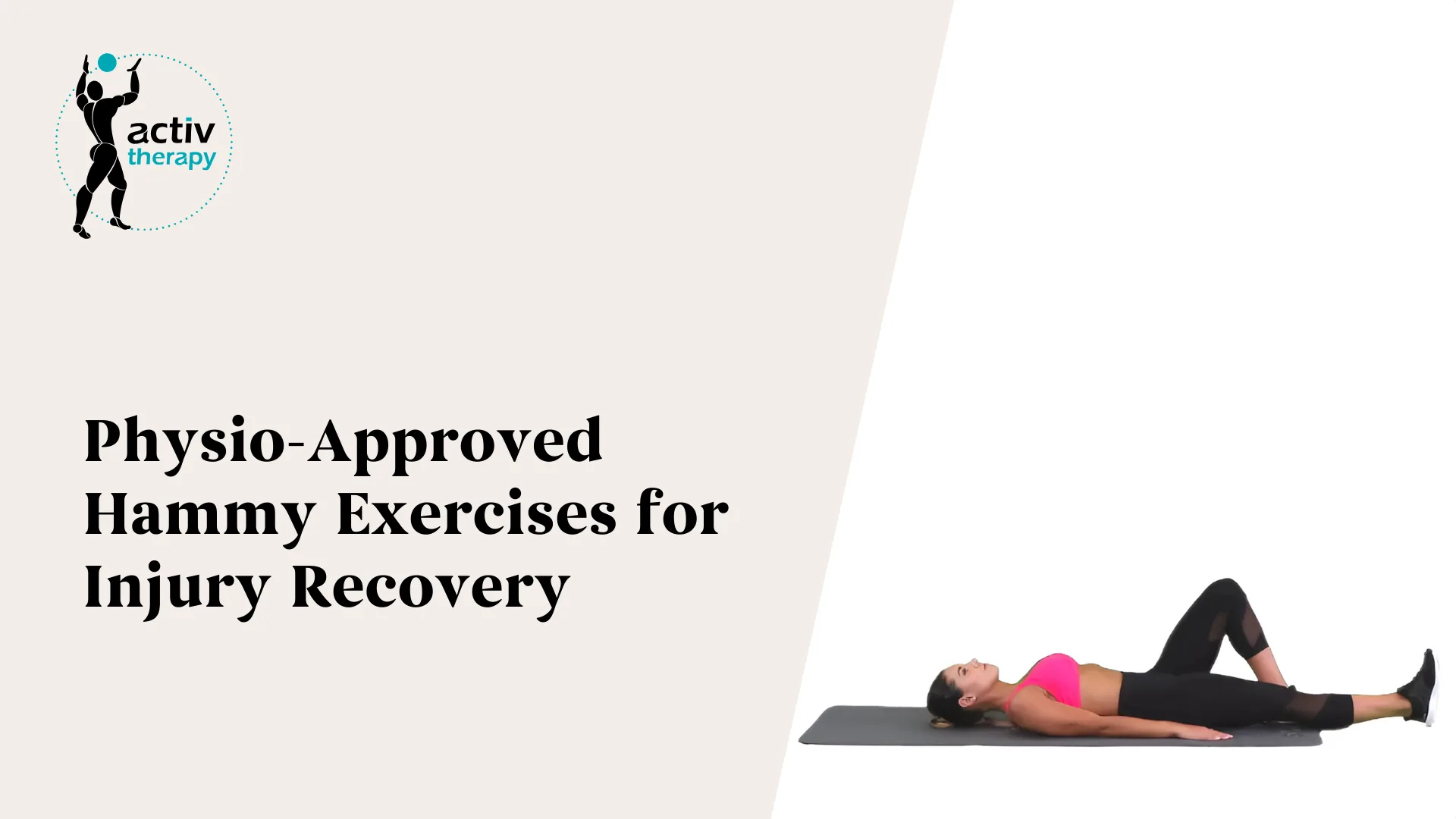
For those with more severe back injuries, performing hamstring stretches while lying supine on a mat offers additional support. Bend one knee toward your chest while keeping the other leg extended, then gradually straighten the raised leg until you feel a gentle stretch. These modified hamstring stretches should never cause pain or discomfort, and should always be performed under medical supervision during the initial recovery phase.
Daily Movement Guidelines
Establishing proper daily movement patterns marks a crucial milestone in back injury rehabilitation for blokes. Following structured guidelines for everyday activities helps prevent re-injury while promoting consistent healing. Understanding how to move safely throughout the day creates a foundation for long-term recovery and strengthens the back's supporting muscles.
Proper posture techniques should be maintained during all daily activities, particularly when sitting and standing. Keep the shoulders back, chin tucked, and spine neutral while engaging the core muscles. When sitting, use lumbar support and maintain feet flat on the floor. During standing activities, distribute weight evenly between both feet and avoid prolonged periods in one position.
Regular walking routines form an essential component of daily movement guidelines. Begin with short, 5-10 minute walks and gradually increase duration as tolerance improves. Walking helps maintain blood flow, reduces muscle stiffness, and promotes natural spinal movement patterns. Time walks during periods when pain levels are typically lower, and maintain a comfortable pace on level surfaces.
When performing necessary bending or lifting tasks, utilise the hip-hinge technique rather than bending from the waist. Keep objects close to the body and avoid twisting movements. Take frequent breaks during extended activities and alternate between sitting and standing throughout the day. If certain movements cause pain, modify the approach or seek assistance. Remember to move mindfully and listen to the body's signals, adjusting activity levels accordingly to support optimal recovery.
Progressive Resistance Training
Once foundational stability and flexibility have been established, progressive resistance training becomes essential for rebuilding strength and preventing future back injuries. This phase focuses on gradually increasing load and intensity to restore functional capacity and muscle endurance.
Begin with bodyweight exercises and resistance bands before progressing to free weights. Deadlift variations, starting with Romanian deadlifts using light dumbbells, help strengthen the entire posterior chain when performed with proper form. Keep the back neutral, hinge at the hips, and engage the core throughout the movement. Start with 2 sets of 8-10 repetitions and gradually increase weight as form remains consistent.
Resistance band rows target the upper and mid-back muscles while promoting scapular stability. Attach a band to a stable anchor point at chest height, maintain an upright posture, and pull the band towards the ribcage while squeezing the shoulder blades together. This exercise helps counteract the forward shoulder posture common in blokes with back injuries.
Controlled squats and lunges develop lower body strength while reinforcing proper movement mechanics. These compound exercises teach the body to maintain spinal alignment under load, a crucial skill for daily activities and injury prevention. Similar to proven strength training programs, focus on progressive overload principles while respecting individual recovery timelines.
Monitor recovery between sessions and adjust intensity based on response. Muscle soreness is normal, but sharp pain indicates excessive load or poor form. Work with a qualified physiotherapist to ensure proper progression and technique throughout the resistance training phase.
When to Progress or Modify Exercises
Knowing when to advance or modify exercises is critical for safe and effective back injury rehabilitation. Progressing too quickly increases re-injury risk, while moving too slowly can delay full recovery and lead to deconditioning. Understanding the key indicators helps blokes make informed decisions about their rehabilitation timeline.
Progress to more challenging exercises when current movements can be performed pain-free with perfect form for the prescribed repetitions and sets. Consistency matters—successfully completing exercises for at least three consecutive sessions without discomfort indicates readiness to advance. Additionally, if exercises feel significantly easier and require minimal concentration to maintain proper form, progression is appropriate.
Modify or regress exercises immediately if sharp pain occurs during movement, even if previous sessions were pain-free. Dull aches that persist beyond 24 hours after exercise also warrant modification. Changes in pain patterns, such as radiating sensations down the legs or increased stiffness the morning after exercise, require exercise adjustment and potentially professional consultation.
Other signs requiring modification include inability to maintain proper form throughout the entire set, excessive muscle trembling, or compensatory movements using other muscle groups. These indicators suggest the current exercise exceeds current capacity and should be scaled back to a more manageable variation.
Track progress using a simple journal noting pain levels, form quality, and exercise difficulty. This record helps identify patterns and provides valuable information for healthcare providers. Remember that recovery is rarely linear—some fluctuation in capabilities is normal and doesn't necessarily indicate setback. When uncertain about progression decisions, consulting with a physiotherapist ensures safe advancement through the rehabilitation program, similar to the structured approach used in joint pain relief protocols.
Ready to Get Help?
Book an appointment with one of our experienced Physiotherapy professionals across South West Sydney.
Book an AppointmentMedical Disclaimer
This article is intended for general informational and educational purposes only. It does not constitute medical advice and is not a substitute for professional diagnosis, treatment, or advice from a qualified healthcare provider. Always consult a registered physiotherapist, chiropractor, or other appropriate healthcare professional before starting any new treatment or exercise programme.